Newsletter Subscribe
Enter your email address below and subscribe to our newsletter

Enter your email address below and subscribe to our newsletter

Digital media can genuinely empower women. Discover evidence-based strategies for self-expression, body positivity, and social impact in 2026.
Digital media gets a bad reputation when it comes to women’s mental health, and honestly, some of that criticism is fair. But the full picture is far more nuanced. Active engagement and content creation on digital platforms are directly linked to empowerment for women, not just self-doubt. This guide breaks down the real evidence behind digital media’s power to fuel self-expression, build communities, and drive social change, while also being honest about the risks you need to watch out for.
| Point | Details |
|---|---|
| Active participation matters | Engaging in content creation and advocacy is more empowering than passive scrolling alone. |
| Digital literacy empowers | Boosting your digital skills increases online confidence and personal influence. |
| Body-positive content helps | Following empowering content raises self-esteem and improves mood in the short term. |
| Risks require safeguards | Setting boundaries and curating feeds are key to protecting wellbeing online. |
| Systemic challenges exist | The digital divide and algorithmic bias limit some voices, but advocacy and action can foster change. |
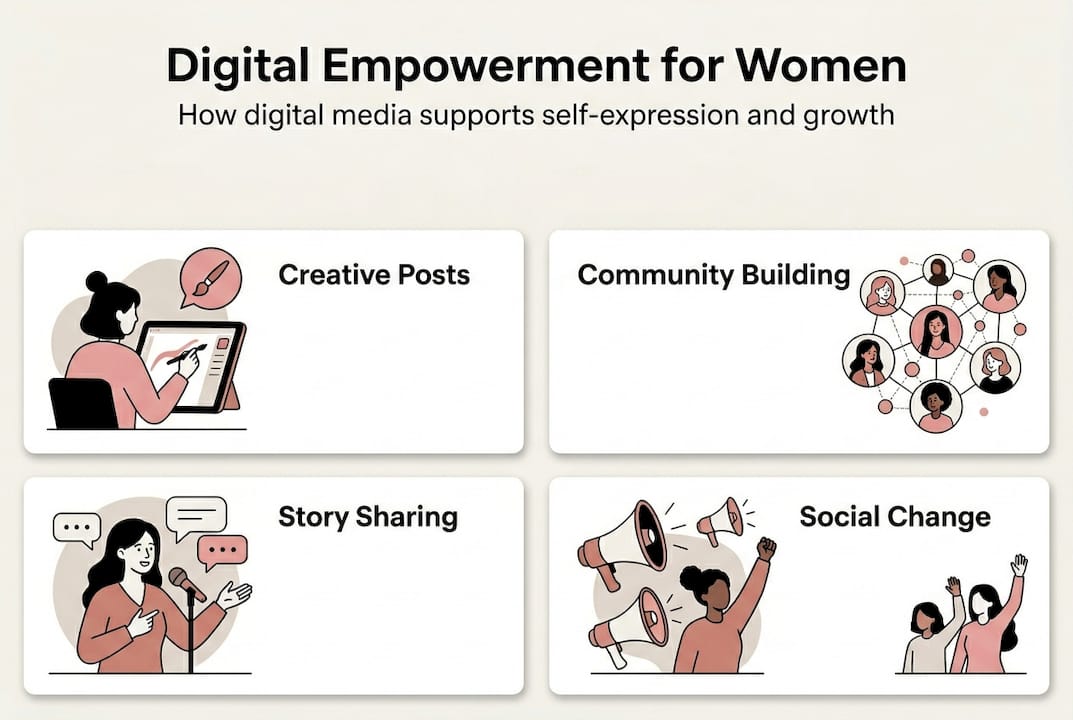
Empowerment in a digital context means having the tools, voice, and platform to express yourself, connect with others, and influence the world around you. For women, that can look like a lot of different things. A mental health blogger sharing her anxiety journey. A TikTok creator challenging beauty standards. A Twitter activist organizing a community around reproductive rights. All of these are forms of digital self-expression that carry real social weight.
The key distinction is between active and passive digital behavior. Active engagement means you are creating, contributing, and connecting. Passive engagement means you are mostly consuming, scrolling, and observing without participating. Active engagement and content creation correlate with higher empowerment among young women, while passive scrolling tends to do the opposite.
Here are some of the most impactful ways women use digital media for self-expression:
“The internet gave me a platform I never would have had otherwise. I went from feeling invisible to building a community of 40,000 women who get it.” — A mental health content creator
Digital media also challenges stereotypes by giving women direct control over their own narratives. Instead of waiting for mainstream media to represent them, women can create that representation themselves. That shift is exactly why understanding the role of women in media matters so much right now.
Not all screen time is created equal. The way you engage with digital media shapes whether it lifts you up or drags you down. Research confirms that targeted digital media use for public concerns substantially increases political and social participation among women.
Here is a clear breakdown of how active and passive use compare:
| Factor | Active use | Passive use |
|---|---|---|
| Examples | Posting, campaigning, creating content | Scrolling, liking, silent following |
| Empowerment impact | High | Low to negative |
| Mental health outcome | Generally positive | Often linked to comparison and anxiety |
| Social participation | Increases significantly | Minimal change |
| Risk level | Moderate (exposure, trolling) | High (passive comparison) |
Algorithms play a huge role in this equation. Platforms like Instagram and TikTok are designed to reward engagement, which means active creators often get more visibility. But algorithms can also suppress certain voices, particularly those from marginalized communities or feminist perspectives. That is a systemic issue worth knowing about.
Look at the women activists making change who have used targeted digital campaigns to shift public policy. Their success came from intentional, active participation, not passive consumption.
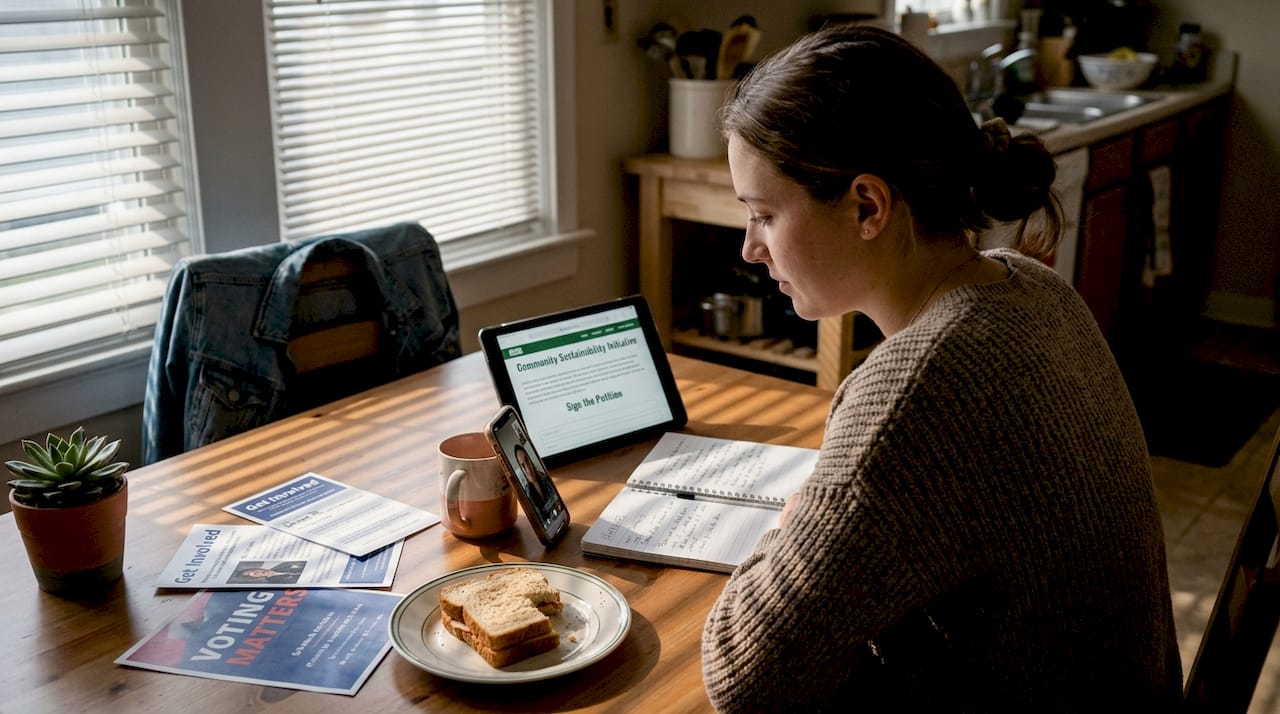
Pro Tip: Audit your social media use once a week. Ask yourself: am I creating and connecting, or am I mostly scrolling and comparing? Even small shifts toward active engagement can change how digital media makes you feel.
One of the most exciting areas of research right now is how body-positive content affects women’s mental health in real time. Body-positive content improves mood and body satisfaction for young women in the short term, which is a genuinely encouraging finding. It means your feed choices actually matter.
Here is a snapshot of what the data shows:
| Content type | Body satisfaction score (before) | Body satisfaction score (after) |
|---|---|---|
| Body-positive imagery | 5.8/10 | 7.4/10 |
| Idealized/filtered imagery | 6.2/10 | 4.9/10 |
| Neutral/non-appearance content | 6.0/10 | 6.1/10 |
The numbers speak clearly. Curating your feed toward body-positive content is not just a feel-good suggestion. It has measurable effects on how you see yourself.
Digital literacy is the other major factor here. Digital literacy directly boosts women’s participation and self-efficacy online. When you understand how platforms work, how to spot misinformation, and how to protect your privacy, you engage with far more confidence.
Simple ways to build your digital literacy:
For a deeper look at building a healthier relationship with your body and self-image online, the body positivity guide on WomanEdit is a great starting point. And if you are navigating anxiety or stress from online spaces, these mental health tips are built specifically for women in your age group.
Pro Tip: Unfollow or mute any account that consistently makes you feel worse about yourself. You do not owe anyone your attention, and your mental health is worth protecting.
Here is the part nobody likes to talk about, but it is essential. Digital media carries real risks for young women, and ignoring them does not make them go away. Over 50% of young women report negative body image impacts from social media, particularly when daily use exceeds four hours.
The most common risks include:
56% of young women report that social media negatively affects how they see their own bodies. That number is too high to ignore.
High daily usage is one of the clearest risk factors. Spending more than four hours a day on social media is consistently linked to lower self-esteem, increased anxiety, and distorted body image. The relationship between female friendships and mental health offers a useful contrast here. Real, supportive connections, whether online or offline, tend to protect against these negative effects.
Practical steps to protect your mental health and digital space:
Not every woman has equal access to the empowerment opportunities digital media offers. The gender digital divide persists in low-internet-access regions and states, meaning millions of women are structurally excluded from these conversations before they even begin.
Algorithmic bias compounds this problem. Platforms often amplify content that already has traction, which means voices from underrepresented communities, including women of color, disabled women, and LGBTQ+ women, face higher barriers to visibility. This is not accidental. It is a design outcome that requires both individual action and systemic advocacy.
Strategies to amplify underrepresented voices:
Collective action matters here. When communities rally around a creator who has been shadowbanned or suppressed, they can override algorithmic bias through sheer volume of engagement. The women empowerment action guide on WomanEdit outlines practical ways to turn awareness into real advocacy.
Putting all of this together, here is a practical roadmap you can actually use. Digital literacy, body-positive content, and critical awareness are the three pillars of empowered digital engagement for women. Everything else builds from there.
Five steps for positive, empowered digital engagement:
If you are working through deeper emotional patterns around self-worth and identity, therapy for empowerment can be a powerful complement to your digital practices. And for building sustainable daily habits, the self-care guide for women offers a grounded, realistic framework.
Pro Tip: Try a weekly “digital reflection” practice. Spend five minutes every Sunday reviewing how your online activity made you feel. Adjust your habits based on what you notice. Small, consistent changes add up fast.
You now have the evidence, the framework, and the tools to use digital media as a genuine force for good in your life. The next step is putting it into practice, and you do not have to figure it out alone.
WomanEdit is built by women, for women, and our content is designed to meet you exactly where you are. Whether you are just starting to think about empowerment or you are ready to go deeper, the empowerment guide for modern lifestyle is a strong place to begin. If you want to understand the bigger picture, why women empowerment matters breaks it down with clarity and purpose. And when you are ready to move from inspiration to action, the women empowerment workflow gives you a step-by-step path forward. Your journey is yours to define.
Active contribution online, like content creation and community building, increases women’s sense of agency, visibility, and social connection. It gives women direct control over their own narratives without relying on traditional media gatekeepers.
Sharing personal stories, joining online campaigns, and creating content around mental health or social change all count as active use. Digital engagement increases social participation and builds real confidence over time.
Yes. Prolonged social media use over four hours daily is consistently linked to lower self-esteem and increased body image concerns among young women.
The gender digital divide means not all women have equal internet access, which limits empowerment opportunities, especially in underserved regions. Closing this gap requires both policy change and community advocacy.
Curating your feed, building digital literacy skills, and setting healthy time limits are the most effective strategies. Consistent small habits protect your mental health far better than occasional digital detoxes alone.