Newsletter Subscribe
Enter your email address below and subscribe to our newsletter

Enter your email address below and subscribe to our newsletter


Role of online communities for women explored: support networks, empowerment, safety, mental health, and fashion trends for millennial and Gen Z women.
Scrolling through your favorite forum or group chat, you might notice how easy it is to find real support and friendship without ever sharing a zip code. For Millennial and Gen Z women from New York to Nairobi, online spaces are more than just forums—they are lifelines for honest conversation, growth, and solidarity. In these digital communities defined by purpose and connection, you will discover why women everywhere are turning to the internet to find validation, share advice, and stand stronger together.
| Point | Details |
|---|---|
| Online Communities Are Diverse | Female-focused online communities vary from support networks to activist movements, each serving distinct needs. |
| Empowerment Through Digital Platforms | Online platforms facilitate women’s economic independence and provide access to education, enabling personal and professional growth. |
| Safety Is Vital | Genuine safety in online communities requires active moderation and clear guidelines to foster a supportive environment. |
| Be Aware of Risks | Women should recognize potential digital threats, such as cyberbullying and identity theft, and adopt protective measures to safeguard their online presence. |
Online communities for women are digital spaces where individuals connect, support each other, and engage around shared interests or goals. Unlike traditional groups bound by geography, these communities exist entirely online, removing physical barriers and creating accessible networks for women worldwide. The foundation of these spaces is connection—whether for professional growth, emotional support, or collective action.
At their core, online communities consist of groups of people using Internet technologies to communicate and interact. For women specifically, these spaces are defined less by location and more by their purpose and the relationships they foster. A woman in Tokyo can share motherhood experiences with someone in Toronto. A feminist activist in Brazil can collaborate with advocates in Berlin.
These communities take many forms:
Online female mutual support communities serve as digital spaces where women seek guidance, share experiences, and engage in meaningful discourse. These platforms harness digital communication to create environments where vulnerability becomes strength and shared struggles transform into collective empowerment.
What makes these communities distinct from generic online forums is their intentional focus on women’s experiences and voices. They create safety nets for topics women might hesitate to discuss elsewhere—whether that’s navigating workplace discrimination, managing mental health, or processing life transitions. The anonymity or pseudonymity many platforms offer also allows women to speak freely without fear of judgment.
The scale is remarkable. Millions of women globally participate in these communities daily, finding everything from practical advice to emotional validation to lifelong friendships. They’re not passive spaces either; women actively moderate, contribute, and shape the culture of their communities.
These spaces remove geographical barriers and create networks where women’s voices matter equally, regardless of location or background.
Understanding what online communities for women truly are—beyond just websites or forums—means recognizing them as living ecosystems built on trust, shared experience, and mutual support. They’re places where women feel seen, heard, and empowered to show up authentically.
Pro tip: When searching for the right online community, prioritize spaces with active moderation, clear community guidelines, and members who reflect your values or interests. The best community matches your needs, not just your demographics.
Female-focused digital networks come in many flavors, each serving different needs and purposes. Some are intimate spaces for personal support, while others mobilize thousands around social change. Understanding the variety helps you find communities that actually match what you’re looking for.
The landscape includes several distinct types:
Networked feminism involves digital feminist activism that utilizes online spaces to organize women around shared causes. These networks range from small, localized support groups to massive transnational coalitions connecting activists across continents. The power comes from scale—what starts in one country can ripple globally within hours.
Professional networks deserve special attention. Women use these spaces to find mentors, discuss salary negotiation, share job leads, and build their professional brands. Unlike general networking sites, these communities understand the specific barriers women face in their industries.
Feminist activism through digital networks manifests through online communities, digital campaigns, and social platforms designed to advance feminist politics. These spaces facilitate empowerment by giving women tools to organize, educate each other, and create cultural shifts. They’re not just talk—they drive real change.
Social media-based communities operate differently than forums or closed groups. They’re public-facing, often driven by hashtags and viral moments. Women use platforms like Instagram, TikTok, and Twitter to share experiences, call out injustice, and celebrate wins together. The visibility can be powerful, though it comes with tradeoffs around privacy.
Different network types serve different needs—a support group for new mothers operates very differently than an activist coalition, but both are essential.
Hobby and creative communities might seem less serious than activist spaces, but they’re equally vital. Women discussing fashion trends, sharing writing, or exchanging wellness tips are building confidence, exploring identity, and finding their voices. These spaces normalize women’s interests and create belonging around what matters to you.
Choosing the right type means being honest about what you need right now. Are you seeking practical support? Professional growth? A place to advocate for change? Community connection around shared interests? Each network type delivers different value.
Here’s a summary of key differences between major types of female-focused online networks:
| Network Type | Primary Purpose | Typical Tools Used | Ideal For |
|---|---|---|---|
| Support & Wellness | Emotional guidance | Forums, apps, chat | Women facing challenges |
| Professional | Career growth | LinkedIn, Slack, Zoom | Ambitious professionals |
| Activist Collectives | Social change | Social media, blogs | Advocacy-driven members |
| Creative/Hobby | Expressing identity | Instagram, Discord | Those seeking community |
Pro tip: Spend time observing a community before fully joining—read past discussions, check the tone of interactions, and see if the membership vibe aligns with your expectations and comfort level.
Online platforms have become powerful tools for women to gain independence, build economic security, and amplify their voices. These aren’t just social networks—they’re launchpads for careers, education, advocacy, and personal transformation.
The empowerment happens in concrete ways:
Innovative information and communication technologies empower women by providing tools for communication, self-expression, and economic participation. Women entrepreneurs particularly benefit from digital platforms that increase autonomy and independence. An independent consultant can build a global client base from her home. A woman in a developing country can sell handmade goods worldwide. The barrier to entry has collapsed.
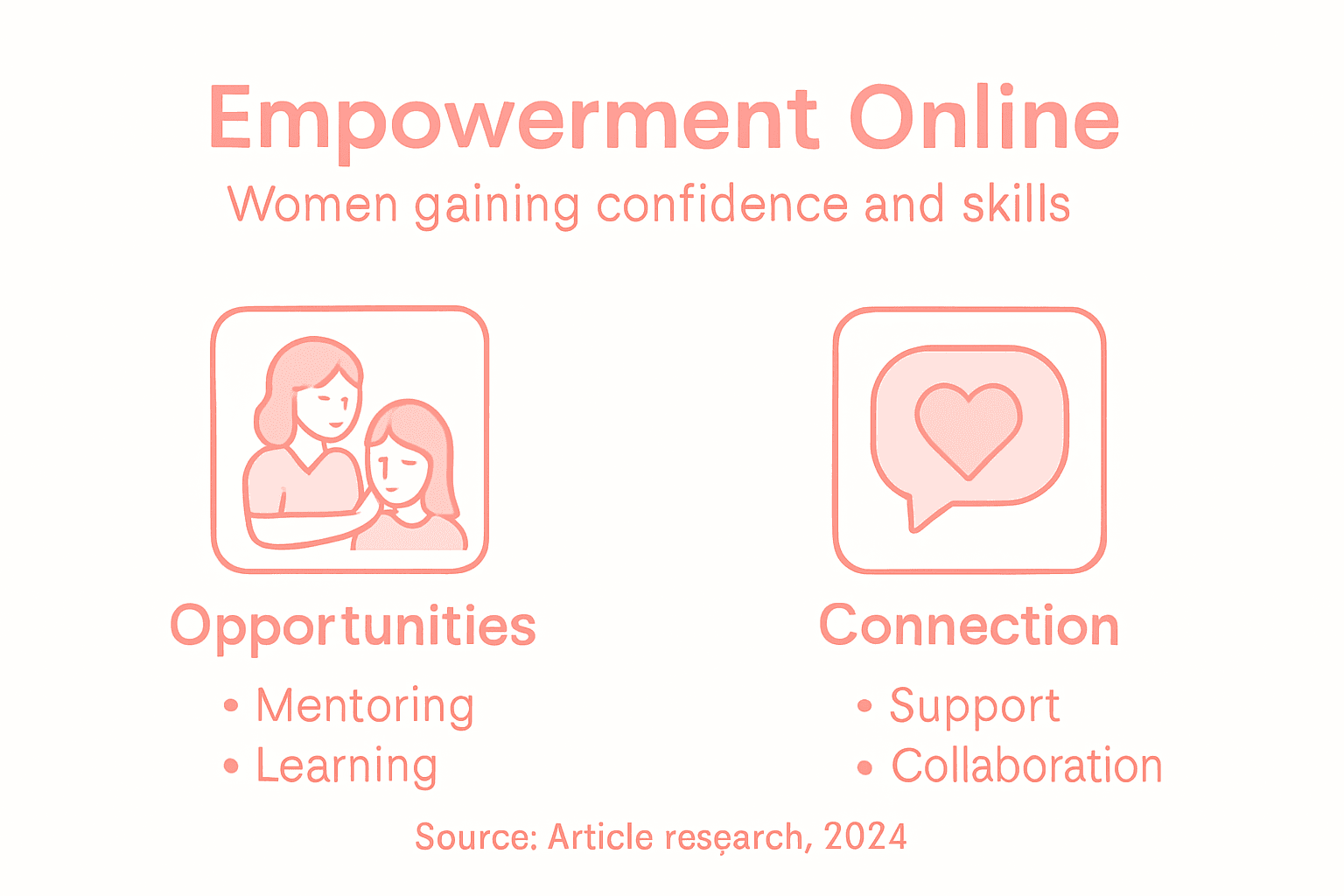
Online platforms also democratize education and health information. Women access reproductive health resources, mental health support, and professional development courses without judgment or geographical limits. A teenager in a rural area can learn coding. A mother can research parenting strategies at 3 a.m. without embarrassment.
Social media and digital platforms have contributed significantly to women’s empowerment by enabling women to reclaim social prominence and create financial opportunities. Women entrepreneurs use these spaces to build brands, connect with customers, and establish authority in their fields. The traditional path to business success—finding investors, getting media coverage, proving yourself to gatekeepers—no longer applies.
These platforms also facilitate what researchers call “digital feminism.” Women share personal stories, discuss systemic barriers, and organize collective action. A woman’s experience with workplace harassment becomes data. Her story becomes validation for others. Her voice becomes part of a movement.
Online platforms remove traditional barriers to success, giving women direct access to audiences, customers, and communities without needing permission or approval from traditional institutions.
However, empowerment through these platforms isn’t automatic. It requires strategy—knowing which platforms serve your goals, understanding how algorithms work, and building genuine community rather than just accumulating followers.
Women are using platforms to monetize their expertise, build professional networks, advocate for policy changes, and create cultural shifts. The power lies not just in the technology itself, but in how women organize and leverage these tools intentionally.
Pro tip: When building your presence on a platform, focus on providing genuine value to your audience first—whether that’s education, entertainment, or community—rather than immediately trying to sell or influence.
The most transformative online communities share one thing: they feel genuinely safe. Not corporate-safe with corporate-friendly language, but actually safe—where you can be honest, vulnerable, and imperfect without fear of judgment or harassment.
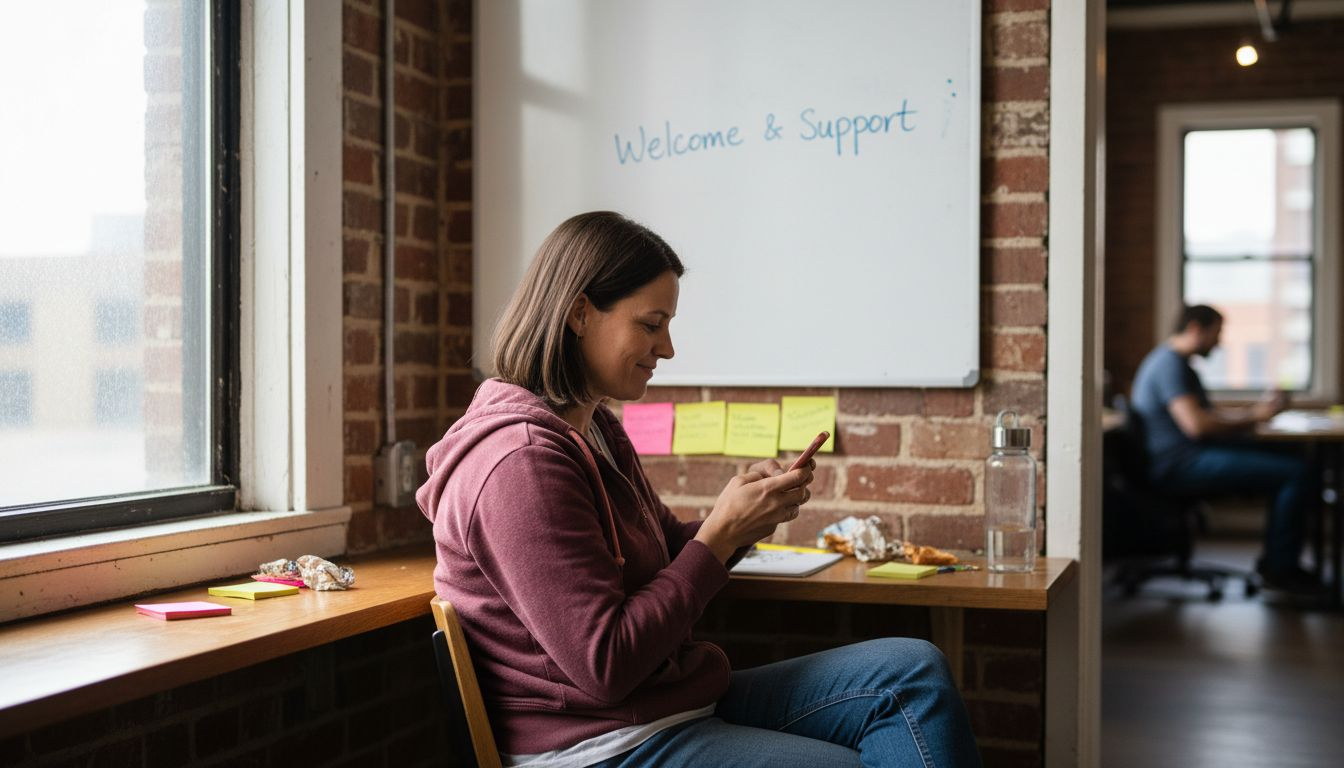
Creating these spaces requires intentional design. Women-only digital safe spaces, often created through moderated online groups, provide environments where women can share experiences and support without fear of harassment. Moderation is the backbone—vigilant moderators enforcing clear community guidelines keep out trolls, predators, and bad-faith actors. It’s unglamorous work, but it’s what makes real connection possible.
Effective safe spaces typically include:
Mentoring within these spaces transforms women’s trajectories. An experienced woman guides someone earlier in her journey—sharing lessons learned, offering encouragement, introducing connections. The impact compounds over time. One mentor helps five women. Those five women eventually mentor others. The ripple effect extends far beyond the original relationship.
Secure, women-only environments facilitate empowerment, health education, and reduce risks while delivering mentoring, vocational training, and social support. Whether digital or physical, these spaces create conditions for genuine development. A young woman gains confidence. A professional woman finds her first client through a mentor’s introduction. A new mother discovers she’s not alone in her struggles.
Support systems within communities operate at multiple levels. Peer support—women helping women at similar life stages—creates validation and practical advice. Expert support—therapists, coaches, or specialists—provides deeper guidance. Group support—shared experiences around common challenges—builds collective strength.
Safe spaces require constant maintenance, but they’re worth it because they enable women to show up fully, take risks, and support each other through real transformation.
The psychological benefit is measurable. Women in safe communities report lower anxiety, increased confidence, and stronger sense of belonging. They’re more likely to take career risks, speak up about problems, and support other women because they’ve experienced being supported themselves.
Building trust takes time. Months of consistent, healthy interactions before women truly let their guard down. But once established, these communities become irreplaceable. They’re where women celebrate wins that nobody else would understand, process losses with genuine empathy, and plan their next moves with genuine support.
Pro tip: When joining a community space, observe the moderation style and member interactions for a week before fully participating—this reveals whether the space truly prioritizes safety or just claims to.
Online communities offer real benefits, but they’re not risk-free zones. Women face specific threats in digital spaces that men often don’t encounter. Being aware of these risks isn’t paranoia—it’s smart participation.
The threats are real and varied:
Women face significant risks in digital spaces including cyberbullying, online harassment, and identity theft, which significantly affect mental health and participation. The psychological impact is measurable—harassment leads to anxiety, depression, and women withdrawing from communities that should support them.
Understanding platform design helps too. Online violence against women and girls is pervasive and underreported, with design features of platforms often enabling harassment and abuse. Algorithms that amplify engagement can amplify attacks. Comment sections without moderation become cesspools. Direct messaging with no reporting tools leaves women vulnerable.
Protective strategies matter:
Trust your instincts about communities. If moderation feels lax, if harassment is tolerated, if your concerns are dismissed—leave. Better communities exist. Your peace of mind matters more than loyalty to a toxic space.
Safety-by-design approaches matter, but so does your personal boundary-setting. You can’t control platform policies, but you can control your participation and how you protect yourself.
Community choice is power. Seek communities with strong moderation, transparent reporting processes, and active enforcement. Ask moderators directly how they handle harassment. Check reviews or community feedback. Don’t join spaces that feel sketchy from the start.
To help you stay safe, here are common risks and optimal protection strategies in women’s online communities:
| Risk | Real-World Impact | Best Protection |
|---|---|---|
| Cyberbullying | Increased stress | Block/report early |
| Identity Theft | Financial, reputation loss | Strong passwords, verify sources |
| Data Privacy Breach | Unwanted exposure | Restrict info sharing |
| Doxxing | Personal security threat | Stay anonymous, document incidents |
Remember: asking for safety isn’t being difficult. Protecting your data isn’t paranoid. Leaving a toxic space isn’t failure. These are reasonable acts of self-care in online spaces.
Pro tip: Before joining a new community, check if they have published community guidelines, an active moderation team, and clear processes for reporting abuse—these indicators reveal how seriously they take member safety.
The article highlights how meaningful online communities provide women with safe spaces, mentorship, and real empowerment. If you are looking to deepen your connection to inspiring stories and practical advice on wellness, mental health, and personal growth, WomanEdit offers a vibrant lifestyle platform created by female founders just for you. From thoughtful discussions on mental health challenges to the latest in fashion and celebrity culture, our content captures the heart of what modern women seek for both entertainment and empowerment.
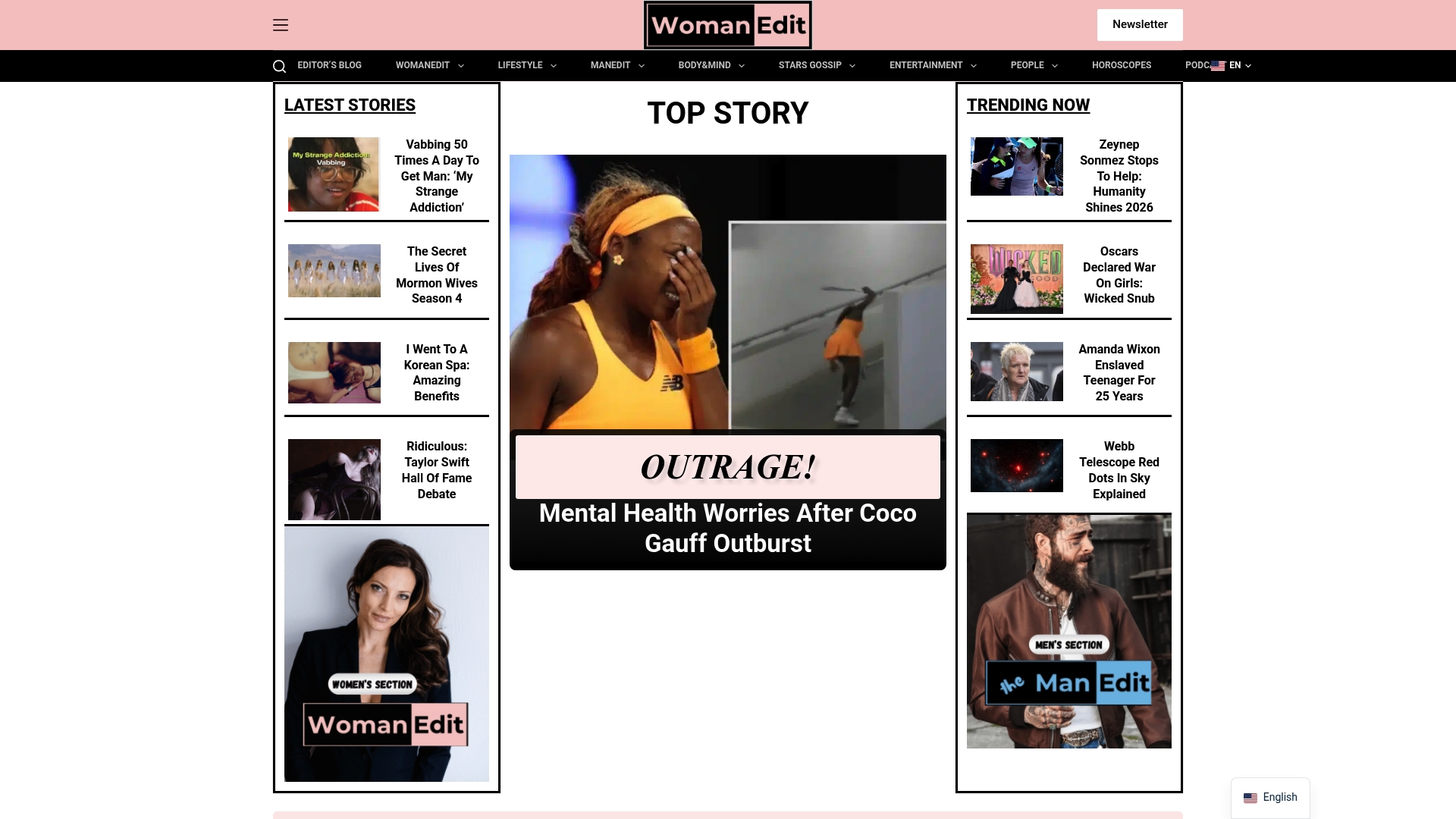
Join thousands of women who turn to WomanEdit for engaging articles and exclusive insights that reflect your experiences and ambitions. Explore wellness tips, relationship advice, and trend reports designed to enrich your everyday life. Take the next step toward feeling truly connected and inspired by visiting WomanEdit Lifestyle now and experience a community centered on your empowerment and well-being.
Online communities for women are digital spaces where women connect, share experiences, and support each other around common interests or goals, fostering empowerment and growth.
Online communities empower women by providing opportunities for economic independence, education access, self-expression, and collective action on issues that matter to them. They create an environment where women can find mentorship and support.
Types of online communities for women include support networks for wellness and mental health, professional groups for career development, activist movements for social change, and creative communities centered on hobbies and interests.
To stay safe in online communities, use privacy settings, limit personal information sharing, document any harassment, and immediately block and report abusive users. It’s also crucial to choose communities with active moderation and clear guidelines.
Source: Editorial Use | Image: Editorial Use