Newsletter Subscribe
Enter your email address below and subscribe to our newsletter


Explore the role of women in media, current trends, leadership gaps, cultural impact, and empowerment challenges. Discover opportunities for change globally.
Spotting your favorite celebrities in bold magazine spreads or viral social media videos, it is clear that media shapes what we see and believe about women’s roles every day. For women passionate about fashion and cultural trends, these representations have a lasting impact on self-image and opportunity. By examining media representation, you will discover how authentic storytelling can challenge stereotypes, celebrate diversity, and inspire real empowerment across global platforms.
| Point | Details |
|---|---|
| Underrepresentation of Women | Women are significantly underrepresented in media production, impacting societal gender perceptions and dynamics. |
| Importance of Diverse Representation | Authentic portrayals of women challenge stereotypes and provide nuanced perspectives, promoting inclusivity in storytelling. |
| Challenges in Media Leadership | Systemic barriers, including discrimination and limited opportunities, hinder women’s advancement in media leadership roles. |
| Empowerment through Digital Media | Digital platforms allow women to share their narratives and build supportive communities, essential for empowerment and advocacy. |
Media serves as a powerful platform for shaping cultural narratives, and women’s representation within this landscape has profound implications for societal perceptions and gender dynamics. Global media research reveals that women remain significantly underrepresented in media production and content creation, highlighting the ongoing challenge of achieving genuine gender equality in communication channels.
The role of women in media extends far beyond mere representation. It encompasses critical dimensions of narrative construction, perspective sharing, and challenging existing stereotypes. Media representation plays a transformative role in how society understands gender norms, professional capabilities, and social potential. When women are authentically portrayed, they can:
Critical gender studies research emphasizes that media is not just a reflection of societal norms but an active agent in constructing and reinforcing them. Women’s participation in media production becomes crucial in disrupting longstanding narrative patterns that have historically marginalized female experiences and perspectives.
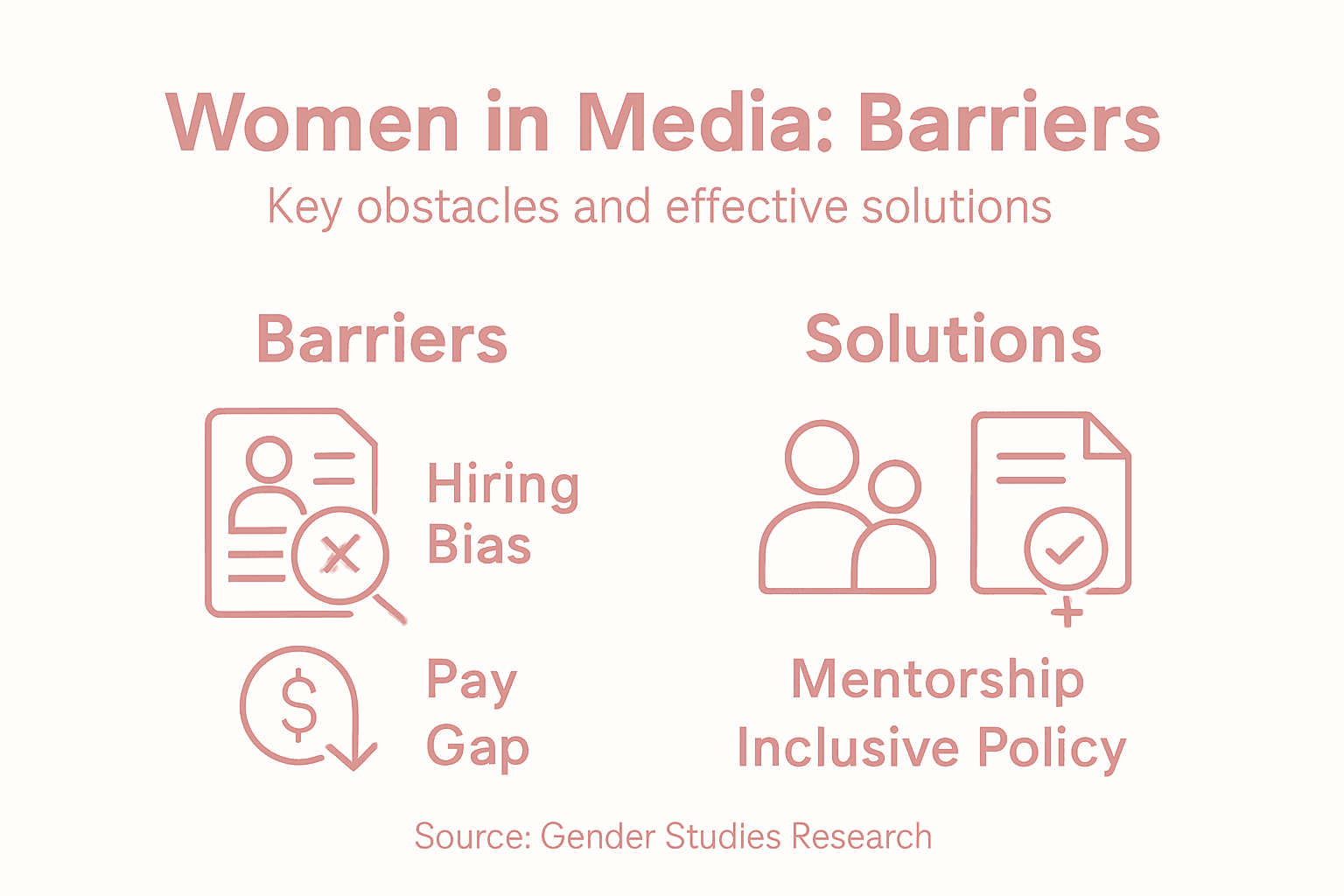
Systemic barriers continue to limit women’s full participation in media industries. These include unequal hiring practices, gender-based discrimination, limited leadership opportunities, and persistent stereotypical portrayals. Addressing these challenges requires comprehensive strategies that promote diversity, provide mentorship, and create inclusive professional environments.
Pro tip: Actively seek out and support media platforms and content creators who prioritize authentic, multidimensional representations of women across various professional and personal contexts.
Media representation is a complex landscape where women are portrayed through various lenses, each carrying significant cultural implications. Media studies reveal that representations typically fall into distinct categories that profoundly shape societal perceptions of women’s roles, capabilities, and value.
The primary types of representation in media can be categorized as follows:
Research documenting media trends indicates that while stereotypical portrayals persist, there is a gradual shift towards more nuanced and empowering representations. Harmful stereotypes continue to dominate many media platforms, often reducing women to narrow, one-dimensional characters that reinforce restrictive social expectations.
Moreover, contemporary media is increasingly challenging traditional representation models by introducing more complex, authentic narratives that showcase women’s diverse experiences, professional capabilities, and individual strengths. This evolution represents a critical step towards dismantling long-standing gender biases and creating more inclusive storytelling environments.
Here’s a comparison of stereotypical, progressive, and intersectional representations of women in media:
| Representation Type | Core Features | Impact on Perceptions |
|---|---|---|
| Stereotypical | One-dimensional, reinforces tradition | Limits women’s perceived roles |
| Progressive | Multi-faceted, career-focused | Broadens role models |
| Intersectional | Diverse backgrounds and identities | Highlights unique experiences |
Pro tip: Develop media literacy skills by critically analyzing representations, questioning stereotypical portrayals, and supporting content that presents multifaceted women’s experiences.
Digital platforms have revolutionized how women create, consume, and transform media narratives. Women leverage mass media as powerful tools for challenging traditional gender norms and advocating for social change, fundamentally reshaping cultural discourse.
Women’s influence on content and culture manifests through multiple dynamic channels:
Feminist media scholarship demonstrates how women have transitioned from passive subjects to active creators, systematically dismantling restrictive narratives. Digital agency enables women to construct nuanced representations that reflect complex identities and experiences beyond traditional media limitations.
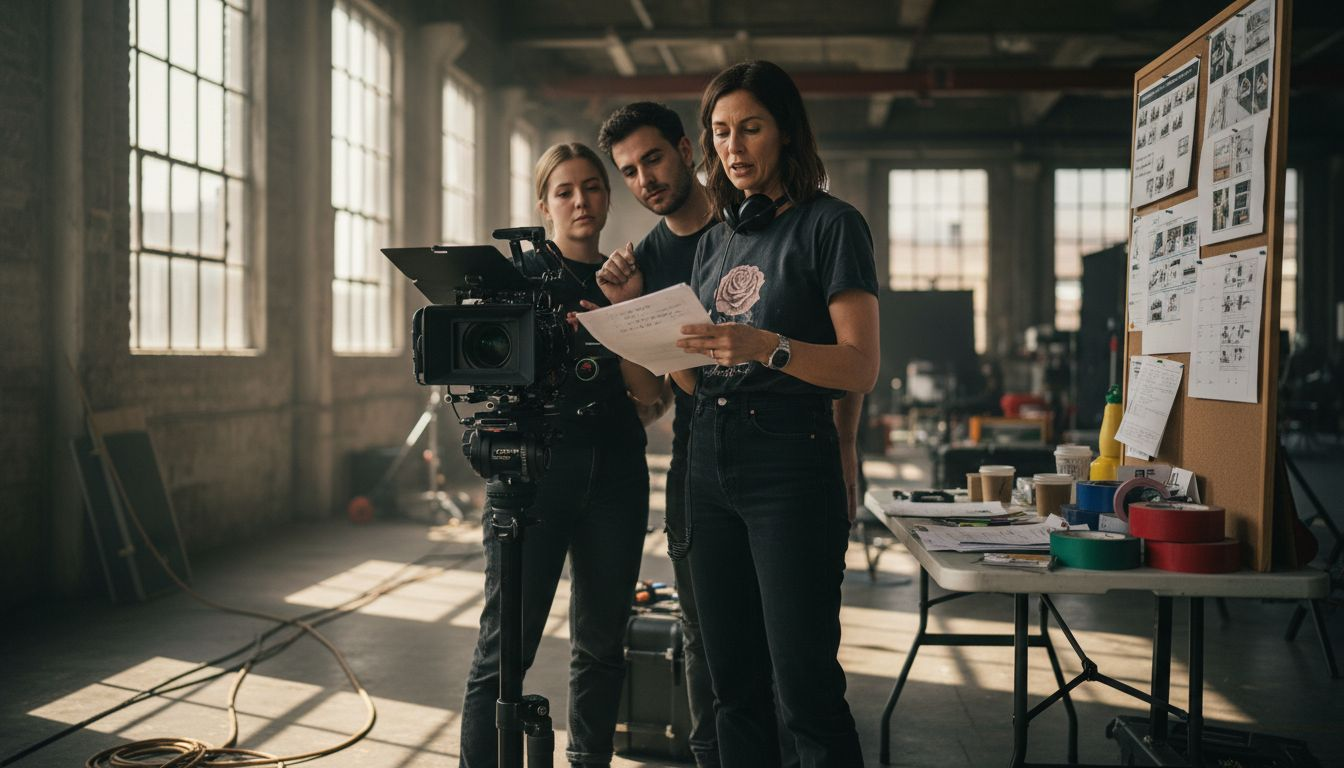
The emergence of digital platforms has democratized content creation, allowing women to bypass traditional gatekeeping mechanisms. By producing independent content, women are rewriting cultural narratives, challenging institutional biases, and creating spaces for genuine, multifaceted storytelling that reflects the true diversity of female experiences.
Pro tip: Actively support and amplify women-created content across digital platforms to contribute to more inclusive and representative media landscapes.
Media leadership remains a challenging landscape for women, with systemic barriers persistently limiting their professional advancement. Editorial leadership research reveals that women occupy just 22% of top editorial positions globally, highlighting the profound gender disparities within media industries.
The key barriers women face in media leadership include:
Academic research on gender bias demonstrates that women experts consistently face more stringent evaluation criteria compared to their male counterparts. Credibility challenges remain a significant hurdle, with women’s expertise frequently being scrutinized more critically across various media and professional domains.
Addressing these systemic barriers requires comprehensive strategies that promote genuine inclusivity, challenge existing power structures, and create intentional pathways for women’s professional advancement. Organizations must implement targeted interventions that dismantle unconscious biases, provide equitable leadership opportunities, and foster environments that value diverse perspectives and experiences.
The following table summarizes major barriers and potential solutions for advancing women in media leadership:
| Barrier Type | Frequent Challenge | Effective Solution |
|---|---|---|
| Structural | Fewer executive opportunities | Transparent promotion practices |
| Cultural | Persistence of gender stereotypes | Bias-awareness training |
| Developmental | Limited mentorship | Structured leadership programs |
Pro tip: Develop strategic professional networks, seek mentorship from established leaders, and actively document your achievements to counteract systemic gender biases in media leadership.
Digital media has emerged as a transformative platform for women’s empowerment, creating unprecedented opportunities for global connection and advocacy. Digital platforms enable women to share stories, challenge existing narratives, and build supportive communities across geographical boundaries.
The key dimensions of women’s digital empowerment include:
Media research on women’s empowerment highlights the critical intersection between digital safety and genuine empowerment. Online safety challenges remain significant, with harassment and systemic exclusion threatening the transformative potential of digital spaces for women worldwide.
Future trends indicate a progressive shift towards more inclusive, secure digital environments that prioritize women’s agency. This evolution requires comprehensive strategies addressing technological design, community moderation, legal protections, and cultural attitudes to create genuinely supportive platforms that amplify women’s voices while ensuring their personal and professional security.
Pro tip: Develop robust digital literacy skills and cultivate supportive online networks that prioritize mutual respect, safety, and collective empowerment.
The article highlights how women face systemic barriers and stereotypical representation in media while playing a crucial role in shaping culture and empowerment. If you are passionate about challenging traditional stereotypes and discovering authentic, multi-dimensional portrayals of women, you understand the need for platforms that truly reflect diverse experiences and amplify women’s voices.
WomanEdit is a media platform created by female founders dedicated to just that. We offer engaging lifestyle content, celebrity news, fashion trends, and empowering stories that celebrate women’s strength, creativity, and leadership. Whether you want inspiration or practical advice for navigating today’s cultural landscape, our site helps you stay connected with the latest and most uplifting perspectives.
Join the community that supports genuine women’s empowerment through powerful narratives and curated media content. Explore real stories and fresh insights right now at WomanEdit.
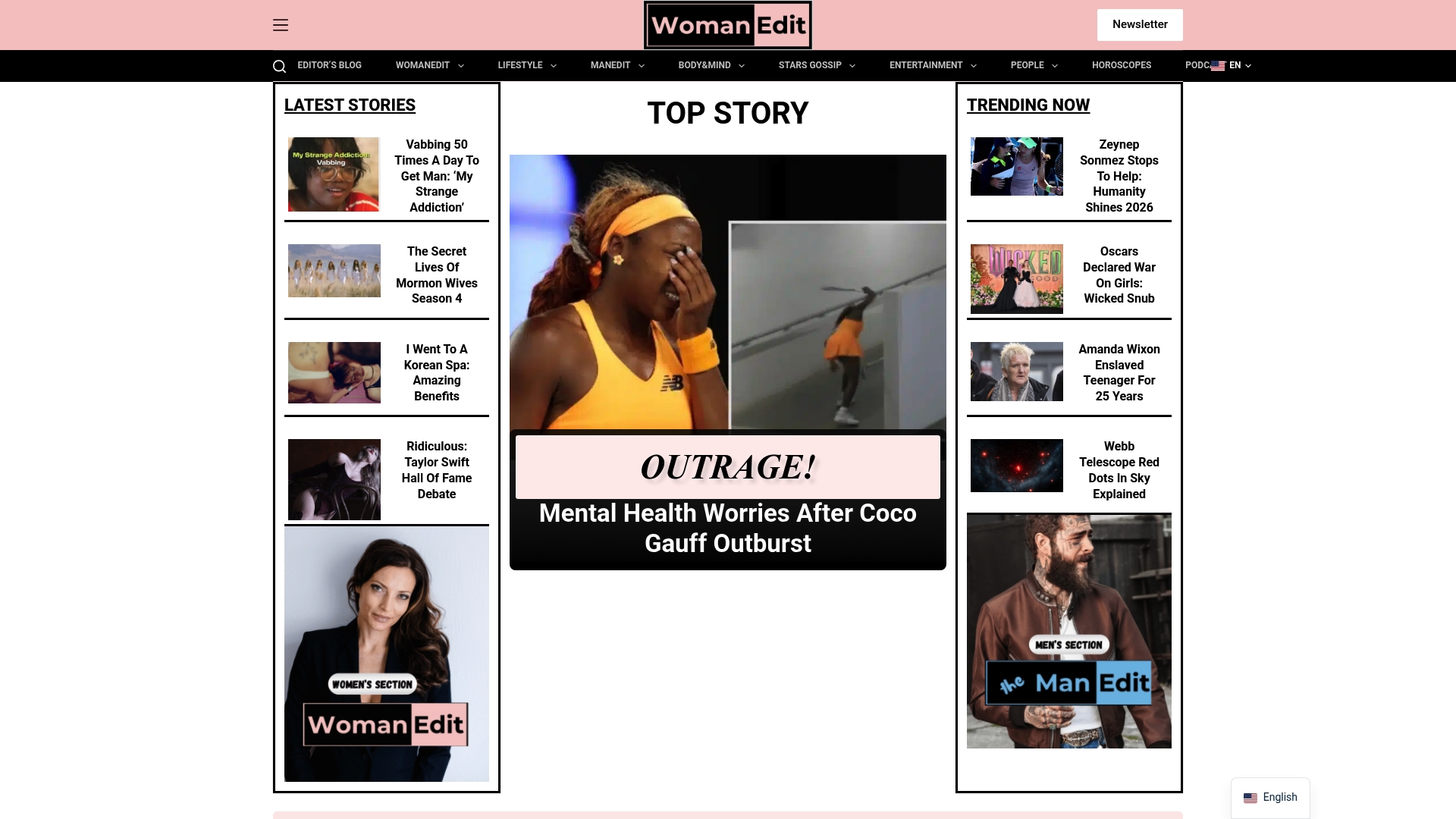
Discover how authentic media representation can transform your view on style, wellness, and personal growth. Visit WomanEdit today and become part of a movement that values women’s diverse stories and pioneering spirit.
Women’s representation in media is crucial as it influences societal perceptions of gender norms, challenges stereotypes, and promotes inclusivity. Authentic portrayals of women help reshape cultural narratives and inspire future generations.
Women encounter multiple barriers in media leadership, including structural challenges like limited executive opportunities, cultural impediments such as persistent gender stereotypes, and developmental obstacles like restricted access to mentorship and networking.
Women can influence media through digital content creation, transforming narratives by challenging stereotypes, amplifying marginalized voices, and advocating for cultural change, ultimately reshaping the discourse around gender and identity.
Digital media serves as a transformative platform for women’s empowerment by allowing them to share their stories, build supportive communities, and create opportunities for professional advancement while also addressing online safety challenges.
Article generated by BabyLoveGrowth
Source: Editorial Use | Image: Editorial Use