Newsletter Subscribe
Enter your email address below and subscribe to our newsletter

Enter your email address below and subscribe to our newsletter

Discover why fashion history matters for modern style. Learn how understanding fashion's cultural roots empowers authentic personal expression and confident wardrobe choices.
Many believe fashion history is just dusty textbooks and outdated styles that have no place in modern wardrobes. But fashion history actually reveals powerful stories about culture, identity, and social change that deeply resonate with today’s style choices. Understanding where trends come from and what they represent can transform how you approach your personal wardrobe, turning fleeting fads into meaningful expressions of who you are. This article will show you how fashion history empowers smarter style decisions and enriches your cultural appreciation.
| Point | Details |
|---|---|
| Fashion shapes identity | Fashion history reveals how clothing reflects cultural identity and drives social movements throughout time. |
| Trends cycle predictably | Fashion trends repeat roughly every 20-30 years, influenced by cultural context and technological innovation. |
| History corrects myths | Understanding fashion history dispels common misconceptions and empowers more meaningful personal style choices. |
| Framework for analysis | A three-part framework examining cultural context, innovation, and societal values helps decode fashion’s deeper meanings. |
| Empowerment through knowledge | Historical awareness enables you to create authentic style that resonates personally rather than just following fleeting trends. |
Fashion history is the study of how clothing and style have evolved over time, reflecting the societies that created them. Far from being a trivial pursuit of pretty dresses and fancy shoes, fashion history reveals vital stories about cultural exchange, power dynamics, and innovation that shaped our world. Each garment tells a story about the people who wore it, the culture that produced it, and the social forces that influenced its creation.
Think of fashion as a visual language that narrates human experience across centuries. The corset spoke to Victorian ideals of femininity and social status. The flapper dress of the 1920s shouted liberation and rebellion. The power suit of the 1980s declared women’s presence in corporate spaces. These weren’t just clothing choices but cultural statements that reflected and sometimes challenged societal norms.
Fashion history uncovers stories that extend far beyond aesthetics into the heart of how societies function and evolve. It reveals:
Many people initially dismiss fashion history as irrelevant to their daily lives. They see it as the domain of museum curators or costume designers, not something that impacts their morning wardrobe decisions. This underestimation means missing out on a rich source of cultural knowledge that can deepen your appreciation for the clothes you wear and the role fashion icons play in shaping cultural narratives.
Fashion doesn’t exist in a vacuum. It’s a mirror that reflects the values, anxieties, hopes, and transformations of the societies that create it. Every hem length, color choice, and silhouette communicates something about the world at that moment in time.
Fashion serves as a visual language of social signals connected to movements like women’s liberation, civil rights, and political reform. When women began wearing trousers in the early 20th century, they weren’t just choosing comfortable clothing. They were making a statement about gender equality and their right to move freely in public spaces. The mini skirt of the 1960s coincided with the sexual revolution and women’s increasing autonomy over their bodies and choices.
Globalization has amplified fashion’s role as a cultural connector and identity marker. Traditional garments from one culture blend with Western styles, creating hybrid fashions that honor heritage while embracing modernity. This cross-pollination enriches global fashion but also raises important questions about cultural appropriation versus appreciation that contemporary consumers must navigate thoughtfully.
Fashion acts as social signaling in both obvious and subtle ways:
Pro Tip: Next time you see a striking outfit or emerging trend, ask yourself what social or cultural message it might be communicating beyond surface style.
If you’ve noticed that your mom’s old photos look surprisingly current, you’re witnessing fashion’s cyclical nature. Trends don’t move in a straight line but spiral through roughly 20 to 30 year cycles, each time reinterpreted through a contemporary lens.
Cultural context and technological innovation are the primary engines driving these trend changes. The 1970s bohemian revival in the early 2000s wasn’t random. It reflected a similar cultural moment of questioning mainstream values and seeking authenticity. The recent return of 1990s minimalism speaks to our current desire for simplicity amid overwhelming digital noise.
To spot emerging fashion trends before they peak, follow these steps:
| Fashion Cycle | Original Era | Revival Period | Key Influences |
|---|---|---|---|
| Flapper style | 1920s | 1960s, 2000s | Liberation movements, jazz culture |
| Wide-leg trousers | 1970s | 1990s, 2020s | Comfort trends, gender fluidity |
| Power shoulders | 1980s | 2010s, present | Women in business, confidence culture |
| Minimalism | 1990s | 2010s, 2020s | Economic shifts, digital fatigue |
Understanding these cycles empowers you to invest in pieces that transcend momentary hype. When you recognize a trend as part of a larger historical pattern, you can anticipate its staying power and decide whether it aligns with your personal style rather than blindly following what’s hyped on social media this week.
Fashion history suffers from some persistent myths that prevent people from appreciating its depth and relevance. The most common misconception is that fashion history is boring, irrelevant to modern style, or only matters to academics and costume designers. This couldn’t be further from the truth.
70% of young adults initially underestimate the importance of fashion history before exposure to its cultural and social dimensions.
Another widespread myth suggests fashion only concerns aesthetics and surface-level beauty. In reality, fashion reveals profound truths about cultural identity, social hierarchies, technological progress, and movements for social change. Every fashion choice throughout history carried meaning beyond looking attractive.
Let’s correct the top myths holding people back from appreciating fashion history:
When you move past these misconceptions, fashion history becomes a tool for empowerment rather than an intimidating subject reserved for experts. It transforms from dusty textbooks into a living resource that informs how you present yourself to the world.
To make sense of fashion’s complex evolution, use this three-part framework that breaks down any fashion moment into understandable components. This analytical tool helps you look beyond surface aesthetics to understand deeper cultural currents.
The framework examines three interconnected elements: cultural context, technological innovation, and societal values. Cultural context includes the historical events, social movements, and cultural exchanges shaping what people wanted to wear. Technological innovation covers the materials, production methods, and distribution systems that determined what people could wear. Societal values reflect the beliefs, norms, and aspirations that guided what people should wear according to prevailing standards.
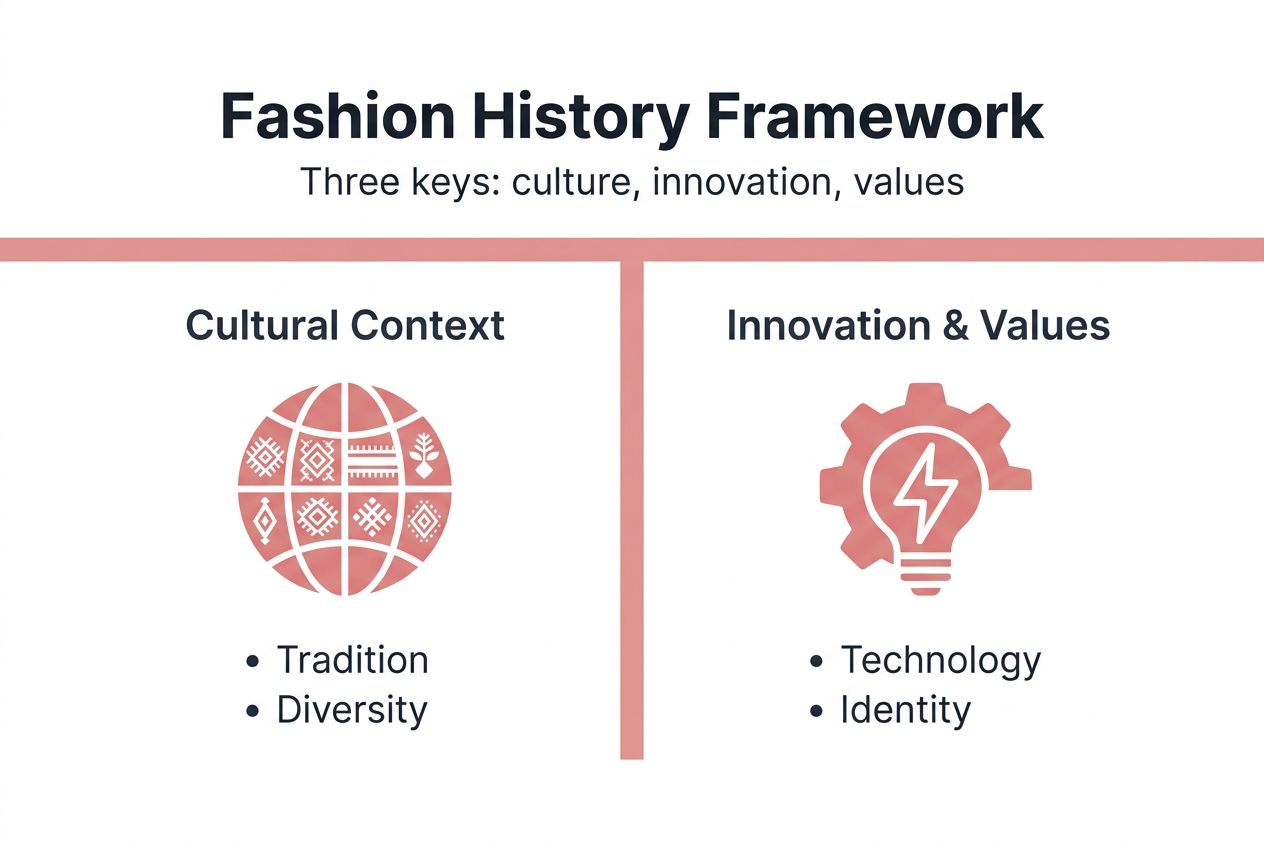
| Framework Component | What It Examines | Example Application |
|---|---|---|
| Cultural context | Historical events, social movements, cultural exchange | How World War II fabric rationing shaped 1940s silhouettes |
| Technological innovation | Materials, production methods, accessibility | How synthetic fabrics democratized fashion in the 1960s |
| Societal values | Gender norms, class structures, ethical beliefs | How feminist movements influenced workplace dress codes |
Applying this framework reveals hidden meanings in fashion trends that seem purely aesthetic on the surface. The athleisure trend isn’t just about comfort. It reflects cultural values prioritizing health and wellness, technological innovations in performance fabrics, and shifting workplace norms around formality. The rise of mindful fashion practices connects to societal values around sustainability and ethical consumption.
Pro Tip: Use this framework to evaluate new trends before adopting them. Ask yourself whether a trend aligns with your personal values and cultural identity, not just whether it looks good in photos.
For modern relevance, incorporate diversity and representation into your analysis. Fashion history traditionally centered Western European and American perspectives, but global fashion is far richer and more complex. Consider how different cultures have contributed to fashion evolution and how contemporary fashion can honor rather than appropriate these diverse influences.
Some fashion moments transcend trends to become cultural touchstones that reshape how society thinks about style, gender, and identity. These case studies demonstrate fashion’s power to influence far beyond the wardrobe.
The little black dress, popularized by Coco Chanel in the 1920s, revolutionized women’s fashion by offering elegant simplicity that transcended class boundaries. Before this, black was primarily associated with mourning or servants’ uniforms. Chanel transformed it into a symbol of sophisticated versatility that remains a wardrobe staple a century later. This single garment represented women’s growing independence and rejection of restrictive Victorian fashion codes.
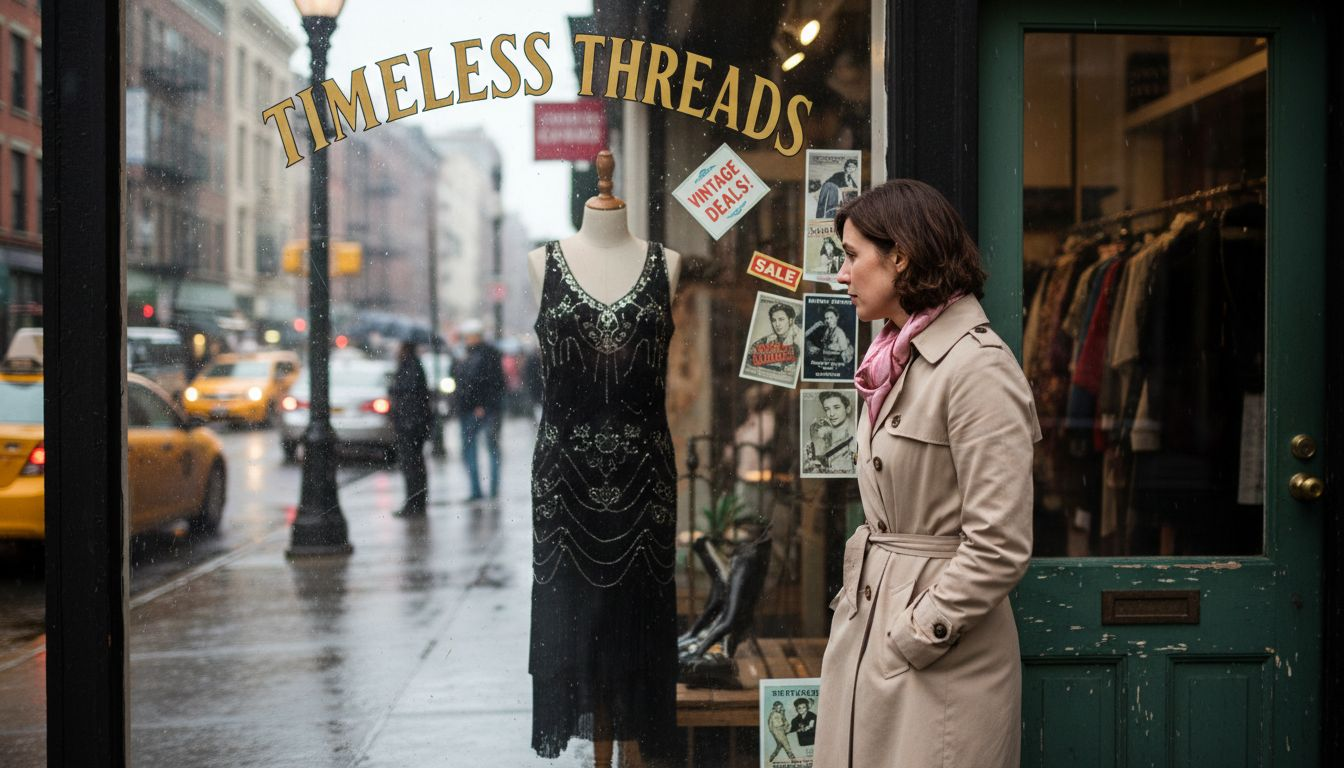
Throughout the 20th century, fashion shifted dramatically in response to historical events and liberation movements. World War II necessitated practical clothing for women entering the workforce, permanently changing expectations around feminine dress. The 1960s brought revolutionary changes with the mini skirt and youth-driven trends that challenged older generations’ authority. Each shift reflected broader social transformations around gender roles and generational power.
Iconic fashion moments that shaped societal views and female identity include:
These precedents directly influence how fashion icons shape cultural conversations today. When a celebrity makes a bold fashion statement, they’re often drawing on historical references, whether consciously or not. Understanding these connections helps you appreciate contemporary style choices as part of ongoing cultural dialogues rather than isolated moments.
The link between fashion and confidence runs deep throughout history. Women who challenged dress codes often challenged social limitations simultaneously. Recognizing this heritage can empower your own relationship with fashion and self-expression by connecting your choices to a larger narrative of female empowerment.
Knowing fashion history is intellectually interesting, but applying it to your personal style choices is where real empowerment happens. Here’s how to translate historical knowledge into wardrobe confidence.
Follow these steps to apply fashion history to your style decisions:
Historical awareness enriches your cultural appreciation and strengthens personal identity. When you understand that your favorite vintage-inspired blouse connects to 1940s wartime resourcefulness, you’re not just wearing a shirt. You’re participating in a continuing conversation about resilience and femininity. This depth of meaning transforms shopping from mindless consumption into intentional self-expression.
Pro Tip: Create a mood board combining historical fashion images with contemporary interpretations to develop your unique aesthetic that honors the past while staying current.
Understanding fashion history empowers individuals to make style choices that resonate personally and culturally rather than merely following fleeting trends. You become a curator of your wardrobe instead of a passive consumer reacting to whatever retailers push each season. This knowledge-based approach leads to more sustainable shopping habits because you invest in pieces you understand and value rather than disposable fast fashion.
Fashion history serves as a confidence tool beyond superficial choices. When you know why certain silhouettes flatter or which colors carry specific cultural meanings, you dress with intention and authority. You’re not guessing or copying. You’re making informed decisions based on understanding how fashion works.
Update your wardrobe with confidence by filtering new trends through your historical knowledge. Explore your personal fashion narrative as part of the broader journey toward empowerment that fashion history illuminates. Your style becomes a bridge between honoring the past and embracing the future on your own terms.
Now that you understand how fashion history enriches personal style, it’s time to put that knowledge into action. WomanEdit offers expert guides that help you refresh your wardrobe with confidence and cultural awareness. Our trend updates combine historical context with current style movements so you’re never just following fads blindly.

Explore practical strategies for updating your wardrobe with trends that align with your values. Discover how celebrity style choices reflect historical patterns while setting new directions. Access our comprehensive empowerment resources that connect fashion knowledge to broader life confidence. Combine your historical understanding with WomanEdit’s current insights to create an authentic style that tells your unique story.
Fashion history connects us to cultural identities and social movements that shaped modern society. It enriches your style choices by providing meaningful context beyond surface aesthetics. Understanding historical patterns helps you make informed wardrobe decisions that reflect your values.
Fashion history empowers you to choose styles that genuinely reflect your identity rather than blindly following current fads. It helps you recognize quality and timelessness in clothing, leading to smarter investments. You develop a unique aesthetic grounded in cultural awareness and personal authenticity.
Many think fashion history is boring or irrelevant, but it actually reveals powerful stories about culture and social change. Another myth suggests fashion history only matters to academics when everyone benefits from understanding style’s deeper meanings. Fashion history isn’t about rejecting modernity but enriching contemporary choices with historical wisdom.
Explore WomanEdit’s comprehensive guides that blend historical context with modern trend analysis. Our wardrobe update strategies help you apply fashion knowledge to create authentic personal style. Connect with our community of women who value fashion as cultural expression and personal empowerment.