Newsletter Subscribe
Enter your email address below and subscribe to our newsletter

Enter your email address below and subscribe to our newsletter

Explore the role of fashion icons, their cultural impact, types of icons, and how they inspire trends, confidence, and empowerment globally.
Spotting a celebrity draped in designer labels might grab your attention, but real fashion icons stand in a league of their own. The difference goes beyond popularity—it’s about authentic influence and the impact on cultural identity across continents. This article unpacks what actually defines a true fashion icon, highlights the myths that often cloud their status, and reveals how these figures inspire confidence, self-discovery, and empowerment for women everywhere. Read on to understand why fashion icons create lasting cultural influence instead of following fleeting trends.
| Point | Details |
|---|---|
| Distinction of Fashion Icons | True fashion icons create lasting cultural influence and authenticity rather than simply following trends. |
| Myths about Icons | Many misconceptions exist, such as needing conventional beauty or high social media followings to be an icon. |
| Modern Icon Diversity | Today’s fashion icons represent various aesthetics and philosophies, breaking traditional boundaries and embracing inclusivity. |
| Empowerment Through Influence | Fashion icons empower others by challenging norms and promoting personal authenticity and representation. |
There’s a huge difference between someone who’s famous for fashion and an actual fashion icon. Not every celebrity wearing designer clothes deserves the title. A true fashion icon embodies a concentrated mix of charisma, talent, and unique style that creates lasting cultural influence across generations.
Think of the distinction this way: influencers trend; icons transcend. Icons don’t follow what’s popular—they create it. They confound expectations and make people question what style even means, rather than simply wearing what already exists.
Authenticity tops the list. Real fashion icons wear what aligns with their identity, not what algorithms suggest. Their style choices feel intentional, sometimes bold, occasionally controversial.
They also have longevity. A fashion icon’s influence spans years or decades, not just the viral moment of a single outfit. Think about how certain silhouettes, colors, or accessories become permanently linked to specific people.
Cultural impact matters too. Fashion icons shape how society views itself through clothing. They influence what feels possible, acceptable, or desirable in the way we present ourselves.
Key characteristics of genuine fashion icons:
Myth #1: “You need to be conventionally beautiful.” False. Some of the most influential fashion icons challenged traditional beauty standards rather than fitting them. Personal presence and confidence matter far more than fitting one mold.
Myth #2: “Being fashionable makes you iconic.” Not quite. Plenty of well-dressed people never become icons. The difference is that icons create meaning through their choices, while fashionable people interpret existing trends.
Myth #3: “Icons only come from high fashion or Hollywood.” Wrong. Fashion icons emerge from music, sports, activism, royalty, and everyday life. Fashion operates as a symbolic system that shapes cultural identity across all communities.
Myth #4: “Social media followers determine iconic status.” High follower counts help visibility, but they don’t create icons. Historical fashion icons predated Instagram. Real iconic status comes from cultural staying power, not engagement metrics.
Myth #5: “Icons are only relevant to fashion people.” Fashion icons influence how we present ourselves to the world, affecting everything from job interviews to dating to how we process our identities. Their impact extends far beyond runway conversations.
True fashion icons inspire people to discover themselves through style, not to copy an existing template.
Pro tip: When evaluating whether someone qualifies as a genuine fashion icon, ask yourself if their style choices would still feel impactful and recognizable in five years, with or without social media algorithms boosting them.
Fashion icons aren’t a monolith anymore. Today’s icons represent wildly different aesthetics, backgrounds, and philosophies. Some challenge gender norms, others celebrate cultural heritage, and many blend both into something entirely new.
The diversity of modern icons reflects what’s actually happening in the world—fashion is becoming more inclusive, experimental, and globally influenced than ever before.
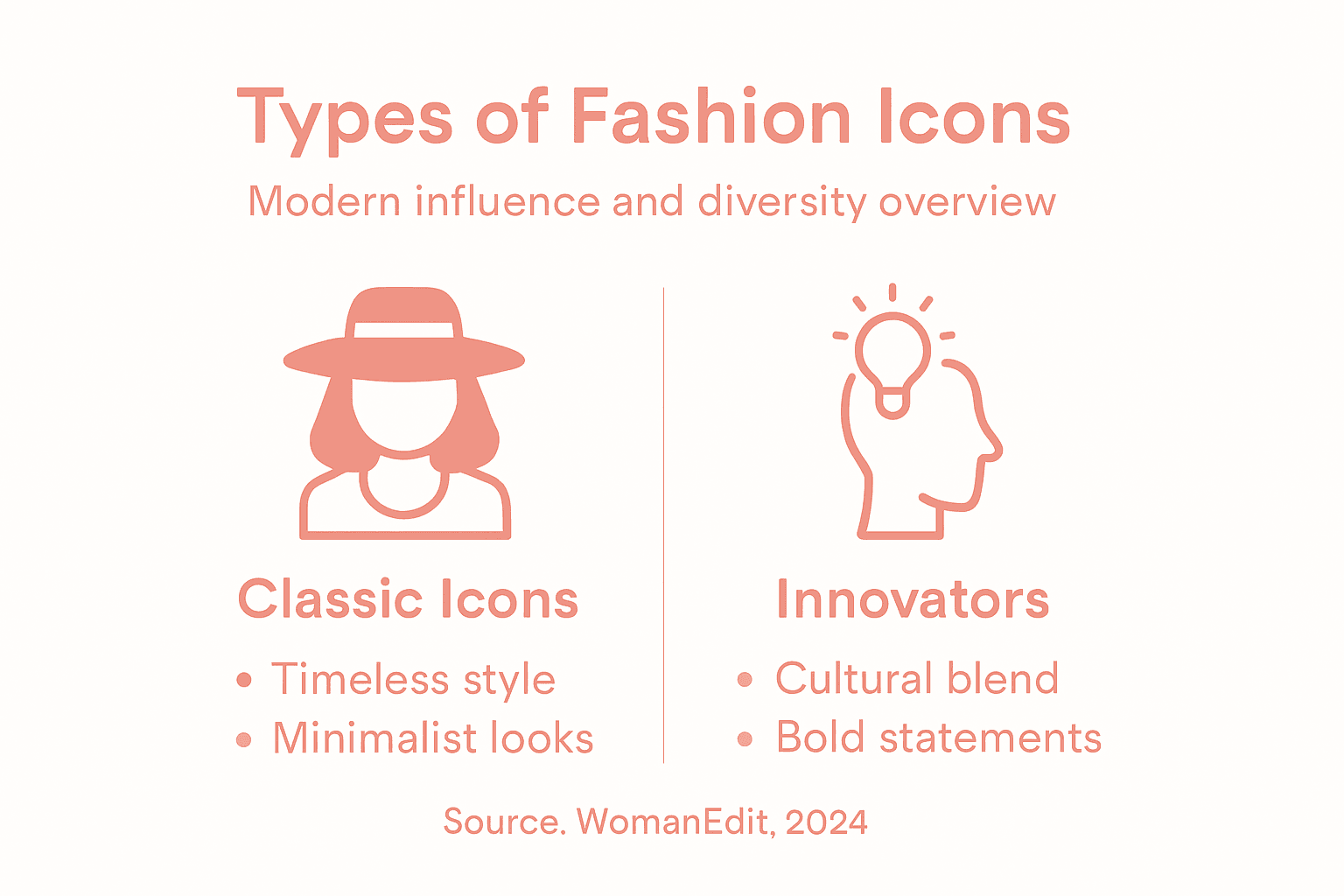
These icons champion timeless simplicity and sophistication. Think minimalist wardrobes, neutral palettes, and pieces that work across decades. They prove that less can genuinely be more.
Classic icons prioritize quality over quantity. Their influence comes from restraint and refined taste rather than bold statements. These figures teach us that staying power doesn’t require constant reinvention.
Today’s most exciting icons blend traditional aesthetics with global fashion. Designers like Kenneth Ize integrate African textiles and craftsmanship into contemporary designs, creating something culturally grounded yet forward-thinking.
These icons celebrate heritage while refusing to be confined by it. They show how personal identity and cultural pride can become powerful style statements.
A new generation rejects the idea that fashion has gender rules. Designers and figures like Harris Reed and Telfar Clemens champion gender-neutral designs and androgynous style.
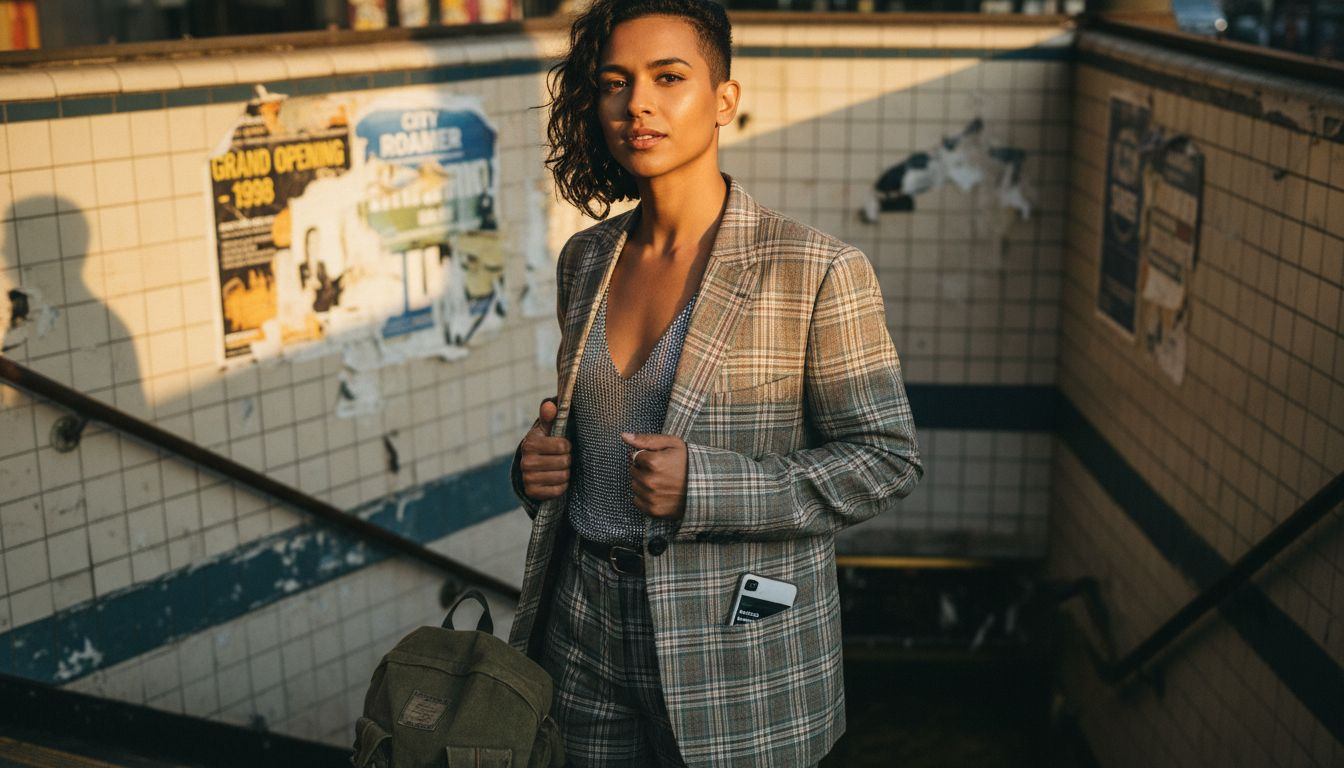
These icons make space for people who don’t fit traditional categories. Their work expands what’s considered beautiful, acceptable, and possible in fashion.
Key types of modern fashion icons include:
Some contemporary icons blend timelessness with bold innovation by challenging societal norms. Activist icons use their platforms to address body diversity, racial representation, age inclusivity, and disability representation in fashion.
These figures refuse the narrow beauty standards that once dominated the industry. They’re reshaping who gets to be visible and celebrated.
Modern fashion icons don’t fit one template—they prove that authenticity and cultural relevance matter more than conformity.
Pro tip: Pay attention to icons whose style choices align with your values, not just your aesthetic preferences—this creates more meaningful personal style that actually reflects who you are.
To clarify the distinctions among different types of modern fashion icons, see the comparison below:
| Icon Type | Core Philosophy | Example Figure | Distinctive Impact |
|---|---|---|---|
| Classic Elegance | Timeless simplicity and restraint | Audrey Hepburn | Defines enduring taste across eras |
| Cultural Innovator | Blends heritage with trends | Kenneth Ize | Bridges global traditions and new fashion |
| Gender-Fluid | Breaks gender style rules | Harris Reed | Expands beauty and identity norms |
| Activist | Focuses on inclusion and advocacy | Sinéad Burke | Pushes for industry-wide representation |
| Street Style Leader | Elevates everyday looks | A$AP Rocky | Sets trends from real life, not runways |
When a fashion icon wears something, the world notices. But their influence goes way deeper than just sales numbers or Instagram likes. Fashion icons shape how we see ourselves, what we believe is possible, and which cultural values we celebrate.
Think about how one person’s style choice can spark a global movement. That’s the real power of icons.
Fashion icons don’t just follow trends—they create them by making bold choices that challenge what already exists. When they wear something unexpected, designers take notice and build collections around that aesthetic.
But here’s what actually matters: consumers decide whether a trend sticks around. Icons inspire; audiences adopt. Together, they create cultural momentum.
Designers study how icons style pieces, combine colors, and reinvent classics. These observations directly influence runway collections, which then trickle down to mainstream retail.
Fashion icons influence far more than aesthetics. Fashion icons shape style trends and societal perceptions by reflecting broader cultural values and social changes.
When icons challenge beauty standards, they send a message: “This version of beauty matters too.” When they celebrate cultural heritage through fashion, they validate traditions and inspire cross-cultural appreciation.
For Gen Z and millennials especially, seeing icons who look like you—or challenge expectations the way you want to—feels revolutionary. It says your identity deserves visibility.
Social media transformed how quickly icons influence culture. A single photo can reach millions within hours, making trend cycles faster and more global than ever.
This democratization means influence doesn’t require traditional gatekeepers. Emerging icons can build massive followings through authenticity and cultural relevance, bypassing the old fashion industry hierarchy.
How fashion icons shape culture today:
Modern icons wield influence as activists. When they use fashion to address social issues—body diversity, racial justice, sustainability—fashion becomes a vehicle for cultural change.
Their visibility matters because fashion affects how we move through the world. Icons showing up authentically send signals about who belongs and whose voice matters.
Fashion icons influence culture by reflecting who we’re becoming, not just who we’ve been.
Pro tip: Notice which icons genuinely resonate with your values, then trace how their style choices express those beliefs—this helps you develop authentic personal style rather than mimicking surface-level trends.
Fashion icons do more than inspire outfits—they inspire entire worldviews. When icons publicly own their power, challenge systems, and build empires, they show millions of women that ambition is fashionable.
Empowerment through fashion icons happens in two ways: directly through their visible choices, and indirectly through the cultural shifts they create.
Some of the most influential fashion icons transitioned from personal style into business leadership. Figures like Rihanna and Victoria Beckham didn’t just wear clothes; they built brands and companies that challenged who gets to lead.
Their success demonstrates that fashion influence can translate into broader empowerment by combining innovative thinking with strategic network building. When women see icons running billion-dollar companies, the message is clear: fashion is a legitimate pathway to power.
These icons prove that traditional career paths aren’t the only way forward. Many bypassed gatekeepers entirely by building platforms and audiences first.
Modern icons use fashion itself as a statement about power and freedom. Wearing bold colors, refusing to conform, or reclaiming traditionally feminine aesthetics as strength—these choices carry political weight.
Fashion becomes feminist activism when icons deliberately choose styles that challenge restrictive beauty standards. They’re saying: “My body, my choice. My style, my statement.”
Luxury brands amplify this by promoting freedom of movement and appropriating symbols of power through fashion. When icons wear these pieces, they validate the message that style is about reclaiming agency.
When fashion icons who are women of color, plus-size, disabled, or queer achieve visibility, it changes everything. Young women see themselves reflected in positions of influence and power.
Representation matters because it answers a silent question young people ask: “Can someone like me do this?” Icons saying yes—through their existence and success—is genuine empowerment.
Ways fashion icons empower women today:
When people feel represented, they feel seen. And when people feel seen, they gain confidence to show up authentically. Fashion icons who embrace their differences inspire audiences to stop hiding.
This ripples beyond fashion into how women move through workplaces, relationships, and public spaces. Confidence borrowed from icons becomes real confidence over time.
Fashion icons empower women by showing that ambition, authenticity, and style aren’t mutually exclusive—they’re interconnected.
Pro tip: Identify icons whose empowerment journey resonates with your own goals, then research how they built their influence step-by-step—you’ll find tangible strategies applicable to your own path forward.
Here’s a summary of power moves fashion icons use to empower and inspire broader change:
| Empowerment Strategy | Description | Effect on Culture |
|---|---|---|
| Building Personal Brands | Icons run businesses beyond style | Redefines leadership possibilities |
| Publicly Challenging Norms | Rejects conformity on stage and social media | Normalizes diverse beauty and roles |
| Advocating for Representation | Gives voice to underrepresented groups | Increases visibility for all identities |
| Modeling Confidence | Demonstrates unapologetic self-expression | Inspires personal confidence in fans |
Inspiration from fashion icons is healthy. Copying them blindly? That’s where things fall apart. The goal is to learn from icons while building a style that actually works for your life, body, and personality.
There’s a massive difference between being inspired by an icon and losing yourself in imitation.
An outfit looks completely different on different bodies. What flatters an icon’s frame might overwhelm or underwhelm yours. Intelligent adaptation of fashion trends avoids compromising personal fit and body type considerations.
This doesn’t mean you can’t wear what icons wear. It means you need to adjust proportions, silhouettes, and styling to honor your unique shape. A crop top might work on an icon with a certain body type but need different styling on yours.
Don’t just screenshot and buy. Think about how pieces will actually sit on your frame.
Trending items work on icons partly because they have stylists, professional photographers, and controlled environments. Your real life involves commuting, working, and moving through actual spaces.
Ask yourself: Does this trend align with my lifestyle? Will I actually wear it more than once? Icons often wear statement pieces for single events or photo shoots, not everyday life.
Consider your climate, your job, your budget, and your actual schedule. An icon’s avant-garde airport outfit might be cool to admire but impractical for your Tuesday.
Icons often wear high-quality pieces tailored to perfection. Cheap fast-fashion knockoffs of those same pieces look completely different because fit matters enormously.
Investing in fewer, better-quality basics and selectively choosing trend pieces creates a more sustainable wardrobe. Fit transforms everything.
Common mistakes when following fashion icons:
The most successful style adapters take inspiration from icons but make it their own. They understand the principles—proportion, color theory, confidence—but apply them personally.
An icon’s power comes partly from authenticity. Copying them surface-level strips away that authenticity and makes you look like a costume version of someone else.
Icons are photographed by professionals with lighting, angles, and editing. Your mirror and phone camera show reality. Stop comparing these two things as if they’re equal.
Understand that professional styling, makeup, and photography create an aspirational image. Your goal should be feeling good in your own skin, not matching that exact aesthetic.
The goal isn’t to become your icon—it’s to become the best version of yourself using inspiration as a guide.
Pro tip: Before buying anything inspired by an icon, wait 48 hours, then ask yourself if you’d buy it without their endorsement—if the answer is no, skip it.
The article reveals how fashion icons do much more than set trends. They shape culture, empower individuality, and challenge norms—a journey that mirrors the challenges many modern women face in discovering authentic style and confidence. If you find yourself inspired by iconic fashion yet struggle to translate that inspiration into a look that truly fits your unique identity and lifestyle, you are not alone. Understanding the difference between imitation and authentic self-expression is key to building a meaningful personal style.
Dive deeper into the stories of real empowerment and fashion influence on WomanEdit. Explore exclusive celebrity coverage, style updates, and guidance on embracing fashion as a tool for self-discovery and cultural expression. Take control of your style journey now and start expressing the empowered woman you already are by visiting WomanEdit. Your authentic style awaits.
Fashion icons are characterized by their distinctive personal style, willingness to take risks, cultural relevance, and their ability to influence how others dress. Authenticity and longevity in their fashion choices contribute to their iconic status.
Fashion icons create trends by making bold style choices that challenge the norm. Their unique interpretations of clothing inspire designers and consumers alike, leading to cultural momentum and new fashion movements.
Yes, anyone can become a fashion icon by embracing authenticity in their style, challenging norms, and resonating with cultural values. Gender, beauty standards, and societal expectations do not limit the potential for iconic status.
Social media amplifies the influence of fashion icons by allowing their styles to reach a broader audience quickly. It democratizes fashion, enabling emerging icons to gain visibility based on authenticity rather than traditional fashion industry channels.
Source: Editorial Use | Image: Editorial Use