Newsletter Subscribe
Enter your email address below and subscribe to our newsletter


Explore the role of influencers in fashion, from trendsetting and brand partnerships to effects on diversity, mental health, and self-confidence.
Scrolling through Instagram or TikTok, it is easy to feel the impact of fashion influencers who do more than just highlight the latest trends. In a fast-paced digital world, these creators are shaping not only what we wear but also how we see ourselves, openly discussing topics like body positivity and mental health. This article unpacks the world of modern fashion influencers, revealing how their genuine voices and diverse stories drive both personal empowerment and global style shifts.
| Point | Details |
|---|---|
| Influencer Evolution | Fashion influencers now embody authenticity and personal connection, shaping consumer behavior across digital platforms. |
| Impact on Trends | Influencers are rapid trend translators, enabling immediate style adoption and broader cultural movements. |
| Brand Collaborations | Successful partnerships prioritize shared values and genuine connections over just follower count. |
| Social Influence | Influencers challenge beauty standards and promote diversity, contributing positively to discussions on mental health and body image. |
Fashion influencers have dramatically transformed how trends are created, shared, and consumed in the digital age. Unlike traditional celebrity endorsements, modern influencers represent a complex ecosystem of digital personalities who leverage authenticity and personal connection to shape consumer behavior. Contemporary fashion influencers now function as critical intermediaries between brands, audiences, and emerging cultural narratives.
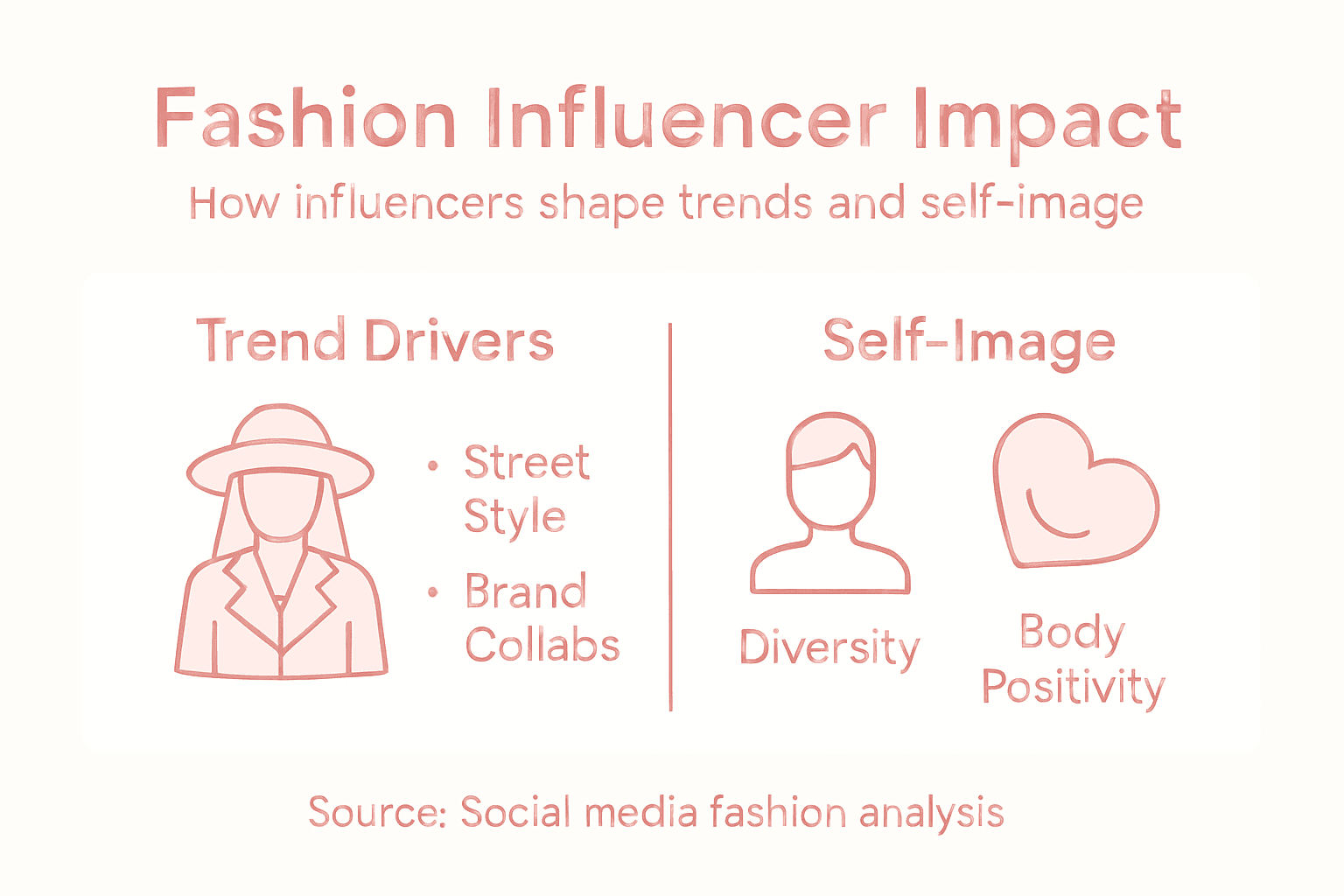
Today’s fashion influencers are far more than just aesthetic curators – they are storytellers, trend forecasters, and community builders. Their impact extends across multiple dimensions:
The digital landscape has democratized fashion influence, allowing individuals from diverse backgrounds to shape style conversations. Platforms like Instagram and TikTok have become virtual runways where personal style, cultural expression, and commercial trends intersect. Micro-influencers and niche content creators now wield significant power, often connecting more deeply with audiences than mainstream celebrities.
Moreover, fashion influencers are increasingly using their platforms for social commentary, highlighting issues like body positivity, ethical production, and environmental sustainability. They are not merely selling products but creating movements that challenge and redefine industry norms.
Pro tip: When following fashion influencers, prioritize those who showcase genuine personal style and promote values aligned with your own authentic self-expression.
The world of fashion influencers is far from monolithic, with distinct categories emerging based on audience reach and engagement strategies. Understanding these variations is crucial for comprehending how different influencers impact fashion trends and consumer behavior.
Fashion influencers can be broadly categorized into four primary tiers:
Each tier brings unique characteristics to the fashion landscape. Mega influencers typically represent high-profile celebrities and global brands, offering widespread visibility but often less personal connection. Macro influencers strike a balance between reach and relatability, often specializing in specific fashion niches like streetwear, sustainable fashion, or plus-size styling.
Micro and nano influencers represent the most intriguing segment of the digital fashion ecosystem. Social media influencer research reveals that these smaller-scale content creators often demonstrate significantly higher audience engagement and authenticity. Their content feels more personal, creating deeper connections with followers who view them as trusted peers rather than distant celebrities.
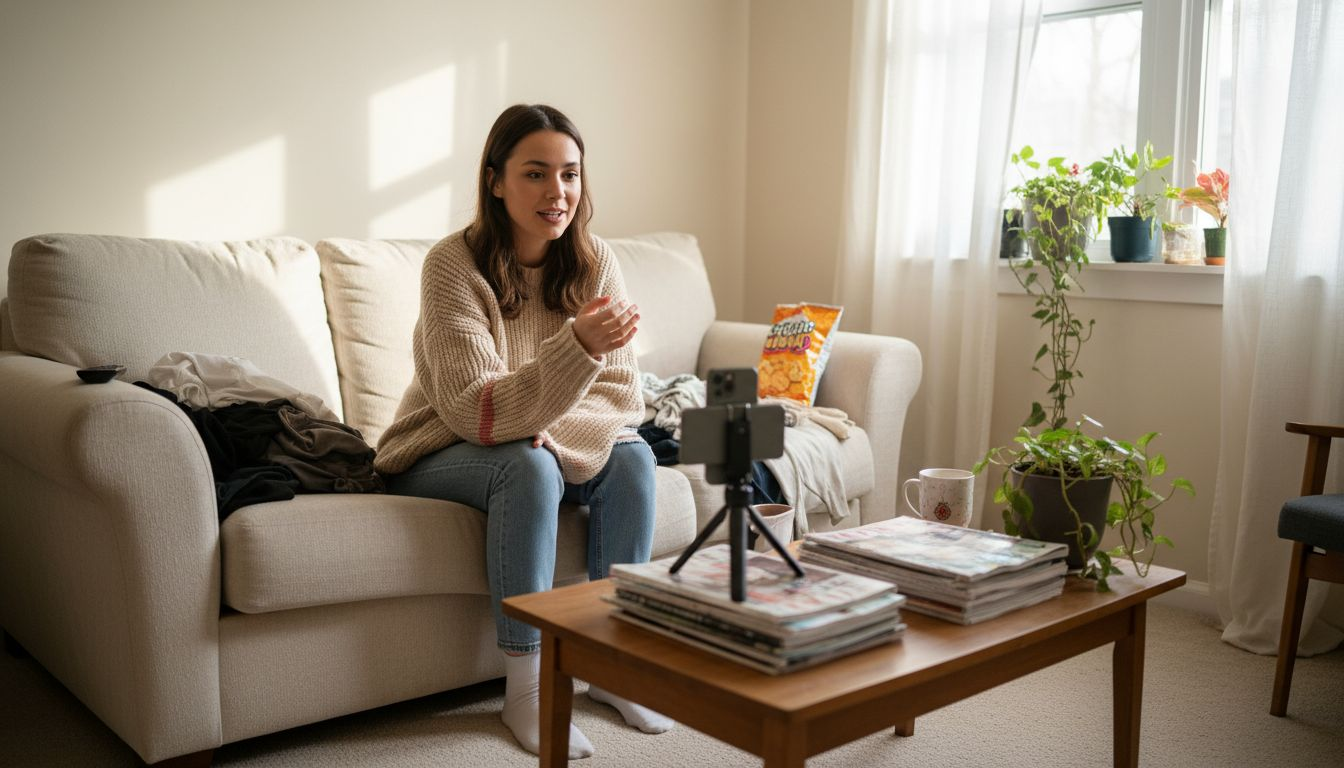
The differentiation goes beyond follower count. Each influencer type brings distinct value: mega influencers drive massive brand awareness, macro influencers provide broader niche representation, while micro and nano influencers offer hyper-targeted, highly authentic content that resonates deeply with specific audience segments.
Here’s a breakdown of how influencer tiers differ in their real-world impact:
| Influencer Tier | Typical Collaboration Style | Main Advantage for Brands |
|---|---|---|
| Mega | High-budget campaigns | Broad global visibility |
| Macro | Sponsored posts, events | Niche audience access |
| Micro | Product seeding, reviews | Strong audience trust |
| Nano | Gifting, local events | Hyper-targeted reach |
Pro tip: When analyzing fashion influencers, look beyond follower count and evaluate their genuine audience engagement and content authenticity.
In the digital age, fashion influencers have become powerful trend architects, transforming how style spreads across global audiences. Social media platforms like Instagram and TikTok have revolutionized fashion communication, enabling influencers to instantly translate personal style into widespread cultural movements.
The trend-setting process through digital influencers involves several key mechanisms:
Digital platforms have democratized fashion trend creation, allowing influencers to bypass traditional fashion gatekeepers. An outfit posted in the morning can become a global style inspiration by evening, with followers quickly adopting and reinterpreting the look through their personal lens.
The credibility of fashion influencers plays a crucial role in trend adoption. Their perceived authenticity, personal aesthetic, and engagement with followers determine how quickly a trend spreads. Micro-influencers often demonstrate higher trend-setting power due to their perceived relatability and niche expertise, creating more targeted and meaningful fashion conversations.
Fashion trends now move at the speed of social media, with influencers acting as rapid trend translators and cultural connectors.
Pro tip: Follow diverse influencers who genuinely express personal style rather than simply chasing algorithmic popularity.
Fashion brands have evolved their marketing approach by strategically leveraging influencer collaboration networks to expand digital reach and create authentic consumer connections. These partnerships represent a sophisticated ecosystem where brands and influencers co-create value, moving far beyond traditional advertising models.
Key elements of successful brand-influencer partnerships include:
Consumer trust emerges as the critical currency in these relationships. Influencer marketing research demonstrates that successful partnerships depend on carefully matching brand identity with an influencer’s personal narrative and audience expectations.
The strategic selection process for influencer partnerships has become increasingly nuanced. Brands now employ sophisticated analytics to evaluate potential collaborators, considering factors like audience demographics, engagement rates, content authenticity, and alignment with brand values. Micro-influencers often prove more valuable than mega-celebrities, offering more targeted and genuine audience connections.
Authenticity trumps reach: The most successful brand partnerships feel like natural storytelling, not forced advertisements.
Pro tip: Always prioritize genuine connection and shared values over follower count when evaluating potential brand partnerships.
Fashion influencers wield significant power in shaping societal perceptions, critically impacting mental health and body image representations. Their digital platforms have become powerful spaces where narratives about beauty, diversity, and self-acceptance are constructed and challenged.
Key dimensions of social impact include:
Digital representation has transformed from passive reflection to active social commentary. Influencer content increasingly confronts systemic barriers related to body image, mental health, and cultural inclusivity, moving beyond superficial aesthetics to deeper societal conversations.
The most progressive influencers are reframing beauty standards by showcasing diverse body types, skin tones, abilities, and gender expressions. They’re not just modeling clothing but challenging long-standing industry norms that have historically marginalized entire communities. Mental health awareness has become a critical component of their content, with many influencers openly discussing personal struggles and destigmatizing conversations about psychological well-being.
True representation isn’t about fitting into existing standards, but expanding those standards to embrace all human experiences.
Pro tip: Follow influencers who prioritize authentic representation and mental wellness over unrealistic aesthetic ideals.
The table below summarizes key ways fashion influencers shape the industry:
| Impact Area | Example Action | Result for Audiences |
|---|---|---|
| Trend Creation | Showcasing new looks online | Faster global style adoption |
| Social Conversation | Addressing diversity openly | Greater body positivity |
| Brand Influence | Bespoke brand partnerships | More authentic recommendations |
| Mental Health | Sharing personal stories | Reduced stigma around issues |
The article reveals the challenge many face today — finding fashion inspiration that truly resonates beyond just follower counts or surface trends. You want to embrace authentic style, support diversity, and connect with influencers who prioritize mental health and genuine self-expression. This means moving away from empty celebrity endorsements and towards voices that share your values and encourage real confidence.
Explore how you can stay ahead in fashion and wellness by visiting WomanEdit where we celebrate empowering stories, trend insights, and mental health awareness. Dive into exclusive content tailored for modern women seeking inspiration that uplifts and informs. Don’t miss out on uncovering the influencers who truly shape positive change in style and self-image. Visit WomanEdit’s Lifestyle Hub today and start your journey toward authentic fashion empowerment.
Fashion influencers act as trend architects by creating authentic content that resonates with their audience. They visualize and demonstrate new styles, engage directly with their followers, and validate trends through likes and shares, enabling rapid dissemination of fashion movements.
Micro-influencers typically have fewer followers (10,000 to 100,000) but demonstrate higher audience engagement and authenticity. In contrast, mega-influencers (over 1 million followers) offer broad visibility but may lack a personal connection with their audience, impacting their effectiveness in niche markets.
Fashion influencers significantly influence societal perceptions of beauty and body image. Many actively promote body positivity, showcase diverse representations, and engage in conversations around mental health, helping to challenge traditional beauty standards and reduce stigma associated with mental health issues.
Brands can enhance their reach and create authentic connections by partnering with fashion influencers. Successful collaborations align brand and influencer values, focus on genuine content creation, and leverage influencer engagement to ensure a more personalized marketing approach that resonates with targeted audiences.
Source: Editorial Use | Image: MEGA