Newsletter Subscribe
Enter your email address below and subscribe to our newsletter


Explore why diversity in fashion is vital. Learn about representation, evolving trends, industry barriers, and the impact on women's empowerment.
Bold moves and fresh faces are redefining fashion, pushing beyond familiar runways and styling rooms. Today, the demand for true diversity means brands and designers are recognizing authentic histories and bodies that have long been sidelined. For those passionate about social change and cultural icons, exploring fashion diversity offers more than trends—it unlocks new possibilities for self-expression, community, and empowerment. Discover how this transformation is making space for voices and visions that reflect a global generation.
| Point | Details |
|---|---|
| Diversity in Fashion | Genuine diversity goes beyond representation; it includes inclusivity in design, leadership, and consumer experiences. |
| Consumer Expectations | Younger consumers demand authentic representation and size inclusivity, driving brand success. |
| Barriers to Inclusivity | Systemic challenges, such as leadership homogeneity and unconscious bias, hinder meaningful progress in the industry. |
| Empowerment through Fashion | Fashion serves as a platform for women’s self-expression and challenges traditional beauty norms, fostering personal empowerment. |
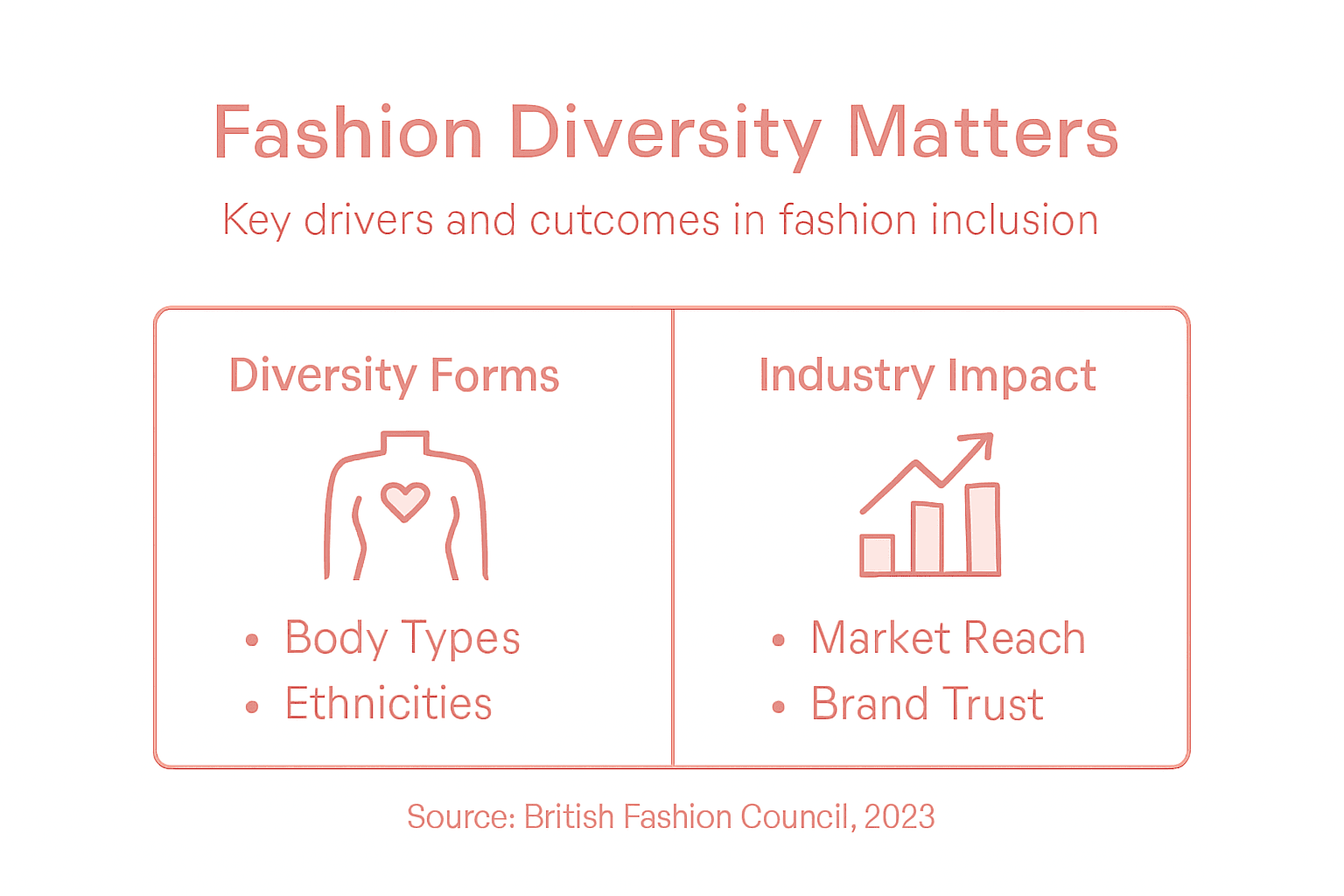
Diversity in fashion is no longer just a buzzword—it’s a critical transformation reshaping the entire industry landscape. Beyond representation, it means creating genuine inclusivity across design, modeling, leadership, and consumer experiences. Fashion diversity encompasses recognizing and celebrating differences in body types, ethnicities, gender expressions, abilities, and cultural backgrounds.
The fashion industry is experiencing a profound shift towards more meaningful representation. Comprehensive diversity research reveals that genuine inclusion goes far beyond surface-level tokenism. This means:
Historically, fashion has perpetuated narrow aesthetic standards that marginalized significant population segments. Today’s approach demands systemic transformation, recognizing that true representation means providing authentic visibility and meaningful opportunities.
Diversity isn’t just about who appears in campaigns—it’s about fundamentally restructuring who creates, decides, and defines fashion.
The industry is gradually acknowledging that diversity drives innovation, expands market reach, and reflects our global, multicultural reality. By embracing different perspectives, fashion becomes a powerful tool for social dialogue and empowerment.
Here’s a snapshot of how diversity influences different aspects of the fashion industry:
| Industry Area | Impact of Diversity | Example Outcome |
|---|---|---|
| Design | Inspires inclusive collections | Adaptive clothing lines |
| Marketing | Enhances authentic brand stories | Campaigns with varied models |
| Leadership | Brings new viewpoints | More equitable creative decisions |
| Consumer Loyalty | Strengthens brand relationships | Increased repeat engagements |
Pro tip: Challenge yourself to support brands that demonstrate genuine commitment to diversity, not just performative marketing.
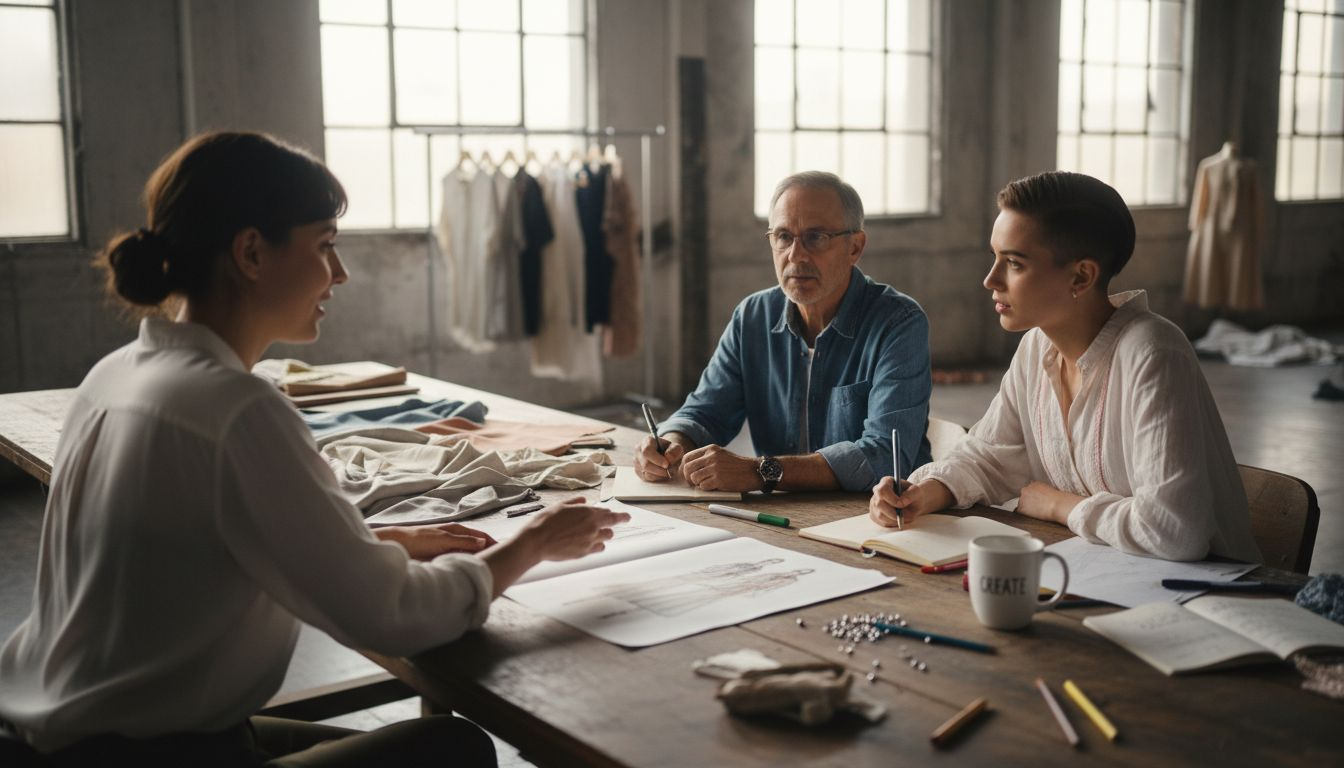
Representation in fashion transcends visual aesthetics—it’s a powerful narrative of inclusivity and empowerment. Fashion representation has evolved dramatically, moving beyond traditional beauty standards to embrace diverse identities, body types, and experiences. Inclusive apparel design now considers multiple dimensions of human diversity, challenging long-standing industry norms.
The contemporary landscape of fashion representation encompasses several critical dimensions:
Historically marginalized groups are now finding meaningful spaces within fashion’s creative ecosystem. Representation styles have expanded to include models with different body types, abilities, ages, and gender expressions, signaling a profound shift from homogeneous beauty ideals.
True representation isn’t about fitting diverse bodies into existing standards—it’s about reimagining standards to celebrate human variation.
Designers and brands are increasingly recognizing that diversity in fashion advertising reflects not just aesthetic choices, but deeper commitments to social justice and human dignity. By showcasing varied identities, the fashion industry becomes a platform for cultural dialogue and personal empowerment.
Pro tip: Support brands that demonstrate authentic commitment to representation by purchasing from designers who genuinely prioritize inclusivity.
Diversity is dramatically reshaping fashion trends and consumer purchasing behaviors, creating a powerful economic and cultural transformation. Consumer preferences for inclusive representation have become a critical driver of brand success, particularly among younger generations who demand authentic, meaningful representation.
The emerging trend landscape demonstrates several key shifts in consumer choices:
Consumer behavior is fundamentally changing as younger demographics, especially Gen Z, leverage their purchasing power to support brands that align with their values. These consumers view fashion as more than aesthetic expression—it’s a statement of social consciousness and personal identity.
Representation isn’t just a marketing strategy—it’s a fundamental reimagining of who fashion serves and celebrates.
Brands that understand diverse consumer preferences are experiencing significant market advantages. By developing inclusive product lines and authentic marketing narratives, companies are discovering that representation directly correlates with consumer loyalty and brand perception.
Pro tip: Research brands’ genuine diversity initiatives before making purchases, looking beyond surface-level marketing to their actual design and leadership practices.
The journey toward genuine inclusivity in fashion remains fraught with complex, systemic challenges that extend far beyond surface-level representation. Workplace equity challenges reveal profound structural barriers preventing meaningful transformation in the industry’s culture and practices.
Key obstacles confronting inclusive fashion include:
Structural barriers continue to impede progress, with many organizations implementing performative diversity initiatives that fail to address root systemic inequities. The fashion industry’s traditional hierarchies and gatekeeping mechanisms consistently marginalize voices from diverse backgrounds.
Compare key challenges and potential solutions for inclusive fashion progress:
| Challenge | Why It Matters | Potential Solution |
|---|---|---|
| Leadership homogeneity | Limits fresh perspectives | Diversify executive recruitment |
| Unconscious design biases | Hinders real representation | Inclusive design training programs |
| Lacking investment in talent | Stifles underrepresented voices | Dedicated funding for minority talent |
Representation is not a checkbox—it’s a fundamental reimagining of power structures and creative perspectives.
The British Fashion Council’s comprehensive analysis highlights how limited talent sourcing and structural biases create significant obstacles for underrepresented groups, preventing genuine inclusivity from taking root in fashion’s core ecosystems.
Pro tip: Challenge fashion brands by asking specific questions about their diversity leadership, representation in design teams, and concrete initiatives supporting marginalized creatives.
Fashion has emerged as a powerful vehicle for women’s self-expression, transcending mere clothing to become a dynamic platform for personal empowerment. Inclusive apparel design enables women to reclaim narratives about their bodies, identities, and social experiences through strategic clothing choices that challenge traditional limitations.
Empowerment through fashion manifests in multiple transformative dimensions:
Fashion autonomy represents more than aesthetic choices—it’s a profound statement of personal sovereignty. Women are increasingly using clothing as a language of resistance, challenging systemic constraints and redefining societal expectations about appearance, capability, and identity.
Clothing is not just fabric—it’s a form of personal revolution, worn close to the skin.
The gender dynamics in fashion reveal how intentional design can dismantle restrictive norms, creating spaces where women can authentically express themselves beyond prescribed social boundaries.
Pro tip: Choose clothing that makes you feel powerful, not just fashionable, and view your wardrobe as a personal toolkit for self-expression.
The journey toward true diversity in fashion means more than just representation on runways or in campaigns. It tackles deep challenges like leadership homogeneity and unconscious biases that have long excluded diverse voices. If you are passionate about supporting authentic inclusivity that drives real change and empowers women through style, it is vital to stay informed and connected with movements reshaping the fashion landscape.
Explore insightful stories and empowering perspectives on fashion and lifestyle at WomanEdit. Join a community focused on elevating women’s experiences with content covering the latest in fashion diversity, mental health, and personal empowerment. Take action now and discover how you can support brands and trends that celebrate every woman’s unique identity. Visit WomanEdit to learn more and stay inspired with trending updates and expert insights on diversity and representation.
Diversity in fashion refers to the inclusion and representation of various body types, ethnicities, gender expressions, abilities, and cultural backgrounds in all aspects of the industry, including design, modeling, and leadership.
Representation is vital in fashion as it drives innovation, expands market reach, and reflects the multicultural reality of society. It ensures that all individuals feel seen and valued, promoting social dialogue and empowerment.
Diversity in fashion design inspires collections that cater to a wider range of body types and preferences, leading to more inclusive and adaptive clothing lines that challenge traditional beauty standards.
Key barriers include entrenched leadership homogeneity, unconscious design biases, and a lack of investment in underrepresented talent development, which all impede meaningful transformation within the fashion industry.
Source: Editorial Use | Image: Editorial Use