Newsletter Subscribe
Enter your email address below and subscribe to our newsletter


Discover how to spot fashion trends 2026 with a step-by-step method designed for stylish women. Learn to identify, verify, and embrace emerging styles effortlessly.
Staying ahead in fashion means knowing where to find the freshest style signals before anyone else. For young women eager to make bold statements in 2026, building your own network of trusted trend sources opens doors to real empowerment. With expert platforms like WGSN and thorough global analyses like McKinsey’s State of Fashion reports, you gain access to high-accuracy predictions and true insider insights that will shape your trendsetting choices.
| Key Insight | Explanation |
|---|---|
| 1. Diversify trend sources | Establish a variety of trend tracking resources to gain diverse insights into emerging fashion. |
| 2. Analyze influential platforms | Examine key fashion platforms’ strategies to understand how they’re shaping future trends. |
| 3. Monitor celebrity styles | Track trends through celebrities and influencers, as their choices often forecast mainstream fashion. |
| 4. Compare streetwear and runway | Analyze the connections between streetwear and high fashion to uncover emerging style movements. |
| 5. Verify trend authenticity | Assess trends by their cultural resonance and adaptability to ensure they are genuine movements. |
Setting up your trend tracking sources is crucial for staying ahead of the fashion curve in 2026. This step will help you curate a reliable and diverse network of trend intelligence platforms that will keep you informed about emerging styles and global fashion movements.
Start by establishing a core set of professional trend tracking resources. Fashion forecasting services like WGSN offer incredibly sophisticated trend prediction tools that analyze multiple data points to generate accurate projections. These platforms use advanced AI models to track design trends up to five seasons ahead, giving you a significant competitive advantage.
Must-have trend tracking sources include:
McKinsey’s State of Fashion reports provide another essential resource for understanding broader market dynamics. These comprehensive analyses offer insights into technological shifts, consumer behavior changes, and economic factors that influence fashion trends.
Pro tip: Diversify your trend tracking sources to get a comprehensive view of emerging fashion movements.
Pro tip: Subscribe to multiple trend forecasting services and set up weekly review sessions to synthesize insights and spot emerging patterns.
Analyzing influential fashion platforms is your strategic roadmap to understanding emerging trends and global style movements in 2026. By dissecting how key industry players are evolving, you’ll gain critical insights into the future of fashion.
McKinsey’s State of Fashion report reveals that fashion platforms are dramatically transforming through technological and consumer-driven innovations. Understanding these platforms requires a nuanced approach that goes beyond surface-level trend tracking.
Key platforms to analyze include:
When examining these platforms, pay attention to their adaptation strategies. Look for indicators like technological integration, sustainability practices, personalization efforts, and consumer engagement models. Each platform offers unique perspectives on emerging fashion directions.
Successful trend analysis requires looking beyond immediate visual trends to understand deeper market dynamics.
Pro tip: Create a systematic tracking spreadsheet to compare platform strategies, noting shifts in design philosophy, technological adoption, and consumer interaction models.
Here’s a side-by-side look at how different fashion platforms drive trend influence:
| Platform Type | Strength in Trend Influence | Example Trend Contributions |
|---|---|---|
| Luxury fashion houses | Set global design direction | Introduce new materials, high couture |
| Mass-market retailers | Rapidly mainstream new styles | Amplify popular cuts, adjust for price |
| Digital-first brands | Fast innovation, tech integration | Launch viral microtrends and AI usage |
| Sustainability-focused | Drive ethical and eco consciousness | Promote eco-materials and transparency |
| Personalization marketplaces | Foster unique, user-led trends | Enable custom designs and self-expression |
Tracking the style choices of celebrities and influencers is your secret weapon for predicting fashion trends in 2026. This strategic approach will help you understand how key style leaders are shaping the fashion landscape before trends hit mainstream markets.

Social media research reveals that celebrities and influencers hold remarkable power in driving consumer fashion choices. Their style selections are more than just personal preferences – they’re powerful trend indicators that can forecast entire fashion movements.
Key platforms for monitoring include:
When analyzing their style choices, focus on recurring design elements such as color palettes, silhouettes, fabric choices, and accessory trends. Pay special attention to how these style leaders mix high-end designer pieces with emerging designer collections.
Celebrity style choices are not just fashion statements – they’re predictive models of upcoming trends.
Pro tip: Create a digital mood board for each major influencer, tracking their style evolution and identifying consistent trends across their wardrobe selections.
Spotting fashion trends in 2026 requires a strategic approach to understanding the dynamic relationship between global streetwear and high-fashion runway collections. This comparative analysis will give you a comprehensive view of emerging style movements across different fashion ecosystems.
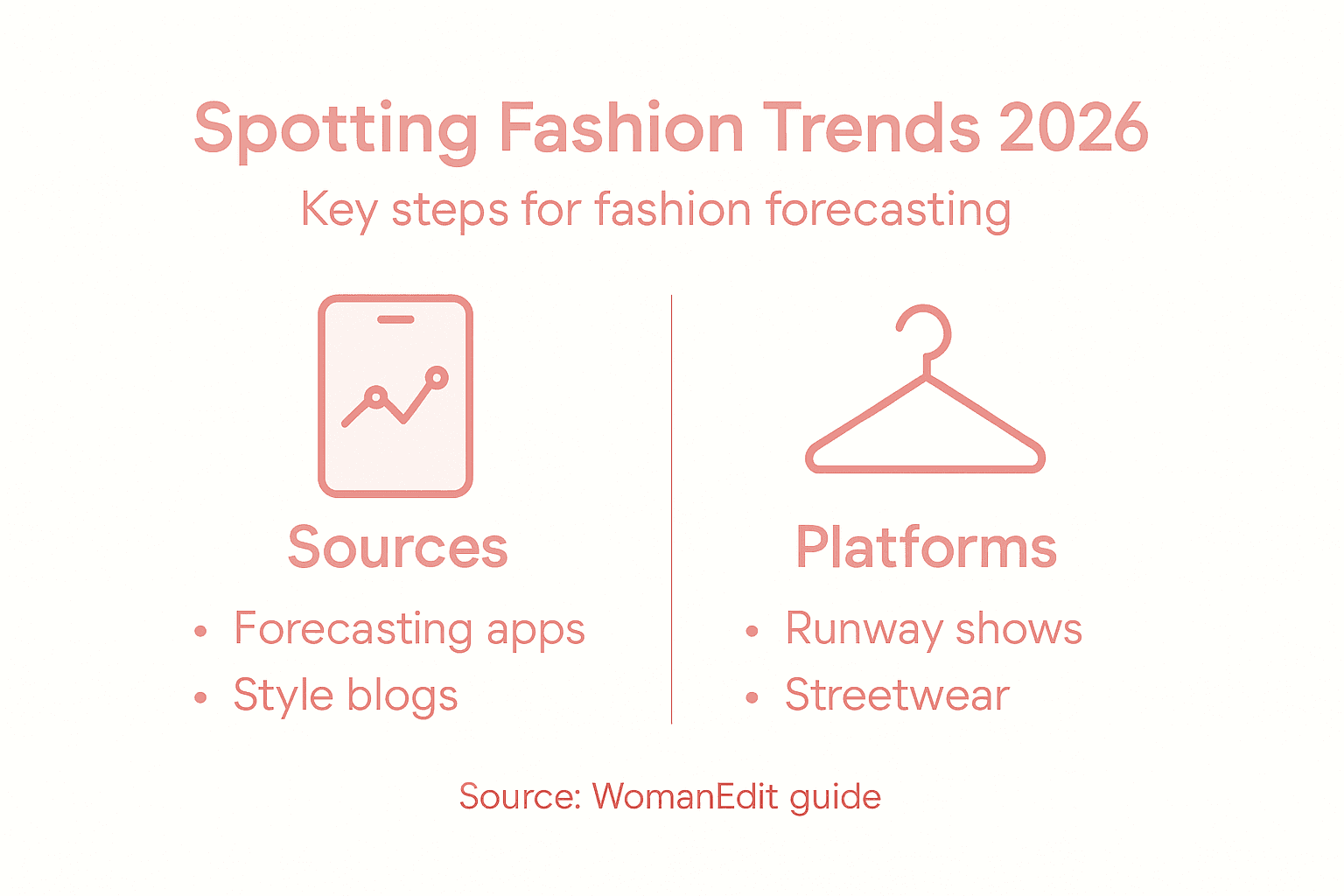
Global streetwear analysis reveals a nuanced landscape where subcultural roots intersect with international design trends. Understanding these connections helps you predict how underground style influences mainstream fashion.
Key comparative elements to examine:
When comparing streetwear and runway insights, look beyond surface-level aesthetics to understand the deeper cultural conversations happening through fashion. Pay attention to how emerging designers translate street-level creativity into high-fashion statements.
Streetwear and runway trends are not separate universes – they’re interconnected dialogs of global style.
Pro tip: Create a side-by-side visual comparison board that tracks design elements across streetwear brands and runway collections to identify emerging trend intersections.
Verifying trend authenticity is your critical defense against fleeting fashion fads and unsustainable style choices. This step will transform you from a passive trend observer into a strategic fashion investigator who can distinguish between genuine style movements and temporary visual noise.
Authentic trends demonstrate consistent cultural resonance across multiple platforms and demographic groups. Look beyond surface-level aesthetic appeal to understand the deeper narrative and practical wearability of emerging fashion directions.
Key authenticity verification strategies:
When analyzing a trend’s adaptability, consider how versatile the style is across different body types, age groups, and social contexts. The most powerful trends transcend narrow demographic boundaries and offer flexible styling options.
Compare key markers of authentic versus fleeting fashion trends to refine your analysis:
| Indicator | Authentic Trend Example | Fleeting Fad Example |
|---|---|---|
| Cross-platform resonance | Seen in multiple regions | Isolated to one platform |
| Demographic flexibility | Worn by diverse age groups | Niche youth-only appeal |
| Practical wearability | Suits daily wear settings | Impractical silhouettes/colors |
| Cultural narrative | Reflects ongoing social movement | Linked to pop culture moment |
True fashion trends are not about momentary spectacle – they’re about meaningful cultural expression.
Pro tip: Create a trend scorecard that objectively rates potential fashion movements across multiple authenticity and adaptability metrics, preventing impulsive style investments.
Spotting authentic fashion trends early can be challenging. The guide on “How to Spot Fashion Trends 2026” highlights essential steps like verifying trend authenticity, analyzing influencer styles, and comparing global streetwear with runway insights. If you want to deepen your understanding of these evolving style dynamics and never miss a beat in fashion and lifestyle, WomanEdit is here to empower you.
Explore expert-curated fashion updates, celebrity style coverage, and exclusive trend reports at WomanEdit. Fuel your fashion intuition with weekly insights designed for modern women who crave inspiration and want to make confident style choices. Visit WomanEdit now and transform how you connect with the world of fashion. Your next trend discovery is just a click away.
Start by identifying key trend forecasting platforms, social media monitoring tools, and cultural research databases. Curate a list of at least five reliable sources, and set up weekly reviews to synthesize insights and spot emerging patterns.
Focus on luxury fashion houses, mass-market retailers, and sustainability-focused platforms. Track their adaptation strategies and changes in consumer engagement to gain insights into future trends.
Utilize social media platforms like Instagram and TikTok to track the style choices of key figures. Create a digital mood board to visualize recurring trends across their wardrobes and help identify potential fashion movements.
Analyze color palettes, silhouettes, and material innovations to understand their relationship. Create a side-by-side visual comparison board to track these elements and identify emerging style intersections.
Look for consistency across multiple platforms and demographic adoption rates to gauge a trend’s authenticity. Develop a trend scorecard that evaluates elements like cultural relevance and practicality to distinguish genuine trends from fleeting fads.
Source: Editorial Use | Image: Editorial Use