Newsletter Subscribe
Enter your email address below and subscribe to our newsletter

Enter your email address below and subscribe to our newsletter

Discover how fashion weeks shape trends, amplify diversity, and empower modern women through style. Learn to translate runway insights into confident personal fashion choices.
Fashion weeks are often dismissed as glitzy celebrity parades with little substance beyond the runway. This narrow view overlooks their profound influence on global fashion markets, cultural conversations, and women’s empowerment. These events shape the trends that define seasonal wardrobes, amplify diverse voices in fashion, and create platforms for self-expression and identity. Whether you follow celebrity style or seek inspiration for your personal wardrobe, understanding fashion weeks’ broader impact reveals how these events influence your confidence and style choices. This article explores how fashion weeks set trends, drive media narratives, champion inclusion, and empower modern women through fashion.
| Point | Details |
|---|---|
| Trendsetting power | Fashion weeks introduce seasonal styles that cascade into retail markets and influence consumer choices globally. |
| Media amplification | These events generate extensive coverage that shapes cultural conversations and elevates celebrity influence on fashion. |
| Platform for diversity | Fashion weeks showcase emerging and diverse designers, challenging traditional standards and broadening representation. |
| Empowerment through style | They highlight identity and self-expression, encouraging women to embrace authentic fashion choices confidently. |
Fashion weeks represent coordinated industry events where designers unveil their upcoming seasonal collections to an audience of buyers, journalists, influencers, and celebrities. The major fashion capitals hosting these events include New York, Paris, Milan, and London, each contributing distinct aesthetic perspectives to the global fashion conversation. Fashion weeks mark the introduction of spring/summer and fall/winter collections, operating on a biannual cycle that keeps the industry synchronized.
These events serve multiple critical functions beyond simply showcasing beautiful garments. They act as commercial marketplaces where retailers decide which pieces to stock in stores months before consumers see them. Fashion weeks also function as cultural barometers, reflecting societal shifts in values, aesthetics, and identity. The symbolic weight of runway presentations influences how fashion is perceived in media, entertainment, and everyday life.
The participants in fashion weeks create a complex ecosystem that extends far beyond designers and models:
The cyclical nature of fashion weeks creates a rhythm that governs the entire industry. Spring/summer collections debut in September and October, while fall/winter collections appear in February and March. This six-month lead time allows manufacturers to produce garments and retailers to plan marketing strategies. Understanding this timeline helps consumers recognize why certain styles suddenly dominate stores and social media feeds during specific seasons.
Fashion weeks function as powerful trendsetting engines that determine which colors, silhouettes, and styling approaches will dominate upcoming seasons. Runway presentations strongly influence public style preferences by introducing novel concepts that trickle down through various market segments. Designers experiment with bold ideas on the runway, testing consumer appetite for innovation while establishing their creative authority.
The relationship between runway trends and street style has evolved significantly in recent years. Both influence each other in dynamic ways:
| Runway trends | Street style influences |
|---|---|
| Avant-garde concepts and artistic expression | Practical adaptations of high fashion ideas |
| Seasonal color palettes and fabric innovations | Mix-and-match approaches combining luxury and accessible pieces |
| Directional silhouettes setting future standards | Real-time feedback on wearability and cultural relevance |
| Designer-driven narratives and brand storytelling | Consumer-led interpretation and personal styling creativity |
Celebrities attending fashion weeks play an outsized role in trend adoption and public engagement. Celebrity culture amplifies fashion trends by lending social proof and aspirational appeal to specific styles. When a beloved actress wears an emerging designer’s creation to a fashion week event, millions of followers take notice. This celebrity endorsement accelerates the journey from runway concept to mainstream acceptance, compressing timelines that once took years into mere weeks.
Fashion weeks stimulate extensive media coverage that shapes public taste and consumer behavior. Journalists analyze collections through cultural, artistic, and commercial lenses, creating narratives that influence how audiences perceive fashion’s relevance. Social media has democratized this conversation, allowing everyday fashion enthusiasts to participate in real-time commentary alongside established critics. This expanded dialogue makes fashion weeks more accessible and culturally significant than ever before.
The 2026 fashion trends emerging from recent fashion weeks demonstrate this dynamic interplay. Sustainability has become a dominant theme, with designers showcasing eco-friendly materials and circular fashion concepts. Gender-fluid styling continues gaining momentum, challenging binary fashion categories. Maximalist embellishments coexist with minimalist restraint, offering consumers diverse aesthetic options that reflect varied personal values.
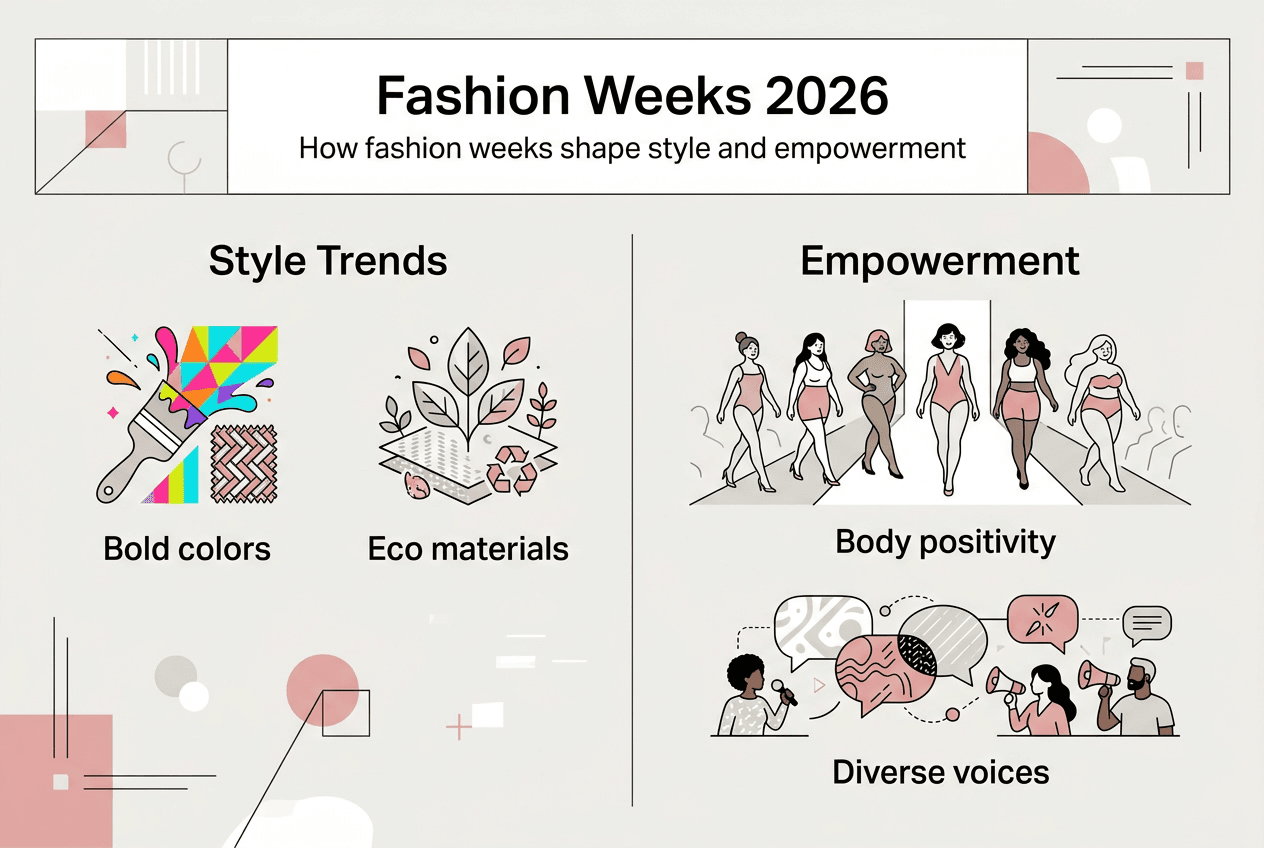
Pro Tip: When interpreting runway trends for your wardrobe, focus on translating the underlying concept rather than replicating exact looks. If oversized blazers dominate runways, consider how that relaxed silhouette works with your existing pieces and lifestyle needs. Extract the essence of the trend and adapt it to your personal style, budget, and daily context.
Fashion weeks have evolved into crucial platforms for advancing diversity and challenging homogeneous beauty standards that long dominated the industry. Diversity in fashion representation has become an essential focus, with runways increasingly showcasing models of varied ethnicities, body types, ages, and gender expressions. This shift reflects broader cultural demands for authentic representation and creates space for audiences to see themselves reflected in high fashion.
The increased visibility of diverse identities on fashion week runways carries profound implications beyond aesthetics. When women see models who share their body type, skin tone, or cultural background celebrated on prestigious platforms, it validates their beauty and worth. This representation helps dismantle narrow beauty ideals that have historically excluded many women from fashion’s aspirational narratives. The psychological impact of seeing oneself represented cannot be overstated, it builds confidence and encourages authentic self-expression.
Fashion activism has become integrated into runway presentations, with designers using their platforms to promote social causes and challenge injustice:
Fashion weeks contribute to women’s empowerment by celebrating identity and style as forms of personal agency. When women choose clothing that reflects their values, cultural heritage, or creative spirit, they exercise autonomy over their self-presentation. Fashion weeks that showcase diverse perspectives validate these choices and encourage women to reject conformity in favor of authenticity. This empowerment extends beyond individual confidence to collective cultural shifts in how women’s bodies, choices, and identities are valued.
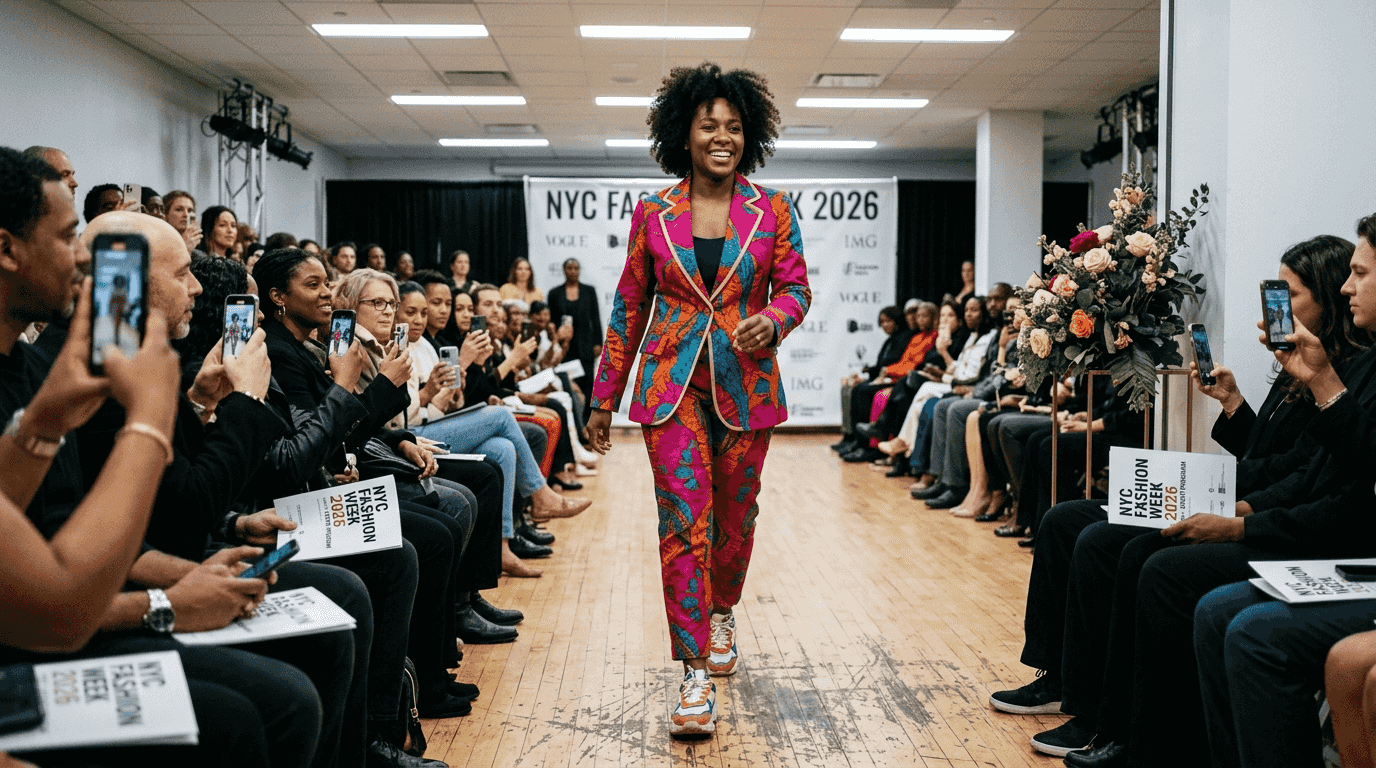
The fashion activism movement gaining prominence at fashion weeks demonstrates how style intersects with social change. Designers are increasingly conscious that their platforms carry responsibility beyond commerce. By addressing issues like body positivity, racial justice, and environmental sustainability, fashion weeks become sites of cultural progress rather than mere commercial spectacles. This evolution aligns with modern consumers’ expectations that brands take meaningful stances on social issues.
Pro Tip: Use fashion weeks as inspiration to cultivate your authentic style identity rather than chasing every trend. Notice which runway moments resonate with your values and aesthetic preferences. If a designer’s celebration of cultural heritage speaks to you, explore how to incorporate similar elements into your wardrobe in ways that honor your own background and story.
Fashion weeks offer valuable insights that modern women can leverage to enhance their wardrobes and boost confidence through intentional style choices. Understanding how fashion week trends translate to everyday wear can elevate your style authenticity and self-assurance. The key lies in filtering runway concepts through your personal lens rather than adopting trends wholesale.
Identifying which fashion week trends fit your individual style requires honest self-assessment and experimentation. Consider your lifestyle needs, body confidence, color preferences, and the image you want to project. A trend that dominates runways may not serve your daily reality if it conflicts with your comfort level or practical requirements. Conversely, a niche trend that resonates with your aesthetic might become a signature element of your personal style.
Adapting runway looks for everyday wear and professional settings involves strategic editing and context awareness. High fashion presentations intentionally push boundaries and create visual drama that wouldn’t translate directly to most real-world situations. Extract the core idea from a runway look and scale it appropriately. If dramatic volume defines a collection, incorporate that through a statement sleeve or wide-leg trouser rather than an entire avant-garde ensemble.
Building confidence through fashion alignment with personal values and empowerment themes creates authentic style that feels genuinely yours. When your clothing choices reflect what matters to you, whether sustainability, cultural pride, or creative expression, you project confidence that transcends superficial trends. This alignment between inner values and outer presentation generates the magnetic quality often described as personal style.
Practical styling tips from fashion weeks that enhance everyday confidence:
Authenticity remains paramount when incorporating fashion week inspiration into your personal style. Trends should enhance your existing aesthetic rather than override your identity. The most stylish women use fashion weeks as creative fuel while maintaining their distinctive point of view. Experiment with new ideas, but trust your instincts about what feels genuinely you versus what feels like costume.
Confidence grows when you develop a clear understanding of what works for your body, lifestyle, and personality. Fashion weeks provide a rich source of ideas, but your daily style choices should prioritize how clothing makes you feel over rigid trend adherence. The empowerment that comes from fashion is deeply personal, it emerges when your external presentation aligns with your internal sense of self.
Now that you understand fashion weeks’ broader cultural impact and practical applications, deepen your style knowledge with additional resources tailored for modern women. Fashion weeks showcase the intersection of luxury and accessibility, a balance you can explore further through guides on blending luxury and streetwear in your everyday wardrobe. These celebrity-inspired approaches make high fashion concepts wearable and relevant.
Beyond style, fashion weeks’ emphasis on identity and representation connects to broader women’s empowerment themes that shape modern life. Exploring how fashion intersects with confidence, career success, and personal fulfillment provides a holistic approach to style as self-expression. Understanding how trend reports shape style choices equips you to make informed wardrobe decisions that reflect both current aesthetics and timeless personal taste.
Fashion weeks are industry events held biannually in major cities where designers showcase their upcoming seasonal collections to buyers, media, and influencers. They happen to coordinate global fashion timing, allowing retailers to make purchasing decisions months before consumers shop. These events serve commercial, creative, and cultural purposes by setting trends, generating media coverage, and establishing designers’ brand identities within the competitive fashion landscape.
Runway shows introduce innovative concepts and styling approaches that filter down through retail markets over subsequent months. Media coverage and celebrity endorsements during fashion weeks multiply trend visibility, making certain styles seem ubiquitous and desirable. You adapt these trends by selecting elements that suit your personal aesthetic, lifestyle needs, and budget, creating a version of runway concepts that feels authentic to your individual style.
Fashion weeks increasingly promote diversity and inclusion by spotlighting designers and models representing varied identities, body types, and cultural backgrounds. This representation validates women’s diverse experiences and challenges narrow beauty standards that have historically excluded many. Empowerment emerges when women see themselves reflected in high fashion platforms and feel encouraged to embrace authentic self-expression through their clothing choices, building confidence that extends beyond appearance.
While the “Big Four” fashion weeks in New York, Paris, Milan, and London receive the most coverage, emerging fashion weeks in cities like Copenhagen, Seoul, and Lagos offer fresh perspectives increasingly relevant to modern style. Focus on fashion weeks whose aesthetic sensibilities align with your personal taste rather than prestige alone. Street style coverage from any fashion week often provides more immediately wearable inspiration than runway presentations, so explore diverse sources for ideas that resonate with your lifestyle.
Social media platforms, fashion publications’ websites, and designer brand accounts provide extensive real-time coverage of fashion week events accessible to anyone. Instagram and TikTok offer behind-the-scenes content, street style photography, and instant runway footage. Many designers live-stream their shows, democratizing access that was once limited to industry insiders. Following fashion editors, stylists, and influencers who attend fashion weeks gives you curated insights and trend analysis that makes the information digestible and actionable for your personal style journey.