Newsletter Subscribe
Enter your email address below and subscribe to our newsletter


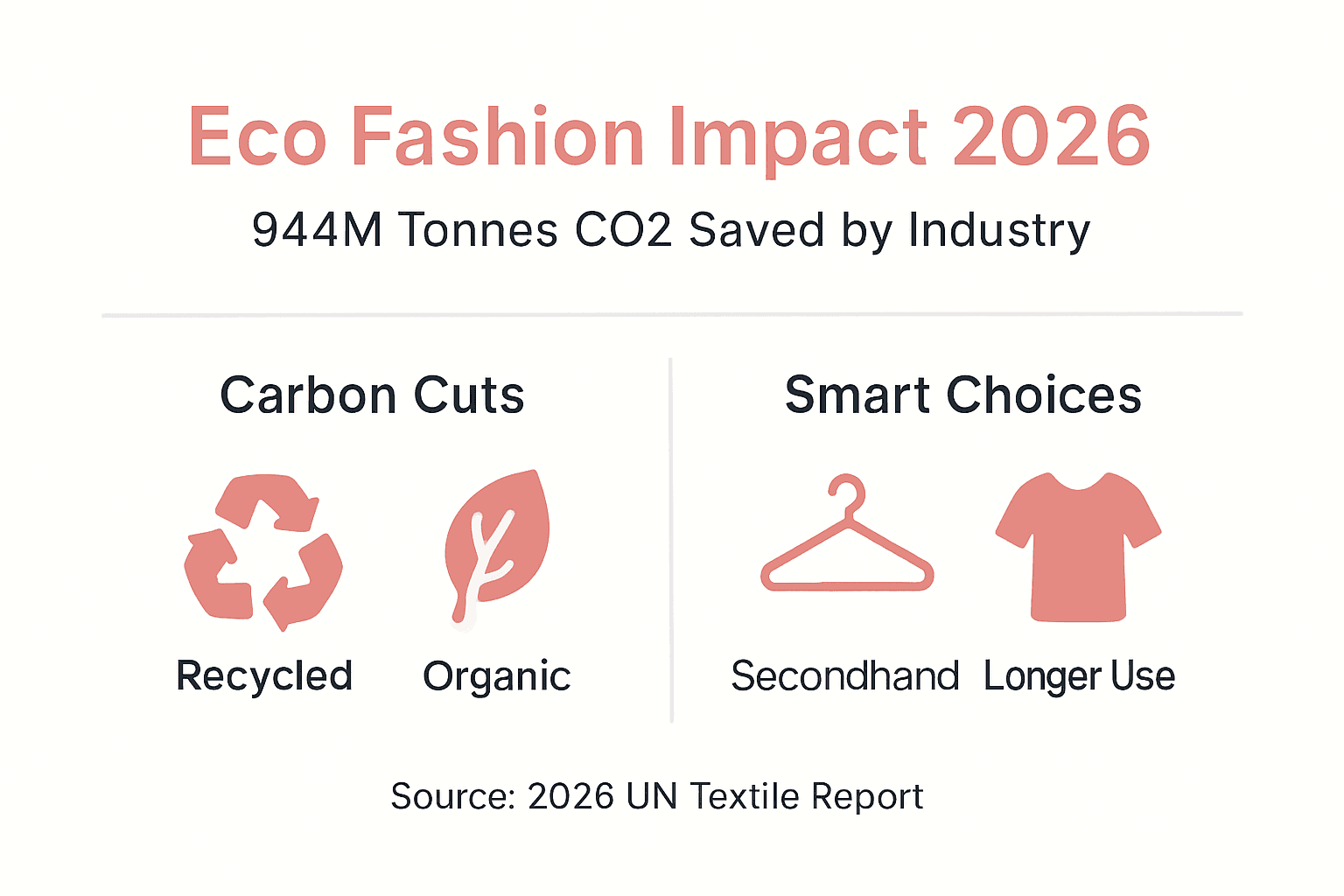
Discover how eco-friendly fashion cuts 944M tonnes CO2 in 2026. Learn to spot greenwashing, choose sustainable brands, and reduce your environmental impact through mindful style choices.
The fashion industry produced 944 million tonnes of CO2 equivalent in 2023, accounting for roughly 2% of global greenhouse gas emissions. This staggering footprint demands urgent attention from consumers who value environmental responsibility. Eco-friendly fashion offers tangible ways to reduce this damage through mindful choices, recycled materials, and circular practices. This guide cuts through marketing hype to clarify what sustainable fashion truly means, debunk common misconceptions, and equip you with practical strategies for making values-aligned fashion decisions that genuinely reduce environmental impact while reflecting your personal style and commitment to fashion influencers and trends.
| Point | Details |
|---|---|
| Fashion’s Carbon Impact | The industry emitted 944 million tonnes CO2e in 2023, contributing over 2% of global emissions with massive textile waste. |
| Resource Savings | Eco-friendly fashion drastically reduces water use, energy consumption, and microplastic pollution through recycled and organic materials. |
| Consumer Power | Your garment wear frequency directly impacts emissions; doubling usage cuts emissions 44% and undermines fast fashion waste. |
| Greenwashing Reality | 59% of sustainability claims lack verification, making transparency and third-party certifications essential for trust. |
| Actionable Change | Choosing certified, recycled, durable pieces and supporting circular practices empowers measurable environmental benefits. |
The fashion industry’s environmental toll extends far beyond carbon emissions. 85% of textiles produced annually end up in landfills or incinerated, with less than 1% recycled into new garments. This linear production model creates mountains of waste while depleting natural resources at unsustainable rates.
Synthetic fabrics compound the problem through microplastic pollution. Washing synthetic clothing releases microplastics that contribute 20% to 35% of primary marine microplastic sources, contaminating oceans and entering food chains. Each laundry cycle releases thousands of plastic fibers too small for filtration systems to catch.
Fast fashion accelerates this environmental crisis through several mechanisms:
Understanding these facts reveals why eco-conscious fashion choices matter beyond personal style. Your wardrobe decisions directly influence industry practices, resource consumption, and pollution levels. Recognizing fashion’s broader impact on women and the environment creates urgency for sustainable alternatives. The fashion industry’s emissions trajectory demands immediate consumer action to force systemic change.
Conventional fashion production drains natural resources at alarming rates. Producing one cotton t-shirt requires approximately 2,700 liters of water, while jeans demand between 3,781 and 7,500 liters. These figures represent just water consumption, excluding energy use, chemical treatments, and transportation emissions.
Recycled materials offer dramatic environmental improvements. Recycled cotton saves 14,740 liters of water and prevents 23 kg of CO2 emissions per kilogram produced compared to virgin cotton. These savings multiply across entire garment production cycles, creating measurable impact.
| Material Type | Water Usage (liters/kg) | CO2 Emissions (kg/kg) | Resource Intensity |
|---|---|---|---|
| Virgin Cotton | 10,000+ | 23+ | Very High |
| Recycled Cotton | ~260 | <1 | Low |
| Organic Cotton | 7,000-8,000 | 18-20 | Moderate |
| Recycled Polyester | 50-100 | 3-5 | Low |
Eco-friendly fashion tackles multiple environmental challenges simultaneously:
The benefits of recycled materials extend beyond individual garments to entire supply chains. Brands prioritizing recycled content reduce extraction pressure on finite resources while diverting waste from landfills.
Pro Tip: When updating fashion sustainably, prioritize garments listing recycled content percentages on labels. A single recycled polyester jacket can prevent 20+ plastic bottles from entering landfills while using 59% less energy than virgin polyester production.
How you wear fashion matters as much as what you buy. Fast fashion items worn fewer than five times emit over 400% more carbon annually than long-lasting garments worn regularly. This statistic reveals the hidden environmental cost of impulse purchases and trend chasing.
Extending garment lifespan creates exponential environmental benefits. Doubling garment usage can reduce emissions by 44%, transforming your wardrobe into a climate action tool. Simple practices like proper care, timely repairs, and versatile styling maximize this impact.
Consumer demand increasingly drives industry transformation. 73% of millennials are willing to pay more for sustainable brands, signaling market readiness for eco-conscious options. This purchasing power pressures brands to adopt transparent, responsible practices or risk losing market share.
Your fashion choices influence broader systems through several pathways:
Mindful consumption patterns multiply impact beyond individual wardrobes. When you choose quality over quantity, you reduce production demand, waste generation, and resource extraction simultaneously. Your consumer fashion choices ripple through supply chains, influencing manufacturer priorities and retail offerings.
Pro Tip: Build a capsule wardrobe with 30-40 versatile, high-quality pieces that mix easily. This approach naturally increases wear frequency per garment while reducing total consumption and simplifying daily styling decisions.
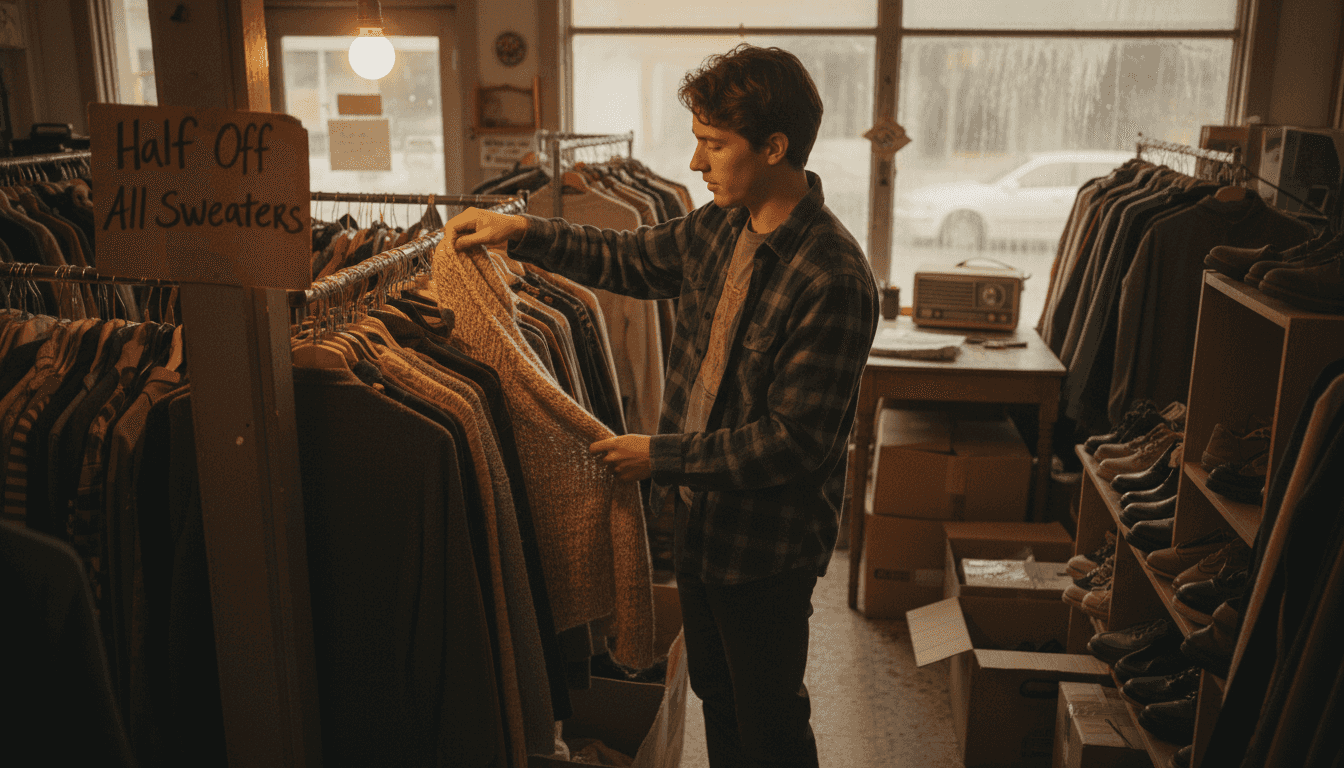
Sustainable fashion myths create barriers to eco-conscious shopping. Many assume ethical fashion remains prohibitively expensive or limited to niche boutiques. Reality shows affordable sustainable options exist across price points, especially through secondhand markets, rental services, and value-focused eco-brands prioritizing longevity over trends.
Sustainability encompasses far more than organic cotton. Recycled synthetics, regenerative agriculture, circular business models, and fair labor practices all contribute to genuinely sustainable fashion systems. Fixating solely on fabric origin ignores critical factors like production energy, chemical use, and end-of-life disposal.
Greenwashing poses serious challenges for conscious consumers. 59% of sustainability claims in fashion are vague or unverifiable, using terms like “eco-friendly” or “conscious” without substantiation. This deceptive marketing exploits consumer values while providing minimal environmental benefit.
| Misconception | Reality |
|---|---|
| Sustainable fashion is always expensive | Secondhand, rental, and value eco-brands offer affordable options; durability reduces long-term costs |
| Only natural fibers are sustainable | Recycled synthetics and innovative materials like Tencel offer strong sustainability profiles |
| All “green” marketing is trustworthy | 59% of claims lack verification; seek third-party certifications like GOTS, Fair Trade, or B Corp |
| Sustainable fashion means sacrificing style | Modern eco-brands prioritize design alongside ethics, offering trendy and timeless options |
Developing greenwashing immunity requires scrutiny. Look beyond marketing language to concrete evidence: material breakdowns, supply chain transparency, third-party certifications, and measurable impact reports. Brands genuinely committed to sustainability provide detailed information rather than vague buzzwords.
Understanding sustainability nuances in fashion empowers informed decisions. Question brands about production locations, worker conditions, material sourcing, and end-of-life programs. Authentic sustainable brands welcome these inquiries and provide transparent answers. The prevalence of fashion greenwashing statistics demands consumer vigilance to drive genuine industry accountability.
Navigating sustainable fashion markets requires practical evaluation strategies. These steps help you identify genuinely eco-friendly brands and products while avoiding greenwashing traps:
Verify Certifications: Look for recognized third-party labels like Global Organic Textile Standard (GOTS), Fair Trade Certified, OEKO-TEX, or B Corporation status indicating verified sustainability standards.
Check Material Composition: Prioritize garments with high percentages of recycled content, organic fibers, or innovative sustainable materials like Tencel, hemp, or recycled polyester clearly listed on labels.
Assess Transparency: Choose brands providing detailed supply chain information, including production locations, factory conditions, and environmental impact measurements on their websites.
Support Circularity: Buy secondhand through consignment shops, online resale platforms, or clothing swaps. Less than 1% of textiles are recycled into new garments, making reuse critical for fashion circularity statistics improvement.
Prioritize Durability: Select well-constructed garments with quality stitching, reinforced seams, and timeless designs that withstand multiple seasons of wear rather than single-trend cycles.
Research Labor Practices: Investigate brand commitments to fair wages, safe working conditions, and worker empowerment alongside environmental criteria for holistic sustainability.
Embrace Repair Culture: Learn basic mending skills or support local tailors to extend garment lifespans. Visible mending has become a style statement celebrating longevity over disposability.
Applying these criteria while spotting sustainable fashion trends helps you build an eco-conscious wardrobe without sacrificing personal style. Stay informed about emerging sustainable fashion trends 2026 that balance aesthetics with environmental responsibility.
Sustainable fashion delivers measurable environmental benefits through reduced emissions, minimized waste, and decreased pollution. The data clearly demonstrates how consumer choices directly influence industry practices and planetary health. Your purchasing decisions, wear habits, and disposal methods collectively shape fashion’s future trajectory.
Informed decision-making empowers values-aligned style without compromise. Understanding the difference between genuine sustainability and greenwashing protects your investment while supporting brands driving real change. Every mindful purchase and extended garment lifespan contributes to systemic transformation.
Begin your sustainable fashion journey through manageable steps:
Your fashion choices ripple outward, influencing manufacturing priorities, retail offerings, and cultural norms around consumption. Small, consistent actions compound into significant impact over time. Embrace empowering sustainable lifestyles that honor both personal expression and planetary boundaries.
Ready to transform your fashion approach with expert guidance? Woman Edit offers curated resources helping you spot sustainable fashion trends 2026 while building a wardrobe reflecting your values. Our comprehensive fashion trends guide 2026 connects style evolution with environmental responsibility.
Discover practical strategies for updating your closet sustainably, identifying genuinely eco-friendly brands, and making fashion choices that empower both your style and the planet. Join our community of women committed to fashion that respects people, planet, and personal expression. Explore our women empowerment guide for holistic approaches to sustainable, values-driven living across all lifestyle dimensions.
Look for third-party certifications like GOTS, Fair Trade, or B Corp status that verify sustainability claims through independent audits. Check brand websites for detailed supply chain transparency, including factory locations, material sourcing, and measurable environmental impact reports rather than vague marketing language.
Not necessarily. While some sustainable brands command premium prices for quality and ethics, secondhand shopping, clothing rental, and value-focused eco-brands offer affordable alternatives. Durable sustainable garments often cost less long-term through extended lifespans compared to cheap fast fashion requiring frequent replacement.
Explore online resale platforms like ThredUp, Poshmark, or Depop for secondhand designer and eco-brand pieces at reduced prices. Local thrift stores, consignment shops, and clothing swaps provide budget-friendly sustainable options. Many mainstream retailers now offer affordable recycled-content collections alongside premium sustainable lines.
Prioritize Global Organic Textile Standard (GOTS) for organic fibers, Fair Trade Certified for ethical labor, OEKO-TEX for chemical safety, and B Corporation for overall business sustainability. Bluesign certification indicates responsible chemical management, while Cradle to Cradle assesses full lifecycle environmental impact from production through disposal.
Start by maximizing your existing wardrobe through creative styling, proper care, and timely repairs to extend garment lifespans. Replace items only as needed, prioritizing quality sustainable pieces that complement your current collection. Apply the 30-wear test before purchasing, asking whether you’ll genuinely wear an item at least 30 times to ensure value and reduce impulse buying. Spot sustainable fashion trends that align with your existing aesthetic for seamless integration.