Newsletter Subscribe
Enter your email address below and subscribe to our newsletter


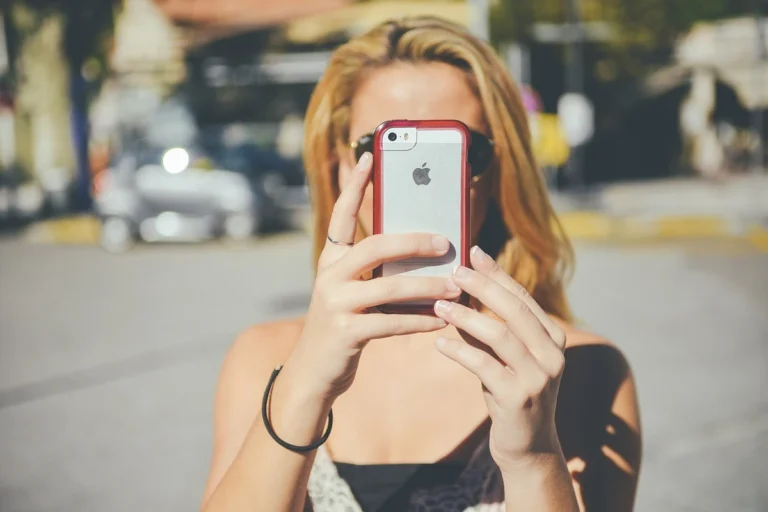
A swipe right led to unthinkable horror. This brutal reality of dating apps shatters the illusion of safety, exposing the deadly risks hidden in plain sight.
A simple swipe, a digital flicker of interest, and for one 35-year-old mother-of-three, it ended in unthinkable horror. Her casual search for connection on a dating app became a death sentence, not just for her, but for her father too. This isn’t a cautionary tale from a bygone era; this is the brutal reality of our hyper-connected world, where the pursuit of companionship can lead to a deadly ambush right in your own community.
The details are stark, a cold shower for anyone who has ever scrolled through profiles looking for love, or even just a good time. A woman, a mother, in the prime of her life, meets a man online.

What follows isn’t a bad date or a ghosting. It’s murder. Not just of her, but of her father, who, in a desperate act of protection, became another victim.
This isn’t just a crime story; it’s a profound breach of trust, a violent shattering of the illusion of safety that digital platforms often tout, but rarely guarantee.
Dating apps have normalized the process of meeting strangers. They’ve made it seem so easy, so efficient, even a bit thrilling.
But behind the curated profiles and witty bios, the fundamental risk remains: you are inviting an unknown entity into your life. For women, this risk is often amplified.
We’re conditioned to be polite, to give people the benefit of the doubt, to handle social situations with a delicate balance of openness and self-preservation. But when the person on the other side is predatory, those instincts can be weaponized against us.
The convenience of a “swipe right” masks the stark reality of human nature, which hasn’t evolved to match the speed of our technology. We’re still dealing with the same capacity for malice and deception that existed long before smartphones.
And let’s be brutally honest: the platforms themselves do little to truly vet users beyond superficial checks. Their primary motive is engagement and subscription revenue, not your personal safety.
They’ll issue “safety tips” as a PR shield, but the real responsibility for vetting users is dumped squarely on you. The convenience they offer comes with an unpriced cost of potentially catastrophic risk, and they know it.
They’ve created a digital wild west, and when someone gets murdered, they’ll offer condolences and then go right back to optimizing for the next swipe. The money is in the matches, not in preventing the tragedies. They facilitate introductions, then often seem to wash their hands of the consequences, leaving you to move through a digital minefield largely on your own.
The tragedy of this mother and her father serves as a visceral reminder that personal safety must be paramount, especially for women using these apps. It means doing your own due diligence, no matter how inconvenient.
It means telling friends and family who you’re meeting, where, and when. It means trusting your gut, even if it feels rude to cut a date short or refuse to go somewhere private.
It means understanding that while the apps offer a veneer of social acceptability, they are still a conduit for meeting people about whom you know very little.
Beyond just informing friends, consider using location-sharing features on your phone. Always meet in a public, well-lit place for your first few dates. Never accept a ride from someone you’ve just met online, or go to their home.
A simple video call before meeting in person can offer a crucial first impression and help you spot red flags that photos might hide. Remember, your safety isn’t about being paranoid; it’s about being prepared and assertive.
It’s perfectly acceptable to end a date early if you feel uncomfortable, no explanation needed. Your intuition is a powerful tool – listen to it.
The emotional toll of such a tragedy extends far beyond the immediate victims, leaving indelible scars on children, families, and entire communities. It fosters a pervasive fear, a deep-seated distrust in the very mechanisms designed to bring people together.
But while the risks are real and the platforms’ accountability often lacking, your agency in protecting yourself is paramount. This isn’t about retreating from connection, but about approaching it with eyes wide open and a fierce commitment to your own well-being. What steps will you take today to ensure your next swipe is a safe one?
Photo: Wikimedia Commons (query: Swipe right)
Source: Google News