Newsletter Subscribe
Enter your email address below and subscribe to our newsletter


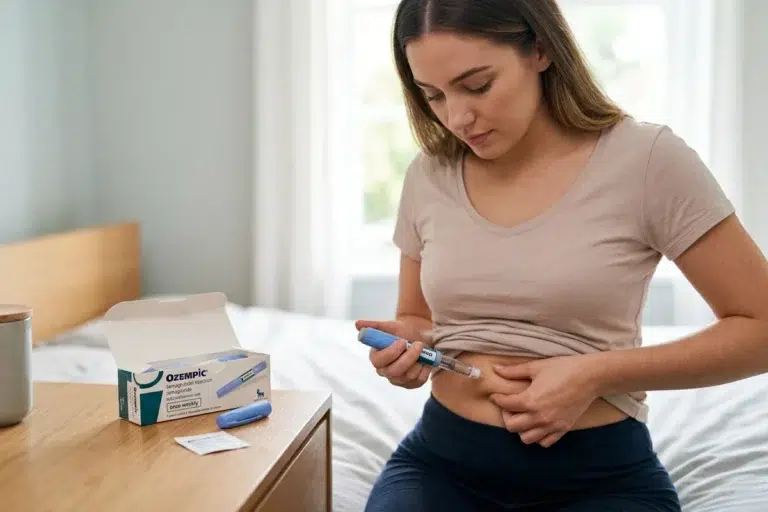
Ozempic side effects are brutal, but experts reveal cheap remedies and one miracle food to ease discomfort, letting you lose more weight.
Ozempic offers life-changing weight loss for many, but let’s be honest: the side effects can be brutal. Nausea, vomiting, diarrhea – they’re not just uncomfortable; they can derail your entire journey. So, when I heard about the new “Ozempic survival kit” promising to make higher doses more bearable, my immediate thought was, “Is this true relief, or just a clever way to push us further?”
Suddenly, experts are championing a new strategy for GLP-1 users. They’re suggesting that simple, affordable drugstore remedies can drastically ease those notorious side effects. The implication is clear: if you can manage the discomfort, you’re more likely to stay on the drug, and ultimately, reach those higher, more effective doses.

Ozempic and its GLP-1 cousins are powerful tools for weight management. But they come with a significant catch: the often-debilitating side effects.
Imagine this: up to 50% of users grapple with nausea, 35% experience diarrhea, 20% are plagued by vomiting, and 15% struggle with constipation. These aren’t just minor inconveniences; they can make daily life feel impossible. And here’s the kicker: these issues only intensify as you increase your dose.
It’s no wonder so many people throw in the towel before hitting their weight loss goals. This “survival kit” isn’t just about comfort; it’s designed to keep you in the game, chasing that elusive dose-dependent weight loss.
The good news is, doctors and dietitians are now outlining a practical toolkit of cheap, accessible fixes. These aren’t magic bullets, but they are smart, proactive steps you can take to manage the most common Ozempic complaints. Think of them as your everyday lifelines, not just something to reach for when you’re already suffering.
Among all these remedies, ginger truly shines. I’ve heard it called the “miracle food” for GLP-1 users, and for good reason.
Ginger boasts incredible anti-nausea properties, making those waves of sickness much more manageable. Whether you prefer fresh ginger tea, chewy ginger candies, or even a sugar-free ginger ale, this natural root is a powerful ally.
It tackles one of the most disruptive side effects head-on, and best of all, it’s affordable, easy to find, and genuinely effective. No wonder it’s a cornerstone of this “survival kit.”
This brings us to the crucial question: do these remedies truly make higher doses safe and tolerable, or are we just slapping a band-aid on the symptoms? Dr. Elena Rodriguez, a respected endocrinologist, offers her perspective:
“We often tell patients about side effects, but not enough about how to truly manage them. This ‘survival kit’ approach is about giving them the tools to stay on track.”
It’s about making the journey less daunting, she suggests. Registered dietitian Sarah Chen echoes this sentiment, highlighting the simplicity and consistency:
“Simple ginger chews or a daily fiber supplement made a world of difference. It’s not about expensive solutions, but consistent, smart choices.”
And the proof is in the patients’ stories. Maria P., who nearly gave up, shares her experience:
“I almost gave up because of the nausea, but once I started using ginger and keeping electrolyte drinks on hand, it became so much more manageable. Now I’m at a higher dose and seeing amazing results.”
These personal anecdotes certainly paint a picture of genuine relief.
Here’s where things get a little tricky. Better management of side effects directly translates to higher adherence.
And higher adherence means patients can indeed tolerate — and reach — higher doses. We’re talking about doses like 2.4mg of semaglutide, which typically leads to a significant 15-17% total body weight loss. Let’s be clear: *this* is the ultimate goal for many pharmaceutical companies and prescribers.
But not everyone is cheering. Critics are raising serious red flags, arguing that this “kit” is less about patient well-being and more about pushing people to their limits.
They see it as coaching tolerance, potentially fueling an unhealthy obsession with weight loss and ignoring the very real risks of off-label use or muscle wasting at these elevated doses. Are we truly prioritizing health, or just the numbers on the scale?
Yes, these drugstore remedies can undeniably improve adherence and make the Ozempic journey more bearable. They offer practical solutions to genuine discomfort.
But let’s not pretend this is *solely* about patient comfort. There’s an undeniable undercurrent here: it’s also about maximizing drug usage, enabling that relentless pursuit of double-digit weight loss.
The “survival kit” might ease the ride, but it also facilitates a potentially aggressive push for more, more, more. As a beauty and wellness expert, I have to ask: at what cost? And is this truly the healthiest, most sustainable path for *everyone* seeking a better body?
Photo: Wikimedia Commons (query: GLP side)
Source: Google News