Newsletter Subscribe
Enter your email address below and subscribe to our newsletter


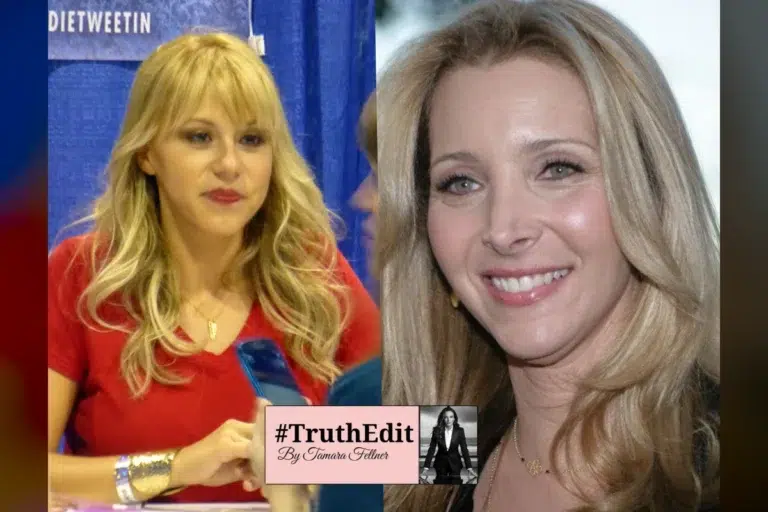
A Full House star's shocking residual pay exposes Hollywood's brutal contract truths. Why do some get millions while others get pennies?
Imagine this: one beloved sitcom star, whose face graces screens daily, gets pennies in residual checks. Another, from an equally iconic show, rakes in a cool $20 million annually from reruns. This isn’t just a difference in zeroes, darling; it’s a gaping chasm that exposes the brutal truth of power, timing, and cutthroat contracts in Tinseltown.
You’ve probably heard the whispers, then the shouts. A beloved star from the iconic family sitcom Full House recently pulled back the curtain, revealing residual payments so laughably small they barely register.

We’re talking pennies, folks – a few hundred bucks here, maybe a grand there. This isn’t some struggling indie actor hoping for a break; this is someone whose face is plastered across streaming platforms and cable reruns for generations.
Your kids are watching them right now on Max, and the studio? They’re laughing all the way to the bank, raking in billions.
Now, let’s contrast that with the well-worn tale of the Friends six – Jennifer Aniston, Courteney Cox, Lisa Kudrow, Matt LeBlanc, Matthew Perry, and David Schwimmer.
You know the drill: Lisa Kudrow herself reportedly let slip just how sweet their deal is. Each of them, all six, still pulls in roughly $20 million a year.
Twenty. Million. Annually. From a show that ended two decades ago!
Warner Bros. Discovery reportedly pockets about $1 billion a year from Friends syndication and streaming rights, and those six actors get a cool 2% of that. That’s not just a good deal; it’s a legendary, once-in-a-lifetime, change-your-lineage deal.
This isn’t rocket science, darling; it’s leverage. Pure, unadulterated, contractual muscle.
The Friends cast famously banded together at the absolute peak of their power in the late 90s. They walked into negotiations as a united front, demanding not just astronomical salaries but a significant piece of the backend.
They understood their collective worth, and they had the grit – and the ratings – to force the studio’s hand. It was an unprecedented move, a masterclass in negotiation, and it paid off beyond anyone’s wildest dreams.
The Full House cast? Bless their hearts, they were simply playing a different game.
Their show ran from ’87 to ’95, long before streaming was even a twinkle in a tech bro’s eye. Their contracts, like most from that era, were designed for a world of limited broadcast reruns and VHS sales, not endless global syndication and streaming on demand.
Residuals back then were typically a declining percentage of original salary for a finite number of airings. Who could have possibly predicted that a show about a goofy widower, his three adorable daughters, and two quirky uncles would become timeless comfort viewing, generating untold, untaxed profits for decades?
The studios, darling. Always the studios.
While the Full House actors are getting what amounts to pocket change – barely enough for a week’s groceries in LA – their iconic faces are still working overtime, pulling in subscribers and ad revenue for the media giants.
The show’s enduring popularity, fueled by potent nostalgia and new generations discovering it on repeat, is a veritable goldmine for the content owners.
But the performers who actually created that magic, who brought those beloved characters to life? Many are locked into contracts from a bygone era, watching their life’s work enrich others while they get a pittance. It’s a cruel irony, isn’t it?
This isn’t about blaming the Friends cast for their brilliant foresight and collective power; it’s about exposing the fundamental flaws in the system.
The argument from the studios is always the same, a tired refrain: “A deal’s a deal.” Legally binding, signed under the prevailing conditions of a vastly different media landscape.
And while that’s technically true, it willfully ignores the seismic, earth-shattering shift in how content is consumed and monetized today.
Streaming platforms feast on this legacy content, often paying a single, fat licensing fee to the studio, which then trickles down to actors in significantly diminished residual checks – if it trickles at all. It’s a digital land grab, and the original creators are often left out in the cold.
Red Marker Verdict: Let’s be brutally honest, darling. This isn’t a story about fairness; it’s a masterclass in Hollywood’s cutthroat pecking order and the brutal economics of fame.
The Friends cast, through sheer collective power and savvy negotiation, built an empire for themselves that continues to pay out handsomely.
The Full House stars, like countless others from their era, are victims of unfortunate timing and a system that ruthlessly prioritizes studio profits over long-term performer compensation for enduring, beloved work.
Your favorite shows might feel like family, a comforting hug on a rainy day, but in Hollywood, it’s always, always business.
And if you didn’t grab your rightful piece of the pie when you had the leverage, you’re just watching everyone else feast on it now.
The studios will always make sure they’re the ones laughing all the way to the bank, even if it’s on the backs of beloved characters from decades past. So, the next time you stream an old favorite, remember whose pockets are truly getting fat.
Source: Google News