Newsletter Subscribe
Enter your email address below and subscribe to our newsletter

Enter your email address below and subscribe to our newsletter

Explore the influence of pop culture trends on women’s fashion, entertainment, mental health, and social issues. Analyze celebrity effects and empowerment.
Scrolling through TikTok, you might spot a new dance or bold fashion trend, but pop culture is about much more than viral moments and celebrity headlines. For many young women, these trends shape everyday identity, spark global conversations, and reflect deeper changes in society. By unpacking the shared practices, trends, and expressions with mass appeal, you’ll see how pop culture influences mental health, challenges social norms, and gives you a space to engage and express yourself on your own terms.
| Point | Details |
|---|---|
| Understanding Pop Culture | Pop culture reflects collective values and influences identity, showing how society communicates. Awareness of trends helps individuals recognize their own consumer choices and identity formation. |
| Impact of Digital Platforms | Different platforms shape engagement and trend dissemination uniquely, making it essential to track trends across various mediums to grasp their implications fully. |
| Celebrity Influence | The boundary between celebrity and influencer has blurred; authenticity and relatability drive influence more than traditional celebrity status. |
| Mental Health Representations | Media portrayals of mental health can validate experiences or perpetuate stigma, underscoring the importance of critical consumption of pop culture narratives. |
Pop culture isn’t just celebrity gossip or the latest TikTok dance. Pop culture encompasses shared practices, trends, and expressions with mass appeal, including music, television, movies, literature, fashion, and social media. It’s the stuff we collectively consume, talk about, and create together. What makes it pop culture rather than niche content is accessibility—it reaches millions instantly.
You’ve probably noticed how fast trends move now. Popular culture reflects everyday experiences and the language we actually use, not what academics or gatekeepers decide is “important.” The internet and social media transformed everything by enabling instant sharing and user participation. A trend that starts in one corner of the internet can reach the other side of the world in hours.
Here’s where misconceptions start creeping in:
Pop culture isn’t a guilty pleasure to apologize for—it’s a real reflection of how we communicate and connect as a society.
The distinction between pop culture and “high culture” (classical art, literature, opera) used to be rigid. That line blurs constantly now. A Netflix series sparks academic discussions. A rapper’s lyrics are studied in universities. Fashion worn by influencers influences designers. These boundaries are disappearing because pop culture genuinely shapes how we think and live.
Why does this matter for your life? Because understanding pop culture trends helps you recognize what’s influencing your choices, opinions, and identity. You’re not passively consuming trends—you’re living in them, and they’re shaping your values whether you acknowledge it or not.
Pro tip: When a new trend emerges, pause for 48 hours before fully engaging. This gives you time to see what it actually represents rather than reacting to the hype, helping you engage with trends more intentionally.
Pop culture doesn’t hit the same way across all platforms. Fashion trends, entertainment choices, and media consumption vary wildly depending on where you’re getting your content. What’s trending on TikTok might not register on Netflix. What dominates Instagram feeds could be invisible on traditional television. Understanding these variations helps you see how pop culture actually works in your life.
Fashion has become inseparable from digital platforms. Streaming services influence fashion trends with immediacy and visual impact. When you watch a visually stunning series, those costumes become your wardrobe inspiration. TikTok takes it further—trends like Y2K aesthetics and cottagecore explode overnight, driven by users creating, remixing, and sharing. Meanwhile, fashion influencers build empathetic relationships with brands, especially with younger audiences, turning recommendations into purchasing decisions.
Entertainment consumption has fundamentally shifted:
The real power isn’t in any single platform—it’s in how they interconnect, amplifying certain trends while burying others.
Nostalgic revivals show how media cycles work across generations. The 1990s and 2000s styles dominating 2024 fashion didn’t happen randomly. Streaming nostalgia content, celebrity endorsements on social media, and TikTok creators remixing Y2K aesthetics created a perfect storm. Gen Z discovered these trends through social media, Gen X and millennial audiences engaged through streaming services, and suddenly vintage clothing became the hottest commodity.
Celebrities play different roles depending on the platform. On Instagram, they curate aspirational lifestyles. On TikTok, they participate in trending dances and challenges. On Netflix, they star in content that shapes fashion directly through costume design. This fragmentation means your role model might present completely different versions of themselves across platforms.
Here’s a quick comparison of how pop culture operates differently on major digital platforms:
| Platform | Audience Engagement Style | Influence on Trends | Typical Celebrity Role |
|---|---|---|---|
| TikTok | Interactive, trend-driven | Viral challenges spread fast | Participates in dances, memes |
| Curated, visual inspiration | Lifestyle and fashion shape | Showcases aspirational moments | |
| Netflix | Passive, story consumption | Costumes inspire fashion | Acts in series affecting pop style |
| Traditional TV | Scheduled, appointment viewing | Slower impact on trends | Portrayed as established authority |
Pro tip: Track a trend across multiple platforms for one week to see how it transforms. You’ll notice fashion looks different on TikTok versus Instagram, and entertainment recommendations shift based on algorithm. This awareness helps you distinguish between genuine trends and algorithm-driven hype.
Celebrities used to have gatekeepers. Studios controlled their image, publicists managed their messaging, and distance created mystique. That world is gone. Social media flattened the hierarchy between celebrity and audience, and now influence works completely differently than it did just a decade ago.
The line between celebrity and influencer has blurred dramatically. Social media influencers have significant advertising impact, often matching traditional celebrities in effectiveness. Mega-influencers tend to be more persuasive because they’ve built authentic-feeling communities around themselves. Your favorite TikTok creator might have more sway over your purchasing decisions than an A-list actor because they feel accessible, relatable, and honest.
Why does this matter to you? Because influence now operates on multiple levels:
Credibility and follower count are what actually determine whether someone can influence your choices, not their celebrity status or traditional credentials.
The psychology is more complex than simple advertising. Trust, brand image, and influencer authenticity deeply affect purchasing decisions, even when audiences claim skepticism about influencer marketing. You might say you don’t trust influencers, but then you buy the exact product they recommended because their recommendation felt genuine, personal, and aligned with your values.
Gen Z and younger millennials have grown up with this dynamic. You evaluate credibility differently than previous generations. Traditional celebrity feels distant and scripted. Influencers who admit struggles, show behind-the-scenes mess, and engage authentically feel more trustworthy, even when you rationally know they’re still marketing something.
The transparency challenge is real though. Online communities for women often discuss the ethical tensions around influencer culture—the pressure to disclose sponsorships, the fine line between authentic sharing and manufactured relatability, and the psychological toll of constant performance.
Pro tip: Before following an influencer or making a purchase based on their recommendation, spend three minutes checking their most recent posts for transparent sponsorship disclosures. This habit trains you to recognize when influence is happening and helps you distinguish between genuine recommendations and paid partnerships.
Pop culture doesn’t just entertain you—it actively shapes how you see yourself and your mental health. The shows you watch, the celebrities you follow, and the trends you engage with send constant messages about what’s normal, what’s desirable, and what’s broken. These messages stick with you in ways you might not consciously recognize.
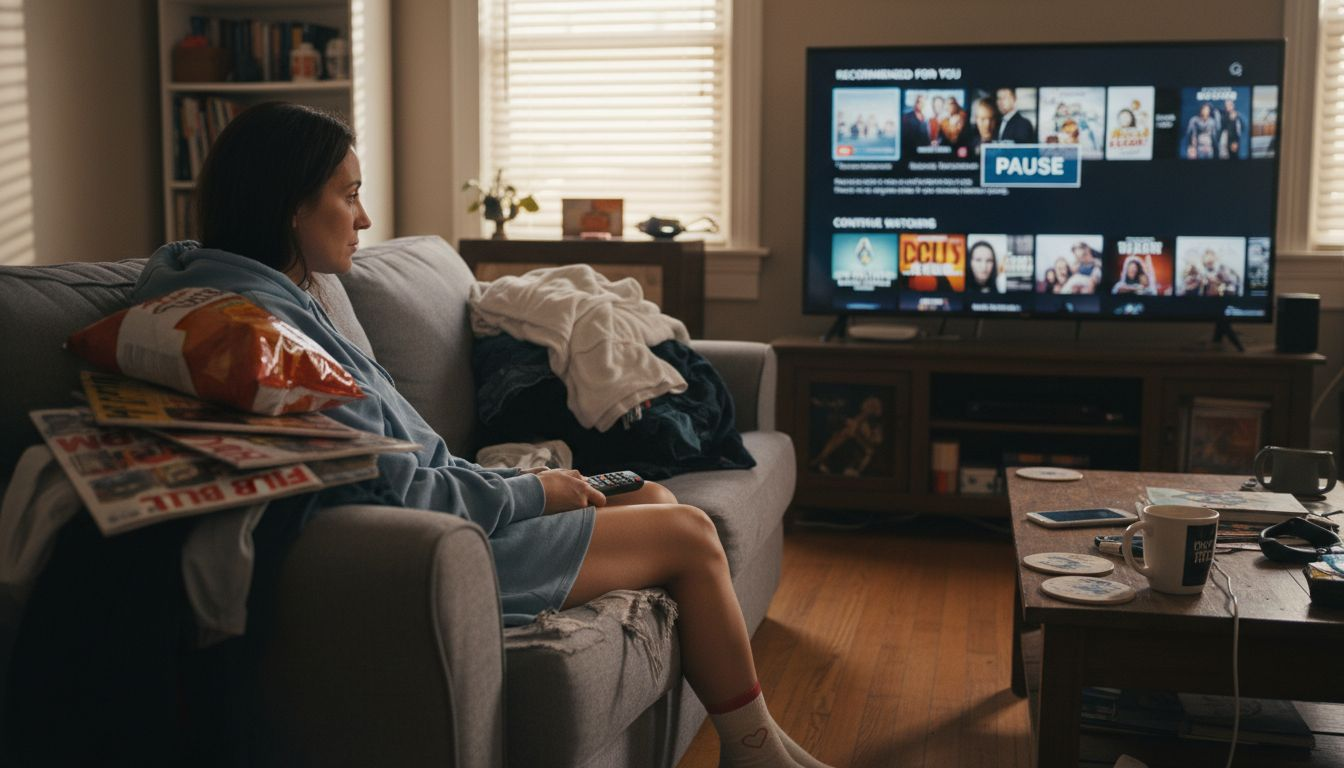
Mental health representation in pop culture is complicated. Media portrayals influence public perceptions of psychiatric conditions, sometimes raising awareness and sometimes deepening stigma. When a Netflix series shows depression realistically, it validates your experience. But when a movie portrays anxiety as a quirky personality trait or mental illness as violent behavior, it reinforces harmful stereotypes that make you less likely to seek help.
The impact operates on multiple levels:
Young adults increasingly form their mental health perceptions based on media representations they consume daily, often without realizing the influence.
Celebrities sharing their mental health struggles has real power. When someone you admire publicly discusses therapy, medication, or diagnosis, it normalizes these conversations. But there’s complexity here too. Popular culture media shapes young adults’ perceptions of mental health through prevalent themes and stereotypes, sometimes creating unrealistic expectations about recovery or perpetuating misconceptions.
Your identity formation is deeply entangled with pop culture. You might adopt aesthetic styles from trends, adjust your values based on celebrity activism, or question your sexuality after consuming certain media. This isn’t shallow—it’s how young adults explore who they are. But constant exposure to curated, filtered versions of life can distort your self-image and create impossible standards.
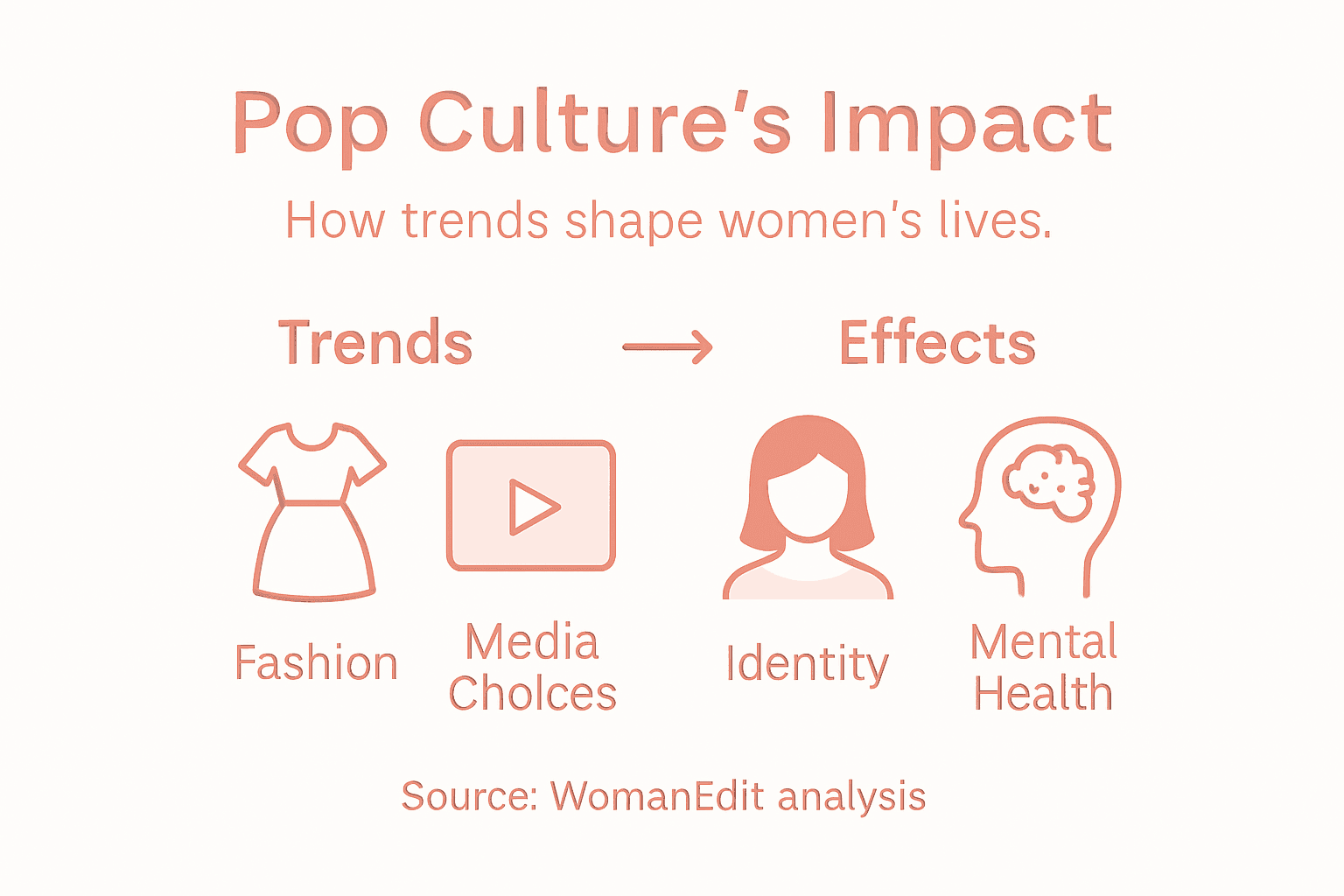
The comparison trap is real. Seeing influencers who appear to have perfect mental health, flawless bodies, and meaningful lives can trigger anxiety and depression in you, even when you intellectually know their content is edited and selective.
The following table summarizes positive and negative effects of pop culture on mental health and identity:
| Effect Type | Examples from Pop Culture | Impact on Individuals |
|---|---|---|
| Positive | Authentic mental health stories | Increases empathy, normalizes struggles |
| Negative | Unrealistic beauty standards | Encourages insecurity, comparison trap |
| Ambiguous | Influencer storytelling | May inspire or pressure audiences |
| Empowering | Diverse, female-led narratives | Expands identity options, boosts confidence |
Pro tip: Audit your media diet monthly by listing the shows, influencers, and content you consumed most. Reflect on how each made you feel about your body, mental health, and identity. If something consistently leaves you feeling worse about yourself, unfollow, unsubscribe, or limit your exposure—your mental health is worth it.
Pop culture presents a paradox for women. It’s simultaneously a space where you’re objectified and a platform where you can build power. The same Instagram algorithm that pushes unrealistic beauty standards also amplifies women’s voices calling for justice. Understanding this duality helps you navigate it strategically rather than passively absorbing everything.
The challenge is real and multifaceted. Media and popular culture can advance or impede women’s empowerment depending on how representations are framed and who controls the narrative. Advertising still peddles traditional gender roles. Reality television rewards pettiness and appearance-obsession. But simultaneously, television shows center female protagonists, podcasts discuss systemic inequality, and TikTok creators build movements around body positivity and mental health.
The key challenges women face in pop culture:
Women’s visibility in pop culture is increasing, but visibility alone doesn’t equal empowerment if you’re still being portrayed through limiting or harmful lenses.
The Renaissance is happening though. A female-led renaissance in entertainment challenges traditional stereotypes and creates space for authentic female narratives. Women creators are producing content on their own terms. Female characters are complex, flawed, and powerful. Conversations about gender, sexuality, and power are happening in mainstream media.
Your empowered response starts with awareness and intentionality. Recognize when pop culture is limiting your thinking. Seek out diverse female voices and stories that don’t fit traditional molds. Support women creators and amplify underrepresented narratives. Building an empowerment workflow helps you move from passive consumption to active participation in shaping culture.
You have more power than you might realize. Your engagement, your purchasing choices, your voice, and your attention all matter. Platforms respond to what users engage with. When you amplify positive female representation, you’re literally reshaping what pop culture becomes.
Pro tip: Create a “media empowerment” folder where you save content that genuinely makes you feel stronger, not smaller. When scrolling leaves you feeling inadequate, return to this folder instead. Over time, you’re training your algorithm and your mind to seek empowering content, actively resisting the default toward comparison and limitation.
Navigating the complex role of pop culture in shaping women’s lives can feel overwhelming. From battling impossible beauty standards to finding authentic voices that uplift and inspire, understanding these trends is the first step toward reclaiming your power. This article highlights the impact of celebrity influence, mental health representation, and digital media on your identity and daily choices. You deserve media content that supports your well-being and celebrates women’s empowerment instead of undermining it.
Discover how WomanEdit transforms pop culture conversations into empowering lifestyle insights. Explore exclusive content dedicated to fashion updates, celebrity stories, mental health discussions, and actionable strategies for building your own media empowerment workflow. Don’t just consume culture—shape it alongside a community of women committed to fun, inspiration, and meaningful change. Start your journey today by visiting WomanEdit and joining the conversation about how culture challenges and empowers women every day.
Pop culture trends can significantly influence women’s perceptions of themselves and their mental health. Media portrayals can either normalize mental health struggles or reinforce harmful stereotypes, affecting how individuals view their own experiences and seek help.
Pop culture trends play a crucial role in shaping women’s identities by influencing their values, aesthetic choices, and self-perception. Exposure to various media can help women explore and express their identities, while also presenting unrealistic standards that can lead to comparison and insecurity.
Women face several challenges in pop culture, including hypersexualization, unrealistic beauty standards, narrative control that often benefits male perspectives, and a comparison culture that can negatively impact self-esteem. These challenges can limit how women’s stories are represented and perceived in society.
Women can navigate the influence of pop culture by cultivating awareness and intentionality in their media consumption. Seeking out diverse and empowering representations, supporting female creators, and reflecting on the impact of media on their self-image can help women engage with pop culture more actively and positively.
Source: Editorial Use | Image: MEGA