Newsletter Subscribe
Enter your email address below and subscribe to our newsletter

Enter your email address below and subscribe to our newsletter

Discover what inclusive fashion means in 2026. Learn how diverse design, gender-neutral styles, and adaptive clothing empower every body and identity.
Finding clothes that fit your body and reflect who you are shouldn’t feel impossible. Yet many women struggle with limited sizing, outdated gender labels, and designs that ignore their needs. Inclusive fashion is changing this by creating clothing that celebrates every body type, ability, identity, and culture. This guide explains what inclusive fashion means and how it empowers you through thoughtful design and cultural change.
| Point | Details |
|---|---|
| Inclusive fashion embraces diverse bodies, identities, and cultural backgrounds | Goes beyond size to include adaptive features, gender neutrality, and cultural representation. |
| Design innovations improve accessibility and style | Adaptive clothing, sensory-friendly materials, and expanded sizing create better fit and comfort. |
| Gender-neutral fashion removes traditional constraints | Prioritizes personal style over restrictive gender categories. |
| Economic shifts fuel inclusivity growth | Market demand and consumer advocacy drive brands toward authentic diversity. |
| Technology enhances personalization and fit | 3D scanning and AI reduce returns and improve shopping confidence. |
Inclusive fashion encompasses size, age, ability, gender identity, and cultural diversity to create accessible and representative clothing for all. This movement challenges the narrow beauty standards and limited sizing that dominated fashion for decades. It recognizes that real people come in infinite varieties and deserve clothing that makes them feel confident and seen.
The scope of inclusive fashion extends far beyond adding a few extended sizes. It means designing for wheelchair users who need stylish adaptive features. It includes creating sensory-friendly fabrics for neurodivergent individuals. It embraces gender-fluid styles that let people express themselves authentically.
Key principles of inclusive fashion include:
Brands practicing true inclusivity consider diversity in fashion representation at every stage, from concept to runway. This approach transforms fashion from a gatekeeping industry into a space where everyone belongs. The goal is empowerment through clothing that works with your life, not against it.
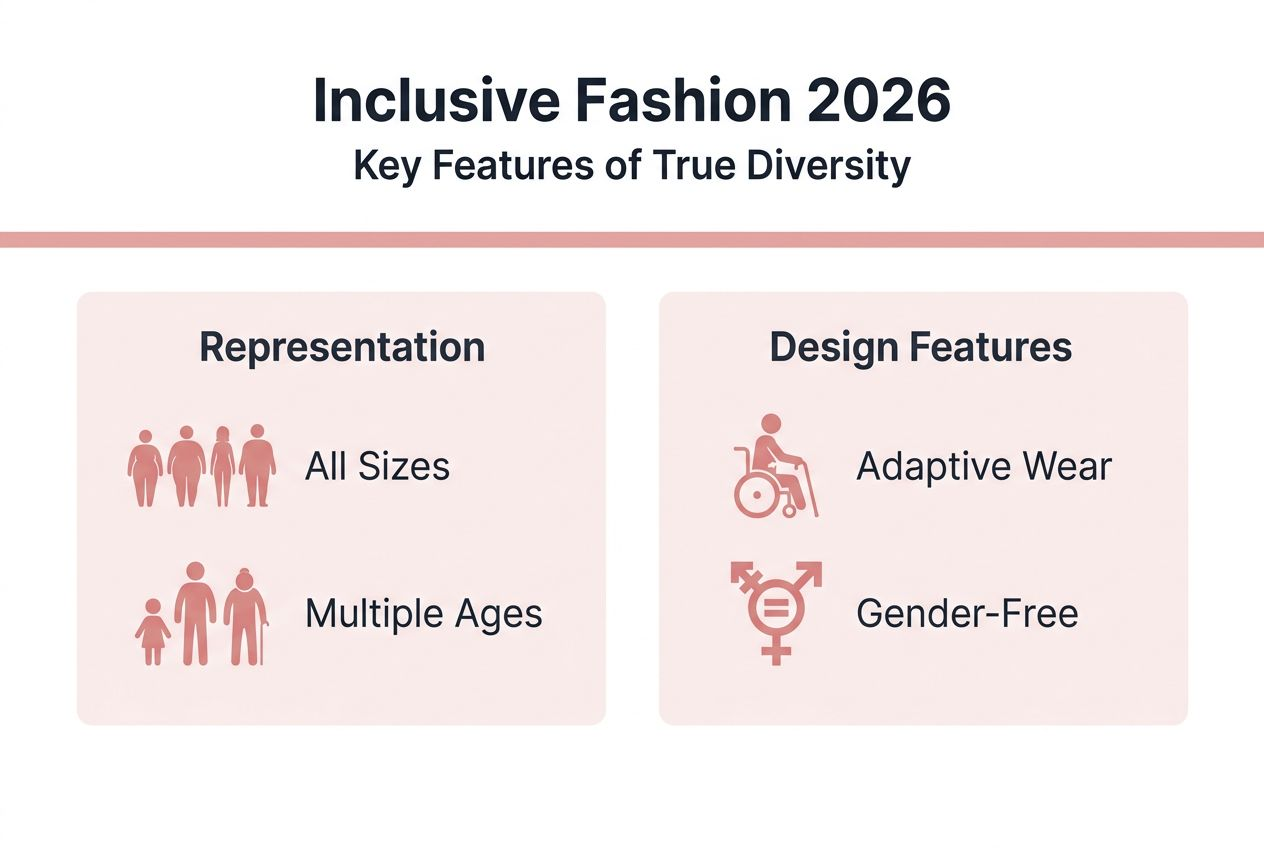
Inclusive design starts with understanding that bodies and needs vary dramatically. Adaptive clothing with magnetic closures and adjustable features improve ease of dressing for many consumers while maintaining style and sophistication. These innovations serve people with disabilities, arthritis, or limited mobility without sacrificing fashion-forward aesthetics.
Sensory-friendly materials address another critical need. Tagless labels, soft seams, and breathable fabrics create comfort for neurodivergent individuals who experience sensory sensitivities. These features benefit everyone but make fashion accessible to those previously excluded by scratchy tags and restrictive cuts.
Expanded sizing systems reflect real body proportions rather than arbitrary standards. Instead of simply scaling up a single pattern, inclusive brands measure diverse bodies to create cuts that fit various shapes properly. This means better shoulder width ratios, varied torso lengths, and cuts designed for different body types.
| Feature | Traditional Design | Inclusive Design |
|---|---|---|
| Closures | Buttons, zippers | Magnetic snaps, velcro options |
| Sizing | Limited range (0-12) | Extended range with varied cuts |
| Materials | Standard fabrics | Sensory-friendly, adaptive options |
| Gender | Segregated categories | Fluid, universal options |
| Models | Narrow representation | Diverse bodies and identities |
Pro Tip: When shopping, look for brands that show their clothing on diverse body types in their marketing. This signals they’ve actually tested fit across different shapes rather than just scaling patterns.
The mindful fashion guide 2026 approach aligns with inclusive design by prioritizing thoughtful choices over fast trends. Quality inclusive pieces work harder in your wardrobe because they’re designed with real wear patterns in mind.
Gender-neutral fashion removes the artificial boundaries that restrict personal expression. These designs prioritize fit, function, and style over outdated gender labels. The result is clothing that anyone can wear confidently, regardless of how they identify.
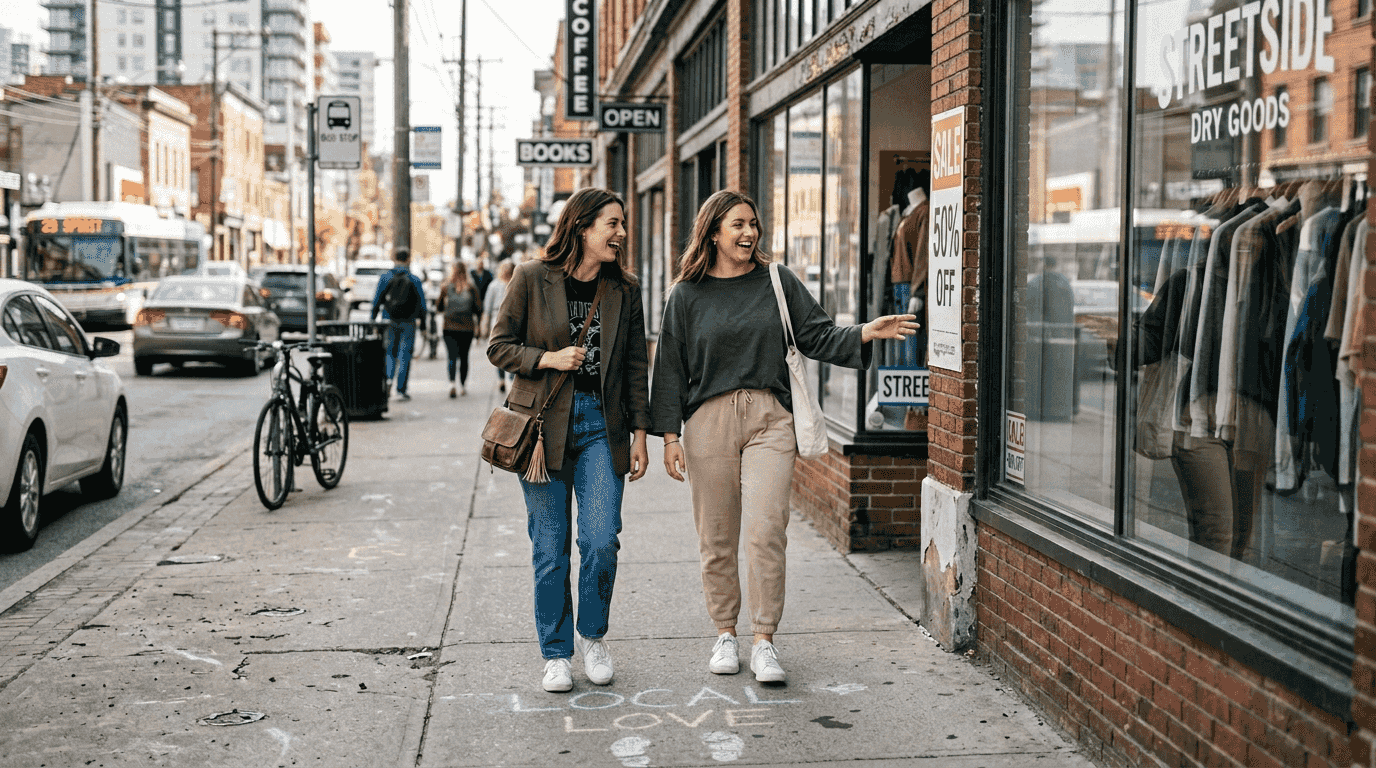
56% of Gen Z consumers prefer fashion that is not gender-segregated, highlighting cultural shifts toward fluidity and choice. This isn’t a passing trend but a fundamental change in how younger generations view clothing. They reject the idea that certain cuts, colors, or styles belong exclusively to one gender.
Gender-neutral collections typically feature:
Pro Tip: Start incorporating gender-neutral pieces with versatile basics like tailored blazers, straight-leg jeans, or oversized shirts. These items blend seamlessly with your existing wardrobe while expanding your styling options.
The influence of celebrity culture on trends has accelerated acceptance of gender-fluid fashion. When public figures embrace non-binary styles, they normalize these choices for millions of fans. The role of influencers in fashion amplifies this effect by showing everyday people how to incorporate these pieces into real life.
Gender-neutral fashion creates freedom to explore your style without artificial constraints. It acknowledges that self-expression is personal and evolving, not fixed by outdated categories.
The business case for inclusivity has become impossible to ignore. The global plus-size market is projected to surpass $400 billion by 2026, driving industry transformation and forcing brands to reconsider outdated sizing strategies. This massive market represents decades of unmet demand from consumers tired of being excluded.
Cultural movements amplify economic pressure on brands. Social media activism holds companies accountable for performative diversity versus authentic inclusivity. Consumers now research brand values before purchasing and call out tokenism immediately. This transparency forces genuine change rather than surface-level marketing adjustments.
Influencers and celebrities use their platforms to champion inclusive brands and criticize exclusionary practices. Celebrity culture influences trends by normalizing diverse bodies and identities in aspirational contexts. When A-list stars choose inclusive designers, they signal that diversity is fashionable, not just functional.
The role of influencers in fashion extends beyond promotion to education. Content creators share sizing reviews, adaptive feature demonstrations, and honest brand critiques. This information empowers consumers to make informed choices. Social media’s role in personal style creates communities where people discover inclusive options and support each other’s fashion journeys.
| Aspect | Traditional Fashion | Inclusive Fashion |
|---|---|---|
| Market focus | Narrow demographic | Broad, diverse audience |
| Design process | Single body type | Multiple body types and abilities |
| Marketing | Limited representation | Diverse models and stories |
| Pricing strategy | Premium for extended sizes | Equitable pricing across ranges |
| Consumer relationship | One-way messaging | Two-way dialog and co-creation |
Key economic drivers include:
Brands that embrace inclusivity early gain market share and cultural relevance. Those that resist face declining sales and reputational damage as consumers vote with their wallets.
Many people misunderstand inclusive fashion’s scope and purpose. The most persistent myth is that inclusivity only means plus sizes. While extended sizing matters enormously, true inclusivity addresses abilities, gender identities, cultural backgrounds, and age diversity. Reducing it to size alone ignores millions of people excluded for other reasons.
Another misconception suggests adaptive fashion sacrifices style for function. This outdated view ignores designers creating glamorous, trend-forward pieces with adaptive features. Magnetic closures can look identical to buttons. Seated cuts photograph beautifully on runways. Adaptive fashion proves accessibility and aesthetics enhance each other.
Some dismiss gender-neutral fashion as a fleeting trend that will fade. This perspective misses the fundamental cultural shift occurring across generations. Young consumers increasingly reject binary gender categories in all aspects of life, not just clothing. This represents lasting change in social values, not temporary fashion whimsy.
Common misconceptions include:
These myths persist because of decades of exclusionary marketing that equated thinness, able-bodiedness, and binary gender with desirability. Breaking these associations requires conscious effort to recognize beauty and style across all human diversity. The fashion industry’s narrow standards never reflected reality, they just controlled visibility.
Understanding what inclusive fashion truly encompasses helps you recognize authentic brands versus those making token gestures. Real inclusivity shows up in design decisions, not just marketing campaigns.
Technological innovation solves longstanding fit and accessibility challenges in fashion. 3D scanning and AI personalization reduce fit-related returns by up to 30%, enhancing inclusivity by creating accurate digital measurements of diverse body shapes. Shoppers scan their bodies at home using smartphone apps, then receive personalized size recommendations across brands.
Artificial intelligence analyzes style preferences, identity expression, and past purchases to suggest pieces that match your aesthetic. This personalization helps you discover inclusive brands you might never find through traditional search. AI considers factors like preferred gender expression, cultural style elements, and accessibility needs to curate relevant options.
Virtual try-on technology lets you see how garments look on body types similar to yours before purchasing. This builds confidence for online shopping and reduces the frustration of ordering items that don’t fit. For people with mobility limitations or those in remote areas, virtual try-on expands access to fashion dramatically.
Key technological advances include:
These tools democratize fashion by removing barriers between consumers and perfect fit. Technology makes inclusive sizing economically viable for smaller brands that couldn’t previously afford extensive size ranges. Digital design and on-demand production mean offering 30 sizes costs nearly the same as offering 5.
The intersection of technology and inclusivity creates shopping experiences that feel personalized and respectful. Instead of forcing your body into standard sizes, technology helps you find or create clothing designed specifically for you.
Identifying truly inclusive brands requires looking beyond marketing claims to actual practices. Start by examining size ranges offered. Authentic inclusivity means extended sizing at the same price points as standard sizes, not premium charges for larger sizes. Check whether petite, tall, and plus options exist across all styles, not just basics.
Model diversity in marketing reveals brand values. Look for campaigns featuring different body types, ages, ethnicities, gender expressions, and visible disabilities. Tokenism shows one diverse model among many traditional ones. Real commitment displays consistent diversity across all marketing materials and shows clothes styled beautifully on every body.
Prioritize brands incorporating adaptive features even if you don’t personally need them. Magnetic closures, adjustable hems, and sensory-friendly fabrics signal a brand designs for real people with varied needs. These features often improve garment functionality for everyone, not just specific groups.
Pro Tip: Read brand mission statements and About pages carefully. Companies genuinely committed to inclusivity articulate specific values and actions, not vague diversity buzzwords. Look for concrete initiatives like adaptive collections, equitable pricing, or partnerships with disability advocates.
Support practices for inclusive fashion:
Your purchasing choices shape industry direction. Supporting inclusive brands financially rewards their commitment and pressures competitors to follow. When you share positive experiences or constructive feedback, you help other consumers discover options that might transform their relationship with fashion.
Building an inclusive wardrobe means curating pieces that make you feel authentic and confident. This process takes time but creates lasting satisfaction as you discover brands that truly see and serve you.
Inclusive fashion redefines style as a universal right, not a privilege reserved for certain bodies or identities. This movement celebrates human diversity through thoughtful design, authentic representation, and accessible innovation. When fashion embraces everyone, it becomes a powerful tool for self-expression and confidence rather than a source of exclusion and shame.
The shift toward inclusivity reflects broader cultural changes in how we understand beauty, gender, and accessibility. Modern consumers demand authenticity and reject brands that treat diversity as a marketing tactic rather than a core value. This accountability drives meaningful progress across the industry as companies realize inclusivity is both ethically necessary and economically smart.
You hold power to accelerate this transformation through informed choices. Supporting inclusive brands, sharing diverse fashion content, and demanding transparency creates market pressure that changes industry standards. Every purchase, review, and social media post contributes to building a fashion landscape where everyone belongs.
Inclusive fashion ultimately empowers you to express your authentic self through clothing that fits your body, reflects your identity, and honors your needs. This freedom transforms fashion from a source of frustration into genuine joy and creative expression.
WomanEdit brings you curated fashion insights that celebrate diversity and empower your personal style journey. Our platform combines trend awareness with inclusivity, helping you discover looks that work for your unique identity and body.
Explore celebrity style essentials 2026 that embrace diverse body types and gender expressions. Discover how to update fashion trends in your modern wardrobe with pieces that reflect authentic inclusivity. Learn why celebrity culture influences trends and how you can adapt those insights to your personal aesthetic. Stay ahead with practical tips and inspiring stories that make fashion accessible and fun for every woman.
Inclusive fashion creates clothing that is accessible, representative, and empowering for all body types, identities, and abilities. It challenges traditional beauty standards by embracing diversity across size, gender expression, age, cultural background, and physical capability. This approach makes fashion a tool for self-expression rather than exclusion.
Inclusive fashion encompasses far more than extended sizing, including adaptive designs for disabilities, gender-neutral styles, sensory-friendly materials, and cultural representation. It addresses the full spectrum of human diversity rather than focusing solely on size. True inclusivity considers every dimension of identity and need in design and marketing.
Look for brands offering wide size ranges at equitable prices with diverse model representation across all marketing. Check for adaptive features like magnetic closures and sensory-friendly fabrics that signal thoughtful design. Support companies with transparent inclusivity commitments backed by concrete actions, not just vague diversity statements. Research customer reviews and follow inclusive fashion advocates for honest brand recommendations aligned with mindful fashion principles.
3D body scanning and AI personalization create accurate fit recommendations and reduce returns by matching clothing to diverse body shapes. These tools enable virtual try-on experiences and customized style suggestions based on your identity and preferences. Technology democratizes fashion by making perfect fit accessible regardless of location or mobility, transforming the shopping experience for everyone.