Newsletter Subscribe
Enter your email address below and subscribe to our newsletter

Enter your email address below and subscribe to our newsletter
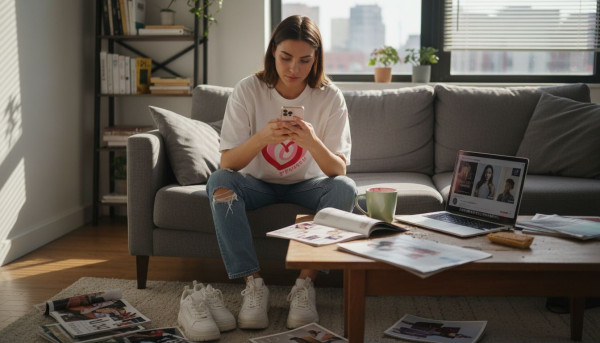
Discover how social media shapes young women's style choices, with 52% using Instagram for fashion inspiration. Learn to navigate trends authentically while building empowered personal style.
Social media has transformed how young women discover and adopt personal style. With 52.4% of global fashion shoppers using Instagram as their primary source of fashion inspiration, digital platforms now dominate style decisions more than traditional magazines or retail displays. This shift has created faster trend cycles, democratized fashion access, and fundamentally changed how we build our wardrobes and express identity through clothing.
| Point | Details |
|---|---|
| Social Learning Drives Trends | Young women replicate styles by observing peers and influencers online, accelerating trend adoption through digital observation. |
| Instagram Leads Fashion Discovery | Over 52% of fashion shoppers rely on Instagram for style inspiration, making it the dominant platform for trend discovery. |
| Influencers Shape Purchasing | 78% of consumers trust influencer content over traditional ads, directly impacting style choices and buying behavior. |
| Psychological Duality Exists | Social media empowers self-expression but also creates pressure for curated perfection and trend conformity. |
| Mindful Curation Matters | Balancing trend awareness with personal values helps maintain authentic style while navigating digital inspiration. |
When you scroll through Instagram or TikTok and immediately want the outfit you just saw, you’re experiencing Social Learning Theory in action. This psychological framework explains how we adopt behaviors by observing others, and social media accelerates fashion trend adoption through this exact mechanism. Young women watch influencers style pieces, observe peer reactions, and quickly replicate what resonates.
The Diffusion of Innovation Theory adds another layer. Fashion ideas spread through social networks in predictable patterns: innovators post first, early adopters amplify, and the majority follows once a critical mass forms. What used to take seasons now happens in weeks.
This compressed timeline creates what industry experts call “see now, buy now” culture:
Research confirms young women rapidly adopt styles showcased on social platforms, with the speed of adoption directly tied to engagement metrics. The more a look circulates, the faster it becomes mainstream. This creates opportunities to spot fashion trends effectively before they peak, giving you a style edge.
“The digital fashion cycle has shrunk from 12 months to 12 weeks, fundamentally changing how consumers interact with trends and make purchasing decisions.”
Understanding these mechanisms helps you navigate trend adoption consciously rather than reactively. You can choose which trends align with your style identity instead of feeling pressured to adopt everything that crosses your feed.
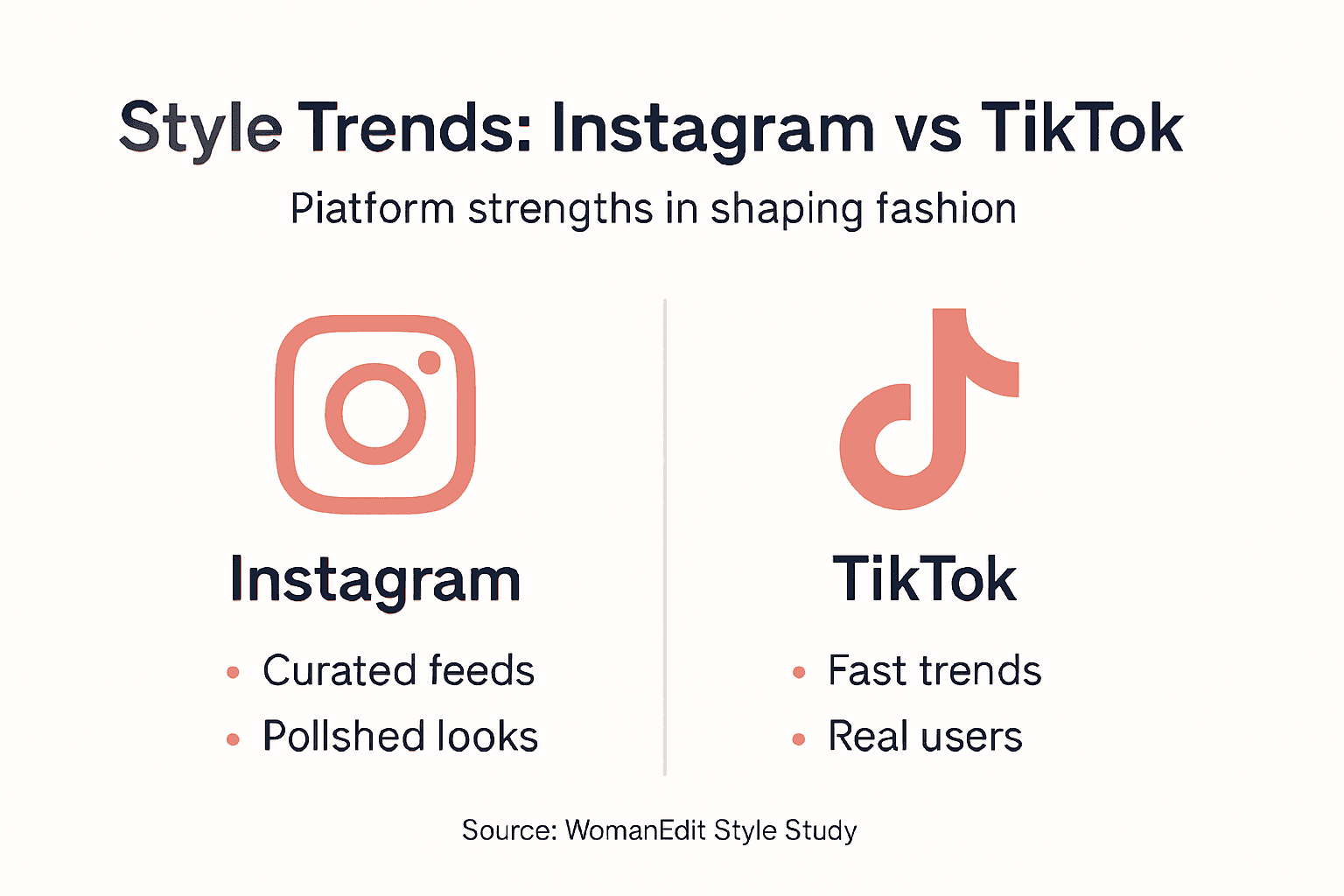
Not all social platforms influence style equally. Instagram and TikTok dominate fashion discovery, but they serve different purposes in your style journey. 52.4% of global fashion shoppers use Instagram primarily for fashion inspiration, while TikTok accelerates viral moments that can turn unknown brands into sellouts overnight.
| Platform | Strength | Best For | Trend Speed |
|---|---|---|---|
| Curated aesthetics | Aspirational looks, outfit planning | Moderate | |
| TikTok | Viral velocity | Trend discovery, styling hacks | Extremely fast |
| Long-term planning | Seasonal wardrobe building | Slow burn |
Instagram thrives on visual polish. You’ll find carefully styled outfits, cohesive color palettes, and detailed product tagging that makes shopping seamless. The platform’s emphasis on aesthetic feeds makes it ideal for building mood boards and finding inspiration that feels aspirational yet achievable.
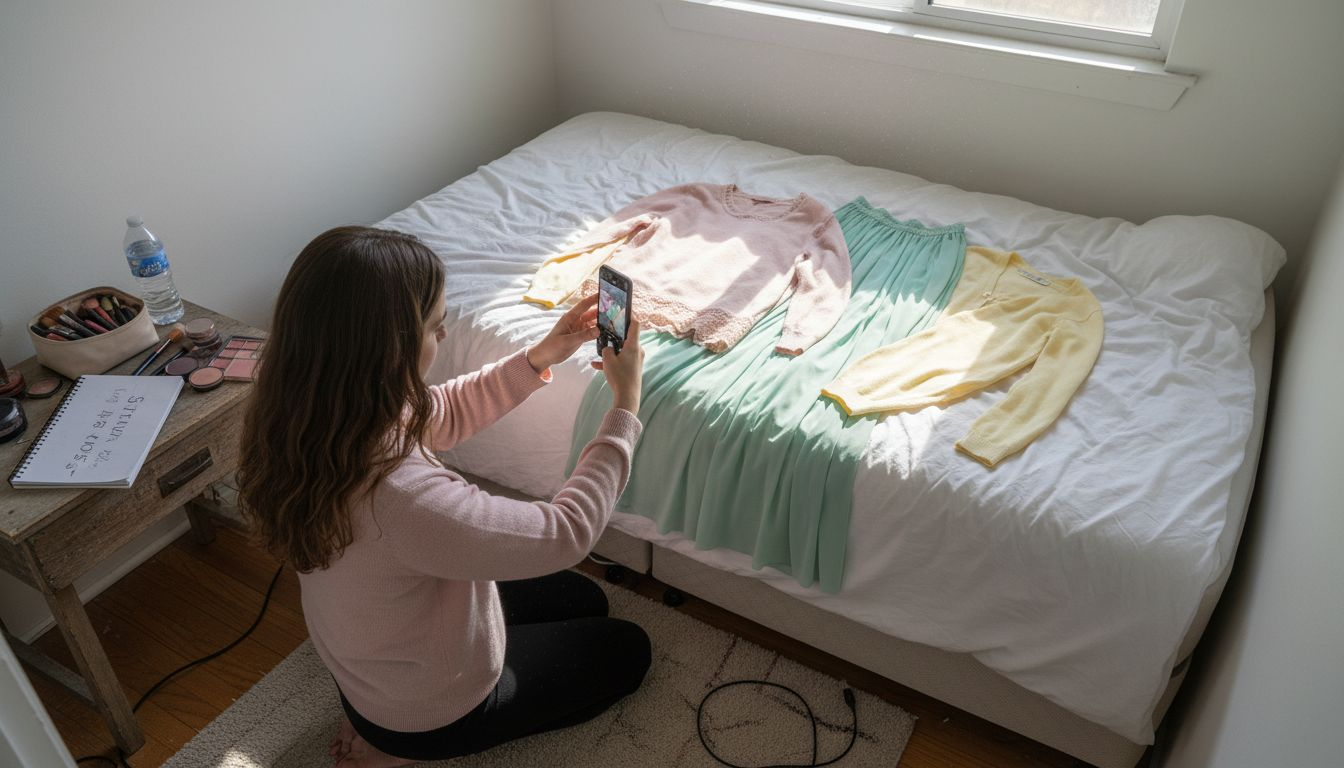
TikTok operates differently. Short videos show styling in action: how pieces move, how outfits transition from day to night, and real-time reactions. This format drives explosive trend cycles because content spreads through algorithm-driven discovery rather than follower counts alone.
Key differences that affect your style approach:
Pro Tip: Use Instagram for style direction and wardrobe planning, but turn to TikTok when you want to see how real bodies wear trends or need quick styling solutions for pieces you already own.
Understanding social media’s role in trend shaping across platforms lets you strategically engage where your style goals align with platform strengths. You don’t need to be everywhere; focus on platforms that serve your specific fashion needs.
Celebrities and influencers have replaced fashion magazines as style authorities, and the numbers prove it. 78% of consumers report being influenced by social media content from fashion creators more than traditional advertising. This shift happened because influencer content feels personal, accessible, and trustworthy in ways glossy magazine spreads never could.
The relatability factor drives this influence. When a creator with your body type or budget shows how to style a trend, it feels achievable. You see yourself in their content, making adoption feel natural rather than aspirational. This perceived authenticity creates powerful social proof: if someone you trust wears it, the trend gains legitimacy.
Influencers impact your style choices through multiple channels:
Celebrities operate differently but equally powerfully. Their red carpet moments and street style shots set aspirational benchmarks. When a celebrity wears an emerging designer, that brand’s visibility skyrockets. When they champion sustainable fashion, conversations shift industry-wide.
However, this influence creates pressure too. The constant stream of perfectly styled content can make you feel your wardrobe is inadequate or outdated. You might feel compelled to buy trends simply because everyone you follow is wearing them, not because they fit your lifestyle or values.
Pro Tip: Follow creators across different price points and style aesthetics. Diverse feeds prevent echo chambers and help you distinguish between trends worth adopting and passing fads that don’t serve your personal style goals.
Recognizing the influencer impact on fashion and self-image helps you engage critically with content. Ask yourself: Am I drawn to this because it fits my style, or because I saw it repeatedly today? That pause creates space for intentional choices.
Fashion has always been about self-expression and belonging, but social media intensifies both the empowering and challenging aspects of style exploration. For young women, clothing choices communicate identity, values, and group membership. Platforms amplify this by providing instant feedback through likes, comments, and shares that validate or question your choices.
The empowering side is real. Social media lets you discover subcultures and aesthetics you’d never encounter locally. You can experiment with looks virtually before committing, find communities that celebrate your unique style, and access styling advice from global experts. This democratization breaks down geographic and economic barriers to fashion knowledge.
But social media also creates pressure for curated perfection. The highlight reel nature of feeds makes it seem like everyone else has flawless style while you’re struggling. This comparison trap correlates with increased anxiety about appearance and heightened fast fashion consumption as you chase trend cycles to keep up.
Key psychological impacts you might experience:
Research shows heavy social media users exhibit faster fashion consumption patterns, buying more frequently in smaller quantities to keep content fresh. This cycle feeds both financial strain and environmental concerns as wardrobes become disposable.
The relationship between fashion and women’s confidence becomes complicated when external validation through metrics replaces internal satisfaction. You might find yourself choosing outfits for content potential rather than personal joy or practical needs.
Awareness of these dynamics is your first defense. Recognizing when you’re dressing for the algorithm versus yourself helps you reclaim agency over style choices. Set boundaries: designate screen-free styling time, unfollow accounts that trigger comparison, and regularly audit whether your purchases align with your actual lifestyle or just your feed aesthetic.
Several myths about social media’s fashion influence persist despite evidence to the contrary. Debunking these misconceptions helps you engage with platforms more strategically and recognize positive potentials often overlooked in criticism.
Myth 1: Social media only promotes wasteful fast fashion. While fast fashion brands leverage social platforms effectively, platforms increasingly foster sustainable fashion awareness. Pinterest reported a 71% year-over-year increase in sustainable fashion searches. Ethical brands use social media to educate consumers about materials, labor practices, and circular fashion models. Influencers championing secondhand shopping and clothing swaps reach millions.
Myth 2: Everyone on social media follows identical trends. The reality is far more diverse. Niche aesthetics thrive on social platforms: cottagecore, dark academia, Y2K revival, and countless microtrends coexist. Algorithm personalization means your feed reflects your engagement patterns, creating customized style ecosystems rather than monolithic trends. This diversity lets you explore beyond mainstream fashion in ways traditional media never allowed.
Myth 3: Social media makes young women superficial about appearance. This oversimplification ignores how platforms facilitate meaningful conversations about body positivity, adaptive fashion for disabilities, modest fashion, and gender-nonconforming style. Social media gives voice to perspectives excluded from traditional fashion media, deepening rather than diminishing fashion discourse.
Myth 4: Influencer content is inherently inauthentic. While sponsored content exists, many creators build followings through genuine passion and expertise. Transparency requirements and audience sophistication mean followers quickly identify and abandon purely promotional accounts. Authentic creators share styling failures, budget constraints, and personal style evolution that resonates precisely because it’s real.
Understanding these realities about social media fashion myths empowers healthier platform engagement. You can leverage social media’s democratizing, educational aspects while staying alert to its commercial pressures. The tool itself is neutral; your awareness and intentional use determine whether it enhances or undermines your style journey.
Navigating social media’s fashion influence requires strategy. These actionable approaches help you integrate trend awareness with personal authenticity, building a wardrobe that serves your life rather than your feed.
Define your style pillars before scrolling. Identify three to five words describing your ideal aesthetic (minimalist, bold, romantic, edgy). Use these as filters when evaluating trends. If a viral piece doesn’t align with your pillars, acknowledge its appeal but skip the purchase.
Implement the 48-hour rule for trend purchases. When you see something you want immediately, save it and wait two days. If you’re still thinking about it and can envision three ways to wear it with existing pieces, then consider buying. This pause breaks impulse cycles driven by feed urgency.
Curate your feed intentionally. Follow creators across different body types, budgets, and aesthetics. Include sustainable fashion advocates, styling experts, and creators who show outfit repeating. Diverse input prevents echo chambers and pressure to conform to single trend narratives.
Use platforms as inspiration, not instruction. View social media content as a starting point for personal interpretation rather than a blueprint to copy exactly. Adapt trends to your lifestyle, climate, and existing wardrobe. The goal is inspiration that sparks creativity, not replication that demands spending.
Schedule regular digital detoxes. Take periodic breaks from fashion content when you notice increased anxiety, comparison, or purchase impulses. These pauses let you reconnect with your authentic preferences without external noise influencing decisions.
Audit purchases quarterly. Review what you bought in the last three months and honestly assess wear frequency. If social-media-inspired purchases sit unworn, examine why. This reflection builds awareness of your true style versus feed-driven impulses, helping you update your wardrobe smartly.
Engage with content critically. Ask questions: Is this sponsored? Does this creator typically recommend products? Would I want this if I hadn’t seen it repeatedly today? Critical engagement protects against manipulation while still allowing genuine inspiration.
Pro Tip: Create a private “style reality check” board on Pinterest or in your photos. Pin outfits you actually wore and loved this month. When you’re tempted by a trend, compare it to your reality board. Does it fit the life you actually live, or the one you curate online?
These strategies transform social media from a source of pressure into a tool for exploration. You stay informed about trends without becoming enslaved to them, building a wardrobe that reflects your authentic self while remaining culturally connected.
Your style journey deserves resources that understand the complex relationship between trends, identity, and empowerment. WomanEdit offers expert guidance on navigating fashion’s evolving landscape while staying true to your values.
Discover how quiet luxury’s subtle style creates lasting elegance beyond viral moments. Explore deeper insights into social media’s trend influence and how platforms shape modern fashion. Learn more about influencers’ impact on style choices and how to engage authentically with creator content. Our curated articles help you build confident, empowered style that reflects who you are, not just what’s trending. Join a community of women redefining fashion on their own terms.
Start by identifying your core style values and aesthetic preferences before engaging with trend content. Adapt viral trends to fit your existing wardrobe rather than buying complete looks, and always ask whether a piece serves your lifestyle beyond its social media appeal.
Instagram excels for curated, aspirational style and outfit planning, while TikTok offers rapid trend discovery and practical styling demonstrations. Choose based on whether you prefer polished aesthetics or actionable, real-time fashion advice that shows trends in motion.
Yes, significantly. Research shows 78% of consumers trust influencer recommendations over traditional advertising because creators offer relatable, authentic content. Their influence works through social proof and perceived expertise, making their suggestions feel like advice from trusted friends.
Implement a 48-hour waiting period for purchases inspired by social media. If you can identify multiple ways to wear an item with existing pieces and it aligns with your defined style pillars, it’s wardrobe-building. One-time statement pieces rarely justify their cost or closet space.
Absolutely. Platforms increasingly amplify sustainable fashion content, with Pinterest reporting 71% growth in eco-fashion searches. Influencers championing secondhand shopping, clothing swaps, and ethical brands reach massive audiences, making sustainable choices more visible and accessible than traditional media ever achieved.
Take regular breaks from fashion content and curate your feed to include diverse body types, budgets, and aesthetics. Consider exploring more about the psychological impact of influencers to better understand these feelings. Focus on accounts showing outfit repeating and realistic styling rather than constant newness, and remember that feeds show highlights, not daily reality.