Newsletter Subscribe
Enter your email address below and subscribe to our newsletter


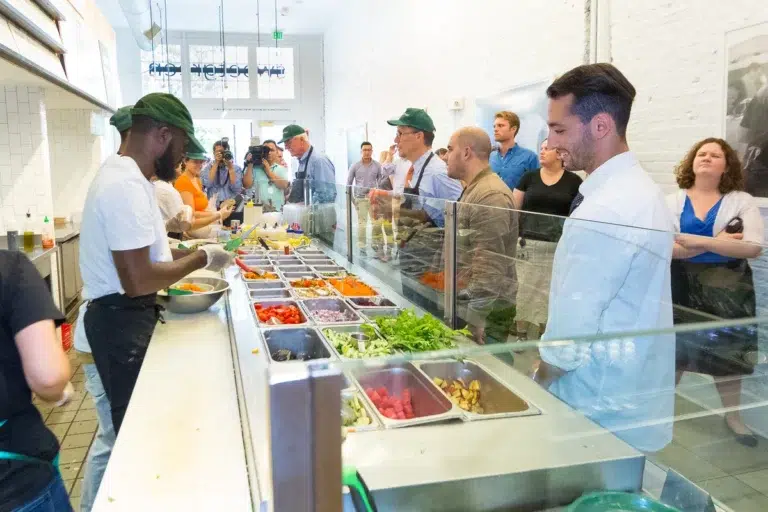
Sweetgreen's no-seating stores aren't just convenient; they're a chilling corporate purge of the American dining room. Will shared meals vanish forever?
I don’t know about you, but when I heard Sweetgreen’s latest announcement, my heart sank. This isn’t just about salads; it’s a gut punch to the very soul of shared dining, a chilling glimpse into a future where our beloved neighborhood eateries become sterile pickup points. It’s a preview of how corporations are systematically erasing the American dining room, and honestly, it makes me incredibly sad.
The fast-casual giant confirmed on April 28, 2026, they’re rolling out 30 new no-seating Outposts by year’s end. Five are already open, and walking past them feels like looking into a void where warmth and chatter used to be.

These locations are strictly for digital pickup and delivery. This strips away the very essence of what makes a meal special: human connection, and reshapes our dining habits whether we like it or not.
Sweetgreen CEO Jonathan Neman claims these Outposts are “a direct response to the sustained growth in our digital orders and the evolving preferences of our customers for speed and convenience.”
He sees efficiency. I see a future without shared tables, without the clinking of forks or the easy laughter that makes a meal truly satisfying.
Let’s be blunt: this isn’t about giving us what we truly crave – a moment of connection over a delicious bowl. It’s about raw numbers, pure and simple. Sweetgreen reported that digital orders now make up over 65% of its total sales in Q1 2026. That’s a massive jump from before the pandemic, a trend too big for these chains to ignore. But at what cost to our communities, to our very human need for togetherness?
These Outposts operate with a staggering 20-25% lower overhead costs than full-service restaurants. Think about that. Less rent, fewer front-of-house staff, and optimized kitchens mean fatter profit margins. It’s a goldmine for companies looking to cut corners and boost their bottom line. They’re trading our comfort and connection for a few extra cents on the dollar, and that feels like a betrayal of what restaurants should be.
The global ghost kitchen market, where these Outposts thrive, is projected to hit a colossal $100 billion by 2030. Investors are all-in on this model. They don’t care about your cozy lunch spot, or the joy of a shared meal; they care about maximizing every single dollar. This isn’t just business; it’s a corporate land grab, plain and simple, and our local eateries are the collateral damage.
This move isn’t just a business decision; it’s a profound cultural shift. Restaurants have always been more than just places to eat; they are “third places” – vital spaces for connection, community, and sharing stories.
They are where first dates nervously unfold, where friends catch up on life’s latest chapters, and where families celebrate milestones. These places are the vibrant pulse of our neighborhoods.
Sweetgreen and its ilk are ripping that away, piece by painful piece. They are turning dining into a purely transactional act. Grab your salad, bolt out the door, and eat it alone at your desk. This “de-socialization” of dining is isolating, and frankly, it strips away the very joy of food. Food isn’t just fuel; it’s a reason to gather, to share, to experience.
What happens when every fast-casual spot follows suit? When all that’s left are sterile pickup windows and delivery drivers? We lose something essential, something irreplaceable. We lose shared human experience. We lose the beating heart of our neighborhoods, replaced by silent, efficient boxes. Can we truly afford to let that happen?
The fear is real: this is just the beginning. Other chains will see Sweetgreen’s success and jump on the bandwagon. Why wouldn’t they, with those tempting profit margins? We’re heading towards a future where affordable, casual sit-down dining becomes a cherished relic, a faded memory of a more connected time.
Real estate developers will scramble to build more industrial-style spaces for these ghost kitchens. Traditional restaurant spaces will sit empty, gathering dust.
Front-of-house jobs – those vital roles that bring warmth and personality to our dining experiences – will vanish, leaving countless workers scrambling. This isn’t innovation; it’s corporate ruthlessness disguised as convenience, slowly eroding the fabric of our daily lives and our local economies.
Our dining rooms are under siege. It’s time to recognize this “convenience” for what it truly is: a calculated corporate purge of our shared spaces. We need to fight for our tables, our chairs, and the simple, profound joy of sharing a meal, before the heart of our dining experience is gone for good. Let’s reclaim our right to gather, to connect, and to savor life around a table.
Photo: Wikimedia Commons (query: American critics)
Source: Google News