Newsletter Subscribe
Enter your email address below and subscribe to our newsletter


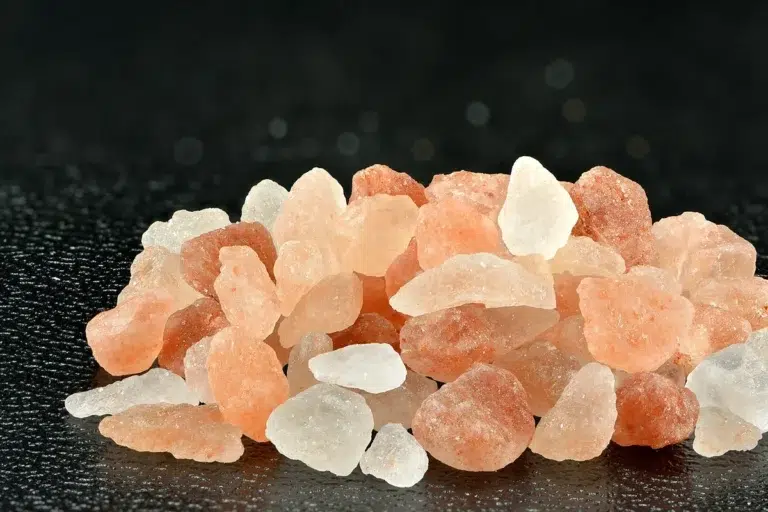
Pink Himalayan salt is a marketing illusion with no health benefits. It's time to cut through the BS and protect your heart.
Let’s be brutally honest: that expensive, aesthetically pleasing pink Himalayan salt gracing your kitchen counter is a sham. It offers zero magic health benefits, and like any salt, excessive consumption is a direct threat to your heart. It’s time to cut through the wellness BS.
This isn’t some fringe health warning; it’s a stark reality. High sodium intake is a silent killer, a relentless architect of hypertension, heart disease, and stroke.

The average American consumes a staggering 3,400 mg daily. This is a full 1,100 mg above the recommended 2,300 mg limit, and for those already at risk, that threshold drops even lower. Are you paying attention?
Wellness influencers, with their glossy feeds and dubious claims, relentlessly push pink Himalayan salt. They rave about its “trace minerals” and “unprocessed” purity. But let’s call it what it is: a masterclass in marketing spin, designed to lighten your wallet and offer nothing substantial in return.
Sure, pink salt contains minute quantities of potassium, magnesium, and calcium. But calling these ‘benefits’ is like saying a single drop of water will quench your thirst in a desert.
These amounts are so microscopically small they are nutritionally meaningless. To derive any actual benefit, you’d have to consume a dangerously, even fatally, high amount of salt. As Dr. Sarah Chen, a Registered Dietitian, rightly emphasizes:
“While pink Himalayan salt might look appealing and offer a slightly different taste profile, from a health perspective, it’s still primarily sodium chloride. The trace minerals it contains are in such small quantities that they won’t make a meaningful difference to your overall nutrition. The focus should always be on reducing total sodium intake, regardless of the salt’s color.”
Make no mistake: its sodium content is virtually identical to the cheap table salt in your pantry. We’re talking a staggering 98% sodium chloride. You’re not investing in health; you’re simply overpaying for a pretty color and a carefully constructed illusion of well-being.
Here’s the brutal truth: your salt shaker isn’t the primary enemy. The real saboteur of your cardiovascular health is the sodium stealthily lurking everywhere – in processed foods, packaged goods, and restaurant meals.
Many believe they’re safe because they don’t add extra salt at the dinner table. But this is a dangerous misconception. You’re likely drowning in sodium from sources you barely consider.
“The biggest challenge we face is the amount of sodium hidden in processed foods. People often think they’re doing well by not adding salt at the table, but the majority of their sodium comes from bread, cold cuts, canned soups, and restaurant meals. That’s where we need to educate the public.”
This isn’t just about statistics; it’s about your life. This ignorance about hidden sodium directly fuels serious, preventable conditions that will absolutely tank your quality of life, drain your energy, and inflate healthcare costs. This isn’t a suggestion; it’s a mandate: get smart about what you eat, starting now.
So, if the pink salt illusion is debunked, how do you reclaim control and slash sodium without condemning your taste buds to a life of bland, cardboard-like meals? The answer is simpler than you think. You don’t need another gimmick; you need a powerful, actionable strategy.
Your health isn’t a fleeting trend; it’s a lifelong commitment, a non-negotiable investment in your future. Stop wasting your money on decorative salt that delivers nothing but a false sense of well-being. It’s time to ditch the gimmicks and embrace science-backed strategies that genuinely improve your health.
Take control. Make the hard choices. Your heart, your energy, and your entire life will thrive because of it. This is TheManEdit. This is how you win.
Source: Google News