Newsletter Subscribe
Enter your email address below and subscribe to our newsletter


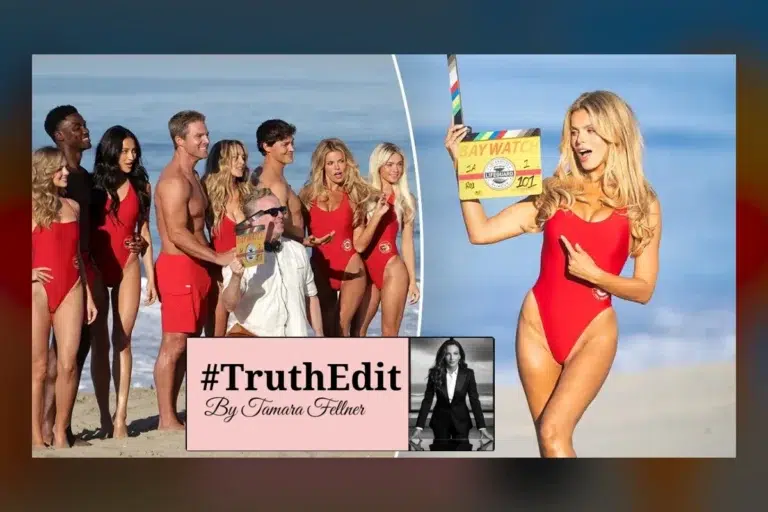
The Baywatch reboot's Nader & Dunne casting is a "joke" and a desperate Hollywood misstep. Audiences are in a savage revolt over this influencer grab.
Let’s cut through the noise: the whispers of an ‘iconic Baywatch babe’ returning for a new reboot featuring social media darlings Brooks Nader and Livvy Dunne aren’t just talk – they’re a siren blaring Hollywood’s latest, most desperate misstep. This isn’t a splash; it’s a belly flop, and the internet is already drowning in outrage over this casting disaster. Hollywood, it seems, is officially scraping the bottom of the barrel for clicks, sacrificing any semblance of artistry for fleeting viral attention.
The public reaction isn’t merely ‘not subtle’ – it’s a full-blown, savage online bloodbath. Social media isn’t just buzzing; it’s erupting with cries of “JOKE” and “awful cast,” a collective groan echoing across every platform. This isn’t just criticism; it’s a digital revolt against a transparent grab for fleeting attention, and frankly, it’s about time audiences spoke up.
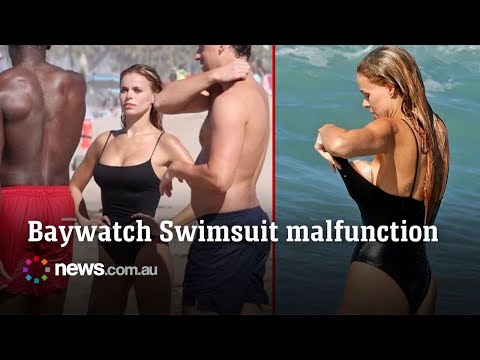
Let’s be clear: this isn’t about the craft of acting; it’s a naked, cheap influencer grab. The names plastered across the headlines – Brooks Nader, Livvy Dunne, Noah Beck – are undeniably social media stars. But ‘star’ in this context means follower count, not dramatic chops, not honed talent, and certainly not the ability to carry a legacy.
When did millions of followers become a substitute for genuine skill?
The internet is overflowing with a cynicism that feels entirely earned. Critics aren’t just calling this “influencer casting, not acting”; they’re eviscerating it as a blatant, shameless play for eyeballs from TikTok and Instagram followers. Who needs talent, they ask, when you have millions of followers ready to click ‘like’ on a sponsored thirst trap?
It’s a question that should make every serious actor, every aspiring artist, every woman who has worked tirelessly to hone her craft, absolutely furious.
One online thread raged, “Who greenlit this nepo-influencer fever dream? Did they even try to find actors?” Others mocked the concept with biting precision: “Baywatch: now with 100% less acting, 200% more sponsored content and awkward poses.”
It’s unequivocally clear the audience sees right through this flimsy facade. They are not buying into the hype; they are actively rejecting it.
This isn’t just about bad casting; it’s about a fundamental disrespect for the craft itself, for the years of dedication and sacrifice that go into becoming an actor. The idea that someone can simply “manifest” a coveted role based solely on their follower count is not just insulting; it cheapens the entire industry, reducing art to a mere transaction.
What message does this send to young women striving for excellence in their chosen fields?
The cynicism runs deep, hitting the core of Hollywood’s perceived motives. Some Redditors theorize this is just a “Fox tax write-off disguised as content,” a cynical ploy to leverage a recognizable brand without genuine investment.
Others suggest it’s “Paul Skenes’ MLB clout-chasing via Livvy’s gig,” reducing a potential entertainment product to a mere vehicle for personal brand amplification. The motives are transparent, and they stink of desperation.
While this new reboot flounders in a sea of online scorn, the original “iconic Baywatch babe” is doing something far more powerful, far more resonant. Pamela Anderson isn’t chasing a red swimsuit or a fleeting trend.
She is reprising her own narrative, reclaiming her story on her own fiercely authentic terms. This is a masterclass in true empowerment, a stark contrast to the shallow pursuits of the reboot.
Anderson’s recent return to the public eye, embracing authenticity and vulnerability, stands in powerful opposition. She is showing up without makeup, speaking her truth in documentaries and memoirs, and owning her past with grace and defiance.
That, dear reader, is true women’s empowerment – a journey of substance, not surface. It’s about taking control of your image, defining your own worth, and owning every chapter of your life.
This is the real story of an iconic woman, and it has absolutely nothing to do with a desperate, ill-conceived reboot.
She walked away from the red swimsuit and the series 34 years ago, a lifetime in Hollywood terms. Yet, here she is, not chasing a past role, but meticulously defining herself anew, on her own fiercely authentic terms.
This isn’t just a comeback; it’s a masterclass in resilience, a powerful, undeniable message for women everywhere: you can evolve beyond expectations, shed outdated labels, and absolutely dictate your own legacy, far from the shallow glare of a desperate reboot.
This “new” Baywatch reboot isn’t just a misstep; it’s a glaring symptom of Hollywood’s chronic, debilitating fear of originality. They are so utterly terrified of taking a creative risk, so slavishly obsessed with guaranteed numbers, that they resort to the laziest possible strategy: recycling old ideas and then filling them with “talent” whose only discernible qualification is a hefty social media following.
It’s a creative bankruptcy laid bare, an insult to the intelligence of every audience member.
It’s lazy. It’s uninspired. It shows a profound lack of vision that should alarm anyone who cares about the future of storytelling.
Instead of investing in new voices, groundbreaking narratives, or truly compelling performances, they rehash old ones, hoping influencer fame will somehow carry the load.
It will not. Audiences are tired of being served reheated leftovers, especially when they’re presented as a gourmet meal.
This casting is a betrayal of what Baywatch, for all its cheesy glory, once represented. It was a cultural phenomenon that launched legitimate stars like Pamela Anderson and David Hasselhoff.
It had a unique, if often mocked, cultural impact. This new version, devoid of genuine talent and relying solely on fleeting internet fame, seems destined not for cultural impact, but for the straight-to-streaming bin, a forgotten footnote in the history of bad ideas.
The industry needs to do better. Audiences demand more than recycled content and algorithm-driven casting.
We want real stories, actual acting, and a commitment to genuine entertainment, not just brand deals. This isn’t merely a misstep; it’s a clear, resounding failure of imagination and a profound underestimation of its audience.
Hollywood might believe it can trick us, that a colossal follower count trumps genuine talent, that we’ll consume anything they package. But this Baywatch reboot, with its soulless influencer cast, isn’t just proving them wrong; it’s a stark reminder that audiences are smarter, hungrier for substance, and utterly fed up with the cheap, cynical cash grabs.
Let this be a warning shot: stop insulting our intelligence. We demand better, and we will absolutely watch this shallow attempt crash and burn, a monument to Hollywood’s own creative cowardice.
Source: Google News