Newsletter Subscribe
Enter your email address below and subscribe to our newsletter


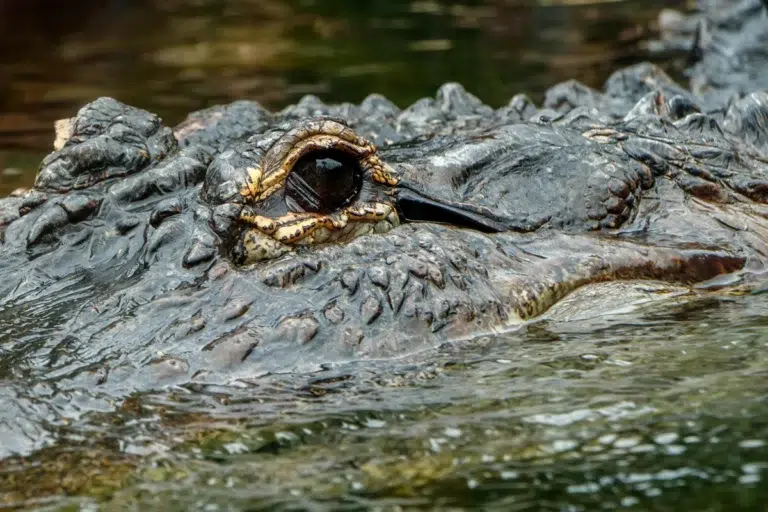
A woman's alligator death brought justice, but ignited a chilling firestorm of victim-blaming. Discover why a digital mob turned on her, revealing a shocking lack of empathy.
A woman’s brutal death by alligator on Hilton Head Island has ignited a firestorm of public cruelty, revealing a chilling readiness to blame the victim rather than demand accountability. Nancy Carol Myer, a vibrant 69-year-old event planner and a beloved resident of the upscale community for 35 years, was tragically killed. Her family has since won a significant, albeit undisclosed, payout from the Spanish Wells Property Owners Association (POA)—a clear victory for justice that has, shockingly, been met with a vicious backlash.
Myer’s life ended in horror on July 4, 2023. She was simply walking her dog near a tranquil lagoon in the Spanish Wells community, a routine she had likely performed countless times over decades. Without warning, an alligator dragged her into the water.

Her dog, a small beacon of fortune in an otherwise unspeakable tragedy, was unharmed. The incident shattered the idyllic facade of the picturesque island, forcing residents and observers alike to confront a harsh, deadly reality.
In the wake of this unspeakable loss, Myer’s family pursued a wrongful death lawsuit against the Spanish Wells Property Owners Association (POA). Their argument was clear and compelling: the POA had been negligent in its duty to manage the known alligator population within its boundaries, failing to ensure the safety of its long-term residents. This wasn’t merely an accident; it was a preventable tragedy.
Instead of offering a shred of human empathy, the public discourse surrounding this case has spiraled into an abyss of victim-blaming. Online forums and social media platforms are rife with comments so disgusting, so devoid of compassion, they expose a darker side of human nature. This isn’t just criticism; it’s a digital mob, baying for blood.
Critics, hiding behind screens, are quick to label the payout as some kind of “welfare for the reckless,” shouting “frivolous litigator jackpot” with a shocking lack of understanding. The sheer absence of humanity is staggering. How can a community, or indeed, the wider public, so readily mock a woman’s violent death?
The narrative twists Myer into an “idiot” for the simple act of walking her dog at dusk near water. They suggest she “fed the gator” or was somehow “asking for it.” One X thread, which garnered thousands of likes, ranted, “Hilton Head’s for rich retirees ignoring ‘no feeding gators’ signs—natural selection at work.”
This isn’t commentary; it’s a grotesque distortion, an attempt to absolve systemic failures by demonizing the deceased. It shifts blame from the profound responsibility of community management to a victim’s everyday, innocent actions, making it easier to dismiss the deeper issues at play.
Let’s be unequivocally clear: Nancy Carol Myer was not some oblivious tourist. She was a long-time resident, a pillar of that community for 35 years. This was not a freak accident in the untamed wilderness; it happened in a meticulously planned residential area where people pay handsomely for a sense of security.
The Spanish Wells POA had a fundamental responsibility—a legal and moral obligation—to ensure the safety of its residents, particularly concerning known dangers like alligators. Alligators are an inherent, documented danger in these beautiful coastal communities. This is not news.
Property owners associations exist precisely to manage these risks: to implement proper signage, to educate residents, to establish clear protocols for nuisance alligator removal, and to patrol common areas. When they fail in these critical duties, and that failure leads to a resident’s death, there must be severe consequences. A payout is not a “jackpot”; it is a legal and necessary acknowledgment of that devastating failure. It is a stark declaration that human life, even in the face of nature, is valued and protected by the communities we build.
The family’s lawsuit meticulously highlighted alleged negligence in how the POA handled the alligator population. This isn’t about blaming the animal for acting on its instinct. It is, and always will be, about holding humans accountable for managing the environment they create and cultivate for their residents. It’s about ensuring that the promise of safety in a planned community isn’t just an illusion.
The notion that a 69-year-old woman walking her dog should somehow be armed to the teeth or live in constant, paralyzing fear within her own community is utterly absurd. The glib, heartless response of “Carry, don’t sue” is not just callous; it’s a dangerous dismissal of collective responsibility. It suggests that individuals, not the organizations paid to maintain safety, bear the sole burden of protection.
We choose to live in beautiful places, often sharing space with wildlife. This comes with inherent, acknowledged risks. But residents pay substantial dues, and associations are specifically compensated to mitigate these risks. They are tasked with implementing robust safety protocols, not merely posting a few signs and hoping for the best.
When a resident, particularly a long-standing one, is killed in such a horrific manner, it is an undeniable failure of that system, not a personal failing on her part. It is a breach of trust, a betrayal of the very purpose of a property owners association.
The rampant victim-blaming online is a symptom of a far larger, more insidious societal problem. It is always easier to demonize the deceased, to invent flaws in the victim, than to confront uncomfortable truths about shared responsibility and the failures of powerful entities.
It is easier to brand someone an “idiot” than to demand better safety protocols, transparent management, and genuine accountability from the associations that govern our lives. This collective deflection allows systemic negligence to fester, endangering us all.
This significant payout sends an unequivocal, powerful message: negligence has a price. It is a price that should force property owners associations and similar governing bodies everywhere to critically re-evaluate their responsibilities and take them with the seriousness human life demands. Perhaps then, and only then, will fewer lives be senselessly lost to preventable tragedies, and communities can truly live up to their promise of safety and peace.
Source: Google News