Newsletter Subscribe
Enter your email address below and subscribe to our newsletter

Enter your email address below and subscribe to our newsletter

Learn how to build a mindful, sustainable wardrobe in 2026. Cut your closet size 30% while boosting confidence 40% through ethical fashion choices and intentional style.
Does your closet overflow while you still feel you have nothing to wear? That disconnect between abundance and satisfaction signals a deeper issue. This guide offers a practical path to align your style with sustainable values and mental clarity, reducing wardrobe size by 30% through mindful fashion practices while enhancing your well-being.
| Point | Details |
|---|---|
| Decision Fatigue Reduction | Mindful wardrobes with limited pieces reduce decision fatigue by 25%. |
| Sustainable Materials Impact | Organic and recycled fabrics significantly lower environmental footprint. |
| Brand Transparency Gap | Only 50% of fashion brands disclose ethical practices openly. |
| Capsule Wardrobe Size | 30 to 40 versatile pieces support long-term sustainable style. |
| Garment Life Extension | Proper care extends clothing lifespan by up to 50%. |
Mindful fashion merges sustainability with intentional living. It transforms how you choose, wear, and care for clothes by prioritizing quality over quantity and aligning purchases with your values.
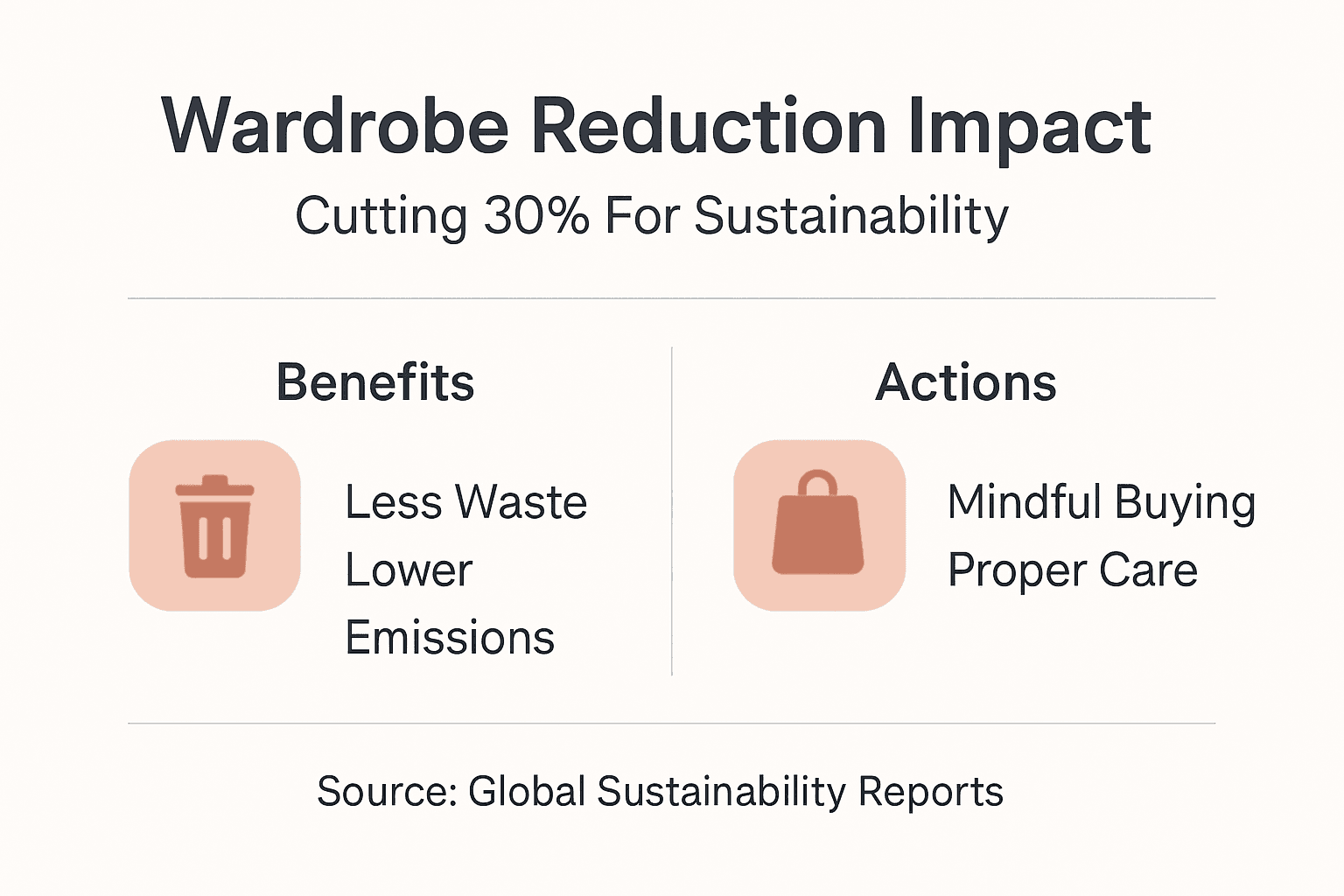
This approach tackles the core problems of modern wardrobes. Overconsumption leads to closets stuffed with rarely worn items. Impulsive buying drains your budget while contributing to fashion’s massive environmental footprint. The industry generates roughly 10% of global carbon emissions, making thoughtful choices urgent.
Mindful fashion delivers concrete benefits:
This isn’t about sacrifice. You build a wardrobe you love while supporting empowerment and mindful living principles. Each piece serves multiple purposes, simplifying your mornings and strengthening your personal brand.
The foundation rests on awareness. Before adding anything new, you pause and evaluate. Does this item serve your lifestyle? Will you wear it repeatedly? Does the brand align with your values? These simple questions transform shopping from autopilot to intentional.
Mindfulness shifts your relationship with clothing from reactive to intentional. You stop buying what catches your eye and start choosing what serves your life.
The mindfulness and fashion connection proves powerful. Research shows that mindful practices reduce decision fatigue by approximately 25% when you maintain a streamlined wardrobe. Fewer choices mean clearer mornings and reduced mental load.
Implement mindfulness through these practical steps:
Fast fashion thrives on impulse. Retailers design stores and websites to trigger quick decisions. Mindfulness creates a buffer between desire and action, protecting you from marketing manipulation.
Your style becomes more authentic when you choose consciously. Instead of chasing what influencers wear, you curate pieces that express your personality and support your daily activities.
Pro Tip: Before shopping, photograph your current wardrobe. Review these images to identify gaps versus redundancies, preventing duplicate purchases.
Fabric choice determines environmental impact more than you might expect. Sustainable materials significantly reduce carbon footprint compared to conventional alternatives.
Knowing sustainable material basics empowers smarter decisions:
Certifications matter. Look for Global Organic Textile Standard (GOTS), OEKO-TEX, or Bluesign labels. These verify that fabrics meet strict environmental and social standards throughout production.
Ethical manufacturing extends beyond materials. It includes fair wages, safe working conditions, and transparent supply chains. Fashion workers deserve dignity, yet many face exploitation in pursuit of cheap clothing.
Fashion accounts for approximately 10% of global carbon emissions. Your material choices directly influence this impact. Choosing certified organic fabrics supports regenerative agriculture and cleaner water systems.
Not all natural fibers are sustainable by default. Conventional cotton farming depletes soil and relies heavily on pesticides. Bamboo can be processed with harsh chemicals that negate its eco-friendly origin. Always verify certifications rather than assuming natural equals sustainable.
Greenwashing pollutes the sustainable fashion landscape. Brands slap eco-friendly labels on products without meaningful environmental practices, exploiting your good intentions.
Transparency reveals truth. Yet only 50% of brands openly disclose their ethical practices, making verification essential. Look for certifications like Fair Trade, GOTS, or B Corporation status as reliable indicators.
Recognize red flags when researching brands:
Verify ethical brand practices through multiple channels. Visit company websites and read their sustainability reports. Check social media for how they respond to customer questions about ethics. Search independent databases like Good On You or Fashion Revolution’s Transparency Index.
Genuine sustainable brands publish detailed information. They share factory locations, worker welfare policies, environmental impact data, and improvement goals. Transparency builds trust because they have nothing to hide.
Some brands offset rather than reduce emissions. While carbon offsets provide some benefit, prioritize companies that minimize impact at the source through renewable energy, local production, and waste reduction.
Pro Tip: Email brands directly asking specific questions about wages, working conditions, and material sourcing. Their response quality and speed reveal commitment to transparency.
A capsule wardrobe simplifies life while supporting sustainability. The concept centers on 30 to 40 versatile pieces worn for three or more years, creating countless outfit combinations from fewer items.
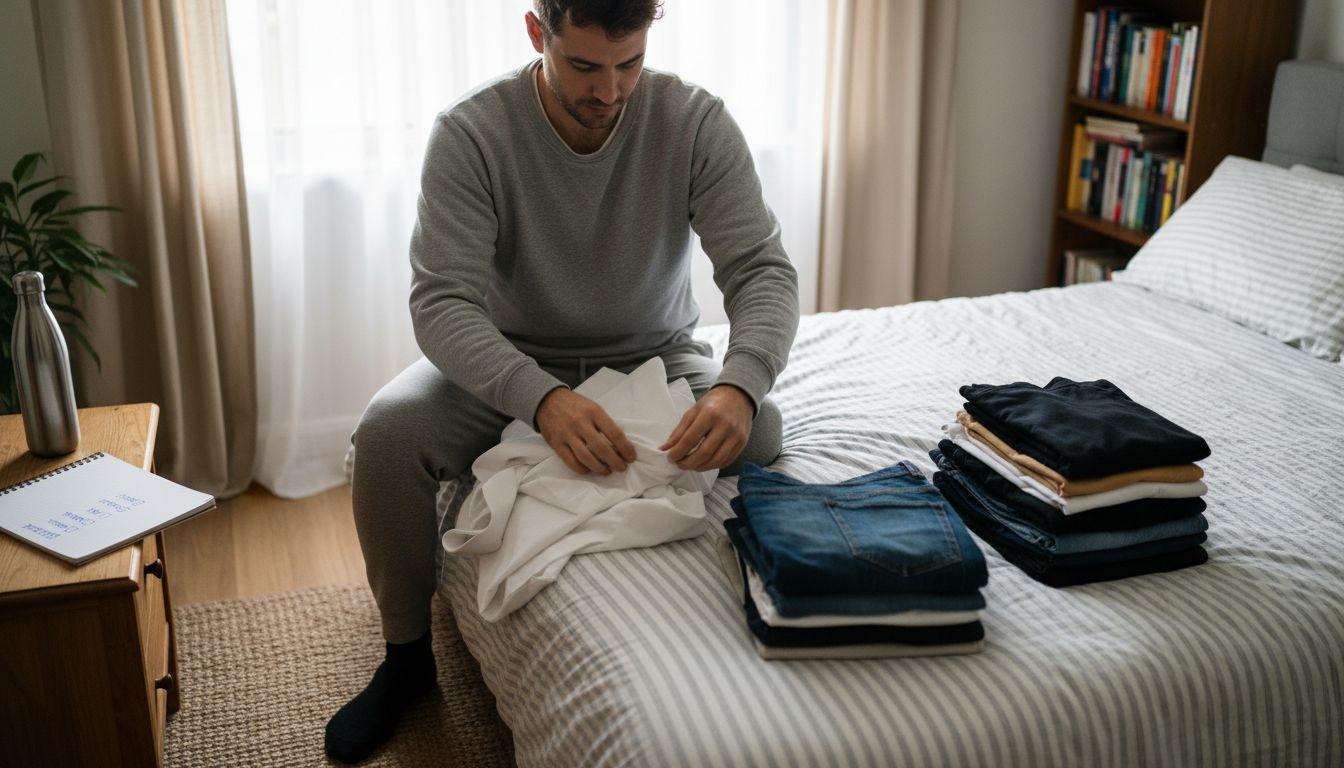
This streamlined approach delivers multiple benefits beyond environmental impact. You save time getting dressed, spend less money replacing trendy pieces, and develop a signature style that feels authentically yours.
Follow these steps to build your sustainable capsule:
Resale platforms grow 20 to 25% annually, offering circular fashion solutions. ThredUp, Poshmark, and Depop extend garment life by connecting sellers with new owners. Rental services like Rent the Runway provide occasion wear without purchase commitment.
Repair services breathe new life into damaged favorites. Learning basic mending saves money while reducing waste. Many communities offer repair workshops where you can learn skills and connect with like-minded individuals.
Balance personal expression with sustainability by choosing timeless styles in your preferred aesthetic. Whether you love bohemian, minimalist, or classic looks, capsule wardrobes adapt to any taste. The key is selecting multifunctional pieces that work across contexts.
Building confidence with mindful style happens naturally when every item in your closet serves you well.
| Capsule Wardrobe Feature | Benefit | Sustainability Impact |
|---|---|---|
| 30-40 versatile pieces | Reduces decision fatigue | Fewer items manufactured |
| 3+ year lifespan per item | Saves money long-term | Dramatically cuts textile waste |
| Neutral color palette | Maximizes outfit combinations | Prevents overbuying |
| Quality construction | Items withstand frequent wear | Reduces replacement cycle |
| Timeless styles | Avoids trend obsolescence | Decreases fast fashion demand |
Proper care determines how long your clothes last. Correct washing and mending extend garment life by 30 to 50%, making care practices essential for sustainable fashion.
Washing methods significantly impact fabric longevity. Hot water breaks down fibers faster than cold. Harsh detergents fade colors and weaken materials. Overdrying causes shrinkage and damage.
Implement these garment care tips immediately:
Mending skills empower you to fix rather than discard. Basic techniques like sewing buttons, patching small holes, and reattaching hems take minutes to learn. YouTube offers countless tutorials for beginners.
Many repairs require only needle, thread, and patience. A small mending kit costs under $20 and pays for itself after fixing just a few items. Consider visible mending techniques that turn repairs into decorative features, celebrating the life and stories of your garments.
Storage impacts longevity as much as cleaning. Cedar blocks repel moths naturally without chemicals. Proper folding prevents stretching in knit fabrics. Breathable garment bags protect special items from dust while allowing air circulation.
Regular maintenance prevents small issues from becoming major problems. Check garments monthly for loose buttons, small tears, or worn seams. Address these immediately before they worsen and require professional repair or replacement.
Even committed sustainable fashion adopters encounter obstacles. Recognizing common pitfalls helps you navigate challenges and stay on track.
Greenwashing causes 60% of ineffective eco-purchases, wasting money on false promises. Combat this by verifying every sustainability claim through third-party certifications rather than trusting marketing language.
Avoid these frequent mistakes:
Impulse buying remains challenging even when shopping sustainable brands. Sales create urgency that short circuits mindful evaluation. Remember that the most sustainable purchase is often no purchase at all.
Fast fashion pressure intensifies around seasons and trends. Social media amplifies this by constantly showcasing new styles. Unfollow accounts that trigger comparison or shopping urges. Follow common pitfalls in sustainable fashion educators instead.
Not all organic certifications are equal. Research what each certification actually guarantees. Some verify only final product testing while others ensure ethical practices throughout the entire supply chain.
Wardrobe size creep happens gradually. You start with 40 pieces but slowly add “essential” items until you’re back at 80. Schedule quarterly audits to maintain your target range and remove pieces that no longer serve you.
Tracking progress keeps you motivated and demonstrates the real impact of mindful fashion choices. Set realistic expectations based on typical outcomes.
Most people achieve 20 to 30% wardrobe size reduction within the first year of adopting mindful practices. This happens gradually as you stop impulse buying and remove unworn items.
Satisfaction increases significantly. Studies show participants report 40% higher contentment with their sustainable wardrobes compared to their previous conventional closets. Quality over quantity delivers genuine joy.
Measure your success through these concrete metrics:
Environmental benefits compound over time. Fewer purchases mean less manufacturing demand. Longer garment life reduces textile waste. Supporting ethical brands shifts industry practices through your spending power.
Mental health improvements often surprise new adopters. Decision fatigue relief creates more mental space for important choices. Alignment between values and actions reduces cognitive dissonance and builds self-respect.
Mindful fashion success metrics extend beyond numbers to qualitative changes in how you relate to clothing and consumption.
| Metric | Timeline | Expected Outcome |
|---|---|---|
| Wardrobe size reduction | 12 months | 20-30% fewer total items |
| Satisfaction increase | 6-12 months | 40% improvement in contentment |
| Garment lifespan | Ongoing | 3+ years average per piece |
| Impulse buying reduction | 3-6 months | 50% decrease in unplanned purchases |
| Decision time savings | 1-3 months | 25% faster morning routines |
Your mindful fashion journey continues beyond this guide. Woman Edit offers ongoing inspiration and practical advice for sustainable, confident style.
Discover how Quiet Luxury style aligns perfectly with mindful fashion principles. This aesthetic celebrates understated elegance, quality craftsmanship, and timeless design over flashy logos and trend chasing.
Explore modern sustainable wardrobe updating tips that help you refresh your look without abandoning your capsule foundation. Small, intentional additions keep your style current while maintaining sustainability commitments. Woman Edit provides curated resources that support your values while celebrating personal expression through fashion.
Mindful fashion combines sustainability with intentional awareness in every clothing choice. While sustainable fashion focuses primarily on environmental and ethical production, mindful fashion adds the psychological dimension of conscious consumption and personal values alignment.
Check for third-party certifications like Fair Trade, GOTS, or B Corporation status. Research transparency reports on company websites, consult independent databases like Good On You, and email brands directly with specific questions about wages and working conditions. Genuine ethical brands provide detailed answers readily.
Absolutely. Capsule wardrobes adapt to any aesthetic from bohemian to minimalist to classic. The concept focuses on versatility and quality, not specific styles. You choose pieces that reflect your personality while ensuring they work together cohesively.
Wash in cold water, air dry instead of machine drying, and spot clean minor stains. Turn items inside out before washing and use gentle detergents. Learn basic mending to fix small issues immediately before they worsen.
You’ll notice reduced decision fatigue within the first month as you streamline choices. Financial savings become apparent within three to six months as impulse purchases decrease. Full wardrobe transformation and maximum satisfaction typically develop over 12 months of consistent practice.