Newsletter Subscribe
Enter your email address below and subscribe to our newsletter

Enter your email address below and subscribe to our newsletter

Discover evidence-based women's wellness benefits for 2026. Learn how sleep, exercise, nutrition, and social connections boost your physical and mental health with practical tips.
Between juggling careers, relationships, and personal goals, many women struggle to prioritize wellness. Yet understanding the specific benefits of women’s wellness practices can transform your health trajectory. Research shows that establishing healthy habits in your 20s sets the foundation for lifelong vitality. This article explores evidence-based wellness benefits backed by 2026 research, offering practical strategies to help you make informed choices that support your physical, mental, and emotional well-being for decades to come.
| Point | Details |
|---|---|
| Early habits matter | Building wellness routines in your 20s and 30s creates lasting health benefits throughout life. |
| Exercise transforms health | Regular physical activity strengthens your heart, bones, and mental resilience simultaneously. |
| Sleep consistency wins | Maintaining fixed sleep schedules within 30 minutes boosts energy and stress management. |
| Nutrition knowledge empowers | Understanding nutrients like folate supports reproductive health and informed dietary choices. |
| Social bonds protect | Regular friend and family contact reduces loneliness and enhances emotional well-being. |
Your 20s and 30s represent a critical window for building wellness foundations. Early adult habits influence decades of health outcomes, affecting everything from disease prevention to quality of life. This period shapes patterns that either protect or undermine your future well-being.
Think of your body as a high-performance vehicle. Regular maintenance now prevents costly repairs later. The same principle applies to your health. Engaging with preventive medical care during these formative years establishes protective routines. Schedule annual checkups with your OBGYN, dentist, and eye doctor. These appointments catch potential issues before they escalate.
Beyond medical visits, daily habits create your wellness blueprint. Consider these foundational practices:
Pro Tip: Start with one habit at a time. Trying to overhaul everything simultaneously often leads to burnout. Master consistent sleep schedules first, then layer in exercise and nutrition improvements.
The science is clear: taking action early yields sustainable benefits. Women who establish essential wellness tips in young adulthood report better health markers, fewer chronic conditions, and enhanced life satisfaction decades later. Your future self will thank you for the investments you make today.
Mental health deserves the same attention as physical fitness. Women face unique psychological challenges, with those aged 18-35 experiencing nearly twice the anxiety and depression rates compared to men. These statistics highlight the urgent need for targeted mental wellness strategies.
Sleep stands as your brain’s reset button. Research confirms that consistent sleep patterns significantly improve energy and overall health in young women. The key lies not just in duration but regularity. Going to bed and waking within a 30-minute window daily stabilizes your circadian rhythm, enhancing mood regulation and cognitive function.
Self-care extends beyond bubble baths and face masks. Simple, consistent activities boost mental resilience and emotional strength. These practices create protective buffers against daily stressors. Consider incorporating:
Screen time before bed disrupts melatonin production, sabotaging sleep quality. Swap scrolling for reading, gentle stretching, or calming music during your final hour awake. This simple shift can dramatically improve how rested you feel.
Pro Tip: Create a shutdown ritual signaling your brain that work mode is ending. This might include changing clothes, brewing herbal tea, or lighting a candle. Consistent cues help your mind transition into relaxation.
Emotional resilience grows through practice, not perfection. Small daily commitments to mental health accumulate into significant gains. You’re not aiming for constant happiness but rather building capacity to navigate life’s inevitable challenges with greater ease and flexibility.
What you eat and how you move shape every aspect of your health. Nutritional knowledge empowers smarter choices, particularly regarding nutrients critical for women’s reproductive wellness. Studies show 98.9% of women recognize folate recommendations, yet deeper understanding varies significantly. This gap matters because adequate folate intake before and during pregnancy prevents neural tube defects.
Physical activity delivers benefits far beyond weight management. Regular exercise reduces health complications while improving life quality across multiple dimensions. Your heart grows stronger, bones maintain density, and mental clarity sharpens. Yet many women fall short of recommended activity levels.
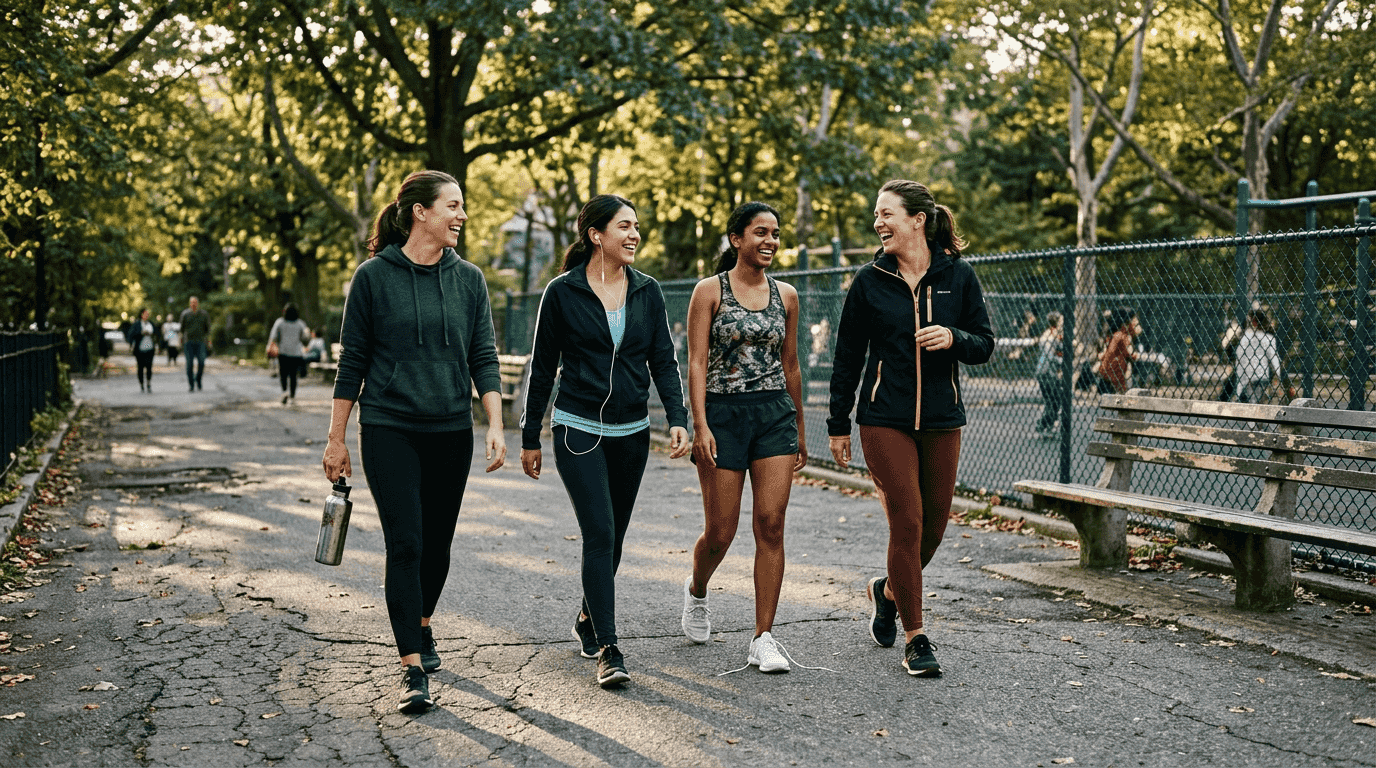
Current data reveals that only 25.1% of women aged 18-44 meet both aerobic and strength training guidelines. This represents a significant opportunity gap. Closing it requires understanding what adequate exercise actually looks like:
| Activity Type | Weekly Recommendation | Examples |
|---|---|---|
| Aerobic exercise | 150 minutes moderate intensity | Brisk walking, cycling, swimming |
| Strength training | 2 sessions targeting major muscle groups | Bodyweight exercises, resistance bands, weights |
| Flexibility work | 2-3 sessions | Yoga, stretching routines, tai chi |
You don’t need expensive gym memberships or complicated equipment. Bodyweight exercises at home, neighborhood walks, and online workout videos provide effective alternatives. The best exercise program is the one you’ll actually maintain.
Nutrition and movement work synergistically. Fueling workouts with balanced meals maximizes performance and recovery. Focus on:
Pro Tip: Prep grab-and-go snacks like cut vegetables, hard-boiled eggs, and mixed nuts. Having nutritious options readily available prevents impulsive less healthy choices when hunger strikes.
Consider tracking your activity and nutrition for one week without judgment. This awareness reveals patterns and opportunities for improvement. Many women discover they’re eating less protein or moving less than they realized. Knowledge creates the foundation for self-care practices that truly serve your body’s needs.
Some health conditions disproportionately affect women, requiring specific attention and management strategies. Polycystic ovary syndrome exemplifies this reality. PCOS affects approximately 12.6% of women and links to multiple health burdens including metabolic, reproductive, and psychological challenges. Women with PCOS face higher risks for insulin resistance, irregular periods, and mood disorders.
Lifestyle factors play crucial roles in managing PCOS symptoms. Women with this condition often exhibit different health behaviors compared to those without it, affecting outcomes significantly. Regular exercise helps regulate insulin sensitivity. Balanced nutrition supports hormone stability. Stress management reduces symptom severity. These interventions complement medical treatment, creating comprehensive care approaches.
Your social life isn’t frivolous; it’s fundamental to wellness. Regular contact with friends and family creates belonging and protects against loneliness. This matters enormously because isolation correlates with increased depression, anxiety, and even physical health decline. Strong social networks buffer life’s stressors, providing emotional support during challenging times.
Balancing medical management with healthy relationships supports long-term wellness. Consider these strategies:
Proactive awareness helps manage risks associated with common female health conditions. If you experience irregular periods, unexplained weight changes, or persistent fatigue, consult your healthcare provider. Early diagnosis and intervention prevent complications while improving quality of life.
| Health Factor | Impact on Women | Management Strategy |
|---|---|---|
| PCOS | Affects 12.6% of women, impacts metabolism and reproduction | Lifestyle modifications plus medical care |
| Social isolation | Increases depression and anxiety risk | Regular meaningful social contact |
| Hormonal fluctuations | Influences mood, energy, and physical symptoms | Tracking cycles, stress management, nutrition |
Pro Tip: Use a period tracking app to identify patterns in your symptoms, energy levels, and mood. This data helps you anticipate challenging days and communicate effectively with healthcare providers about concerns.
Your wellness journey encompasses both individual health management and community connection. Neither exists in isolation. The woman who prioritizes wellness tips while nurturing relationships creates resilience that extends far beyond any single health metric. You deserve comprehensive support addressing your whole self, not just isolated symptoms.
You’ve learned how foundational habits, mental health practices, nutrition, exercise, and social connections create comprehensive wellness. But knowledge alone doesn’t transform lives. Action does. WomanEdit offers curated resources designed specifically for women navigating the complex landscape of modern health and lifestyle choices.
Our expert guides provide practical strategies you can implement immediately. Discover wellness tips tailored for your life stage, explore self-care routines that fit busy schedules, and access inspiration through our women empowerment guide addressing the unique challenges you face. These resources translate research into actionable steps, helping you build lasting healthy habits that support your goals. Your wellness journey deserves expert support and community connection. Explore WomanEdit’s content to find the guidance, inspiration, and practical tools that resonate with your personal path toward balanced health and empowered living.
Prioritizing wellness delivers improvements across physical, mental, and emotional health dimensions. You’ll experience enhanced energy levels, better stress management, reduced disease risk, and improved quality of life. These benefits compound over time, creating protective effects that extend throughout your lifespan.
Exercise strengthens cardiovascular function, maintains bone density, and reduces risks for conditions like osteoporosis and heart disease. It also enhances mental health by reducing anxiety and depression symptoms while improving sleep quality. Just 30 minutes daily creates measurable health improvements across multiple systems.
Consistent sleep schedules regulate your circadian rhythm, which controls hormone production, metabolism, and immune function. Women who maintain regular sleep and wake times within 30 minutes report better energy, improved mood stability, and enhanced stress resilience compared to those with irregular patterns.
Understanding key nutrients like folate, iron, and calcium helps you make informed dietary choices supporting reproductive wellness. Adequate folate intake before pregnancy prevents birth defects, while balanced nutrition regulates menstrual cycles and supports fertility. Nutritional awareness empowers proactive health management.
Regular social contact protects against loneliness, depression, and anxiety while providing emotional support during stressful periods. Strong relationships create sense of belonging and purpose, both critical for mental well-being. Women with robust social networks report higher life satisfaction and better health outcomes overall.




![[Analyst Name]: "Shadow Banks Aren't Targeting Your 401(k)](https://womanedit.com/wp-content/uploads/2026/04/draft-1759-1775335398446-display-768x512.webp "[Analyst Name]: \"Shadow Banks Aren't Targeting Your 401(k)")