Newsletter Subscribe
Enter your email address below and subscribe to our newsletter


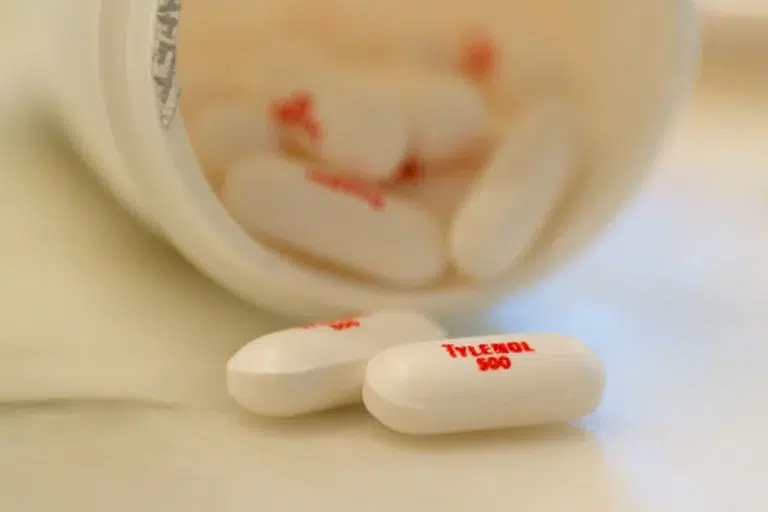
Tylenol for aches and fevers is silently destroying livers. Uncover the hidden dangers of this everyday drug before you take another dose.
That seemingly innocuous pill you reach for without a second thought – for a headache, a fever, or those nagging aches – is probably in your medicine cabinet right now. Turns out, this common over-the-counter drug is quietly sending a growing number of people to the hospital with serious, long-lasting liver damage. This isn’t some obscure prescription; it’s a staple of modern self-medication.
The numbers are stark, and they’re climbing. Across emergency rooms and specialist clinics, doctors are noticing a worrying spike in cases of acute liver injury directly linked to the misuse or even standard use of acetaminophen, known universally in the U.S. as Tylenol and paracetamol in Europe. This isn’t just a minor upset stomach; this is damage serious enough to warrant hospital stays, and in the worst cases, can lead to liver failure and the desperate need for a transplant.

What’s happening? Acetaminophen is marketed as safe and effective, but only when used precisely as directed. The problem lies in that ‘precisely’ part; many people don’t realize how quickly they can exceed the recommended daily dose. It’s hidden in cold and flu remedies, allergy medications, and sleep aids, often bundled with other active ingredients, meaning a headache pill and a cold remedy can quickly overload your system, turning the substance into a potent liver toxin.
The sheer ubiquity and perceived safety of OTC drugs are part of the issue. Readily available on supermarket shelves with no prescription, this fosters a sense of ‘it must be harmless’ that isn’t true for many medications, especially when misused. The margin between a therapeutic and toxic dose for acetaminophen is surprisingly narrow; varying strengths, confusing ingredient lists, and taking ‘a little extra’ when symptoms are severe combine to create a recipe for disaster.
“Patients often tell us they had no idea. They just kept taking what they thought was helping, not realizing they were simultaneously poisoning their liver. It’s a silent assault until the damage is already significant.” – A hepatologist, speaking anonymously due to clinic policy.
The liver is remarkably resilient, but it has its limits. When overwhelmed by acetaminophen metabolites, its cells begin to die, leading to inflammation, impaired function, and potentially permanent scarring. Recovery can be long and arduous, and for some, the damage is irreversible.
Here’s the cold, hard truth: The pharmaceutical industry makes billions selling these drugs, incentivized to keep them readily available and perceived as harmless.
The onus for safe use is almost entirely dumped on the consumer, who is expected to understand complex dosing instructions across multiple products, often while feeling ill and vulnerable.
Regulators, meanwhile, move at a glacial pace, preferring to tweak warning labels rather than address the fundamental issue of how easily people can accidentally poison themselves. This calculated risk management strategy prioritizes market access and profit margins over public health.
Don’t expect a major overhaul anytime soon; the system works exactly as designed – for those at the top.
Photo: Wikimedia Commons (query: Tylenol causing)
Source: Google News