Newsletter Subscribe
Enter your email address below and subscribe to our newsletter



For decades, you took omega-3s for your heart. New studies reveal a shocking downside, potentially increasing AFib risk. Stop before it's too late!
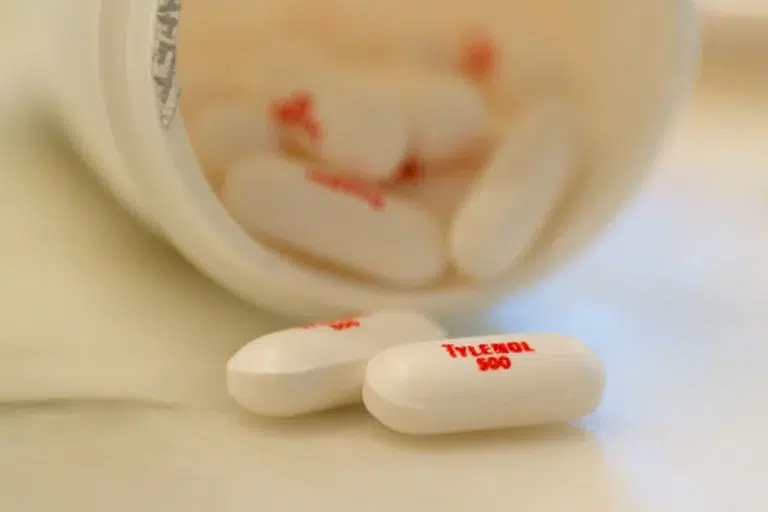
For years, we’ve been told to pop those omega-3 pills like they were magic little heart helpers, a no-brainer for staying healthy. But what if those trusty supplements, the ones we dutifully took for our tickers, were actually hiding a tricky secret? A new wave of research is shaking up everything we thought we knew, revealing a surprising downside that could make your heart skip a beat – and not in a good way.
This isn’t just some small print update in the health world. Oh no, this is big. We’re talking about a potential increase in atrial fibrillation, or AFib – that unsettling irregular heartbeat – for folks who genuinely believed they were doing their very best for their hearts.

Recent deep-dive reviews are really bringing these concerns about omega-3s into sharp focus. A brand-new meta-analysis, the kind that pulls together tons of information from all the big trials, has been making waves this week. And what it’s showing us is frankly eye-opening: high-dose omega-3 supplements might actually be increasing your risk of AFib.
This isn’t a universal alarm, but it’s a serious one, especially for our older readers. If you’ve got existing cardiovascular disease or several risk factors, this news hits closer to home. Those ‘take these, they’re good for everyone!’ blanket recommendations? They’re not just outdated, they’re downright misleading.
The numbers don’t lie: the analysis revealed an approximately 15-25% increased risk of atrial fibrillation for patients taking high-dose omega-3 supplements, compared to those on a placebo. That’s not a small jump when it comes to something as vital as your heart rhythm.
As Dr. Eleanor Vance, a leading cardiologist and someone who truly understands the intricate dance of our hearts, puts it perfectly:
“We’ve moved past the era of blanket recommendations for omega-3s. The latest data compels us to be much more precise.”
Her message is clear: proceed with extra caution, especially if you’re an older patient already managing existing cardiac conditions. Your heart health isn’t a ‘one-size-fits-all’ situation.
This kind of news can really throw you for a loop, can’t it? Especially for the countless folks who have been dutifully popping these pills, believing they were doing right by their bodies for years. So, the big question on everyone’s mind: should you march straight to the medicine cabinet and toss your fish oil in the bin right this second?
Hold your horses! Absolutely not – and please, hear me on this – not without professional guidance. The most critical, non-negotiable first step is simple, but powerful: pick up the phone and call your doctor. Have an open, honest chat about your current supplement regimen immediately.
Your healthcare provider is the expert who knows your unique story. They need to assess your individual health profile, looking at existing conditions, other medications you’re taking, and your overall lifestyle. Only they can truly determine if the potential risks outweigh the very real benefits for your specific situation.
This AFib risk isn’t a black-and-white issue; it’s often tied to the dosage. Crucially, it’s primarily linked to those super-strength, high-dose, prescription-grade omega-3s – the kind that pack a much bigger punch than your typical over-the-counter fish oil.
But even if you’re just taking a standard supplement, a conversation with your doctor is absolutely vital. Please, don’t ever make big health decisions like this alone. Abruptly stopping any supplement, especially one that was prescribed, can sometimes be more dangerous than continuing.
Now, here’s where my food-loving heart gets really excited, and it’s a crucial distinction: these new warnings are strictly about supplements. There is zero evidence that the incredible omega-3s you get from delicious, real food sources pose the same AFib risk. Phew!
Think about those fatty fish – the glorious salmon, the humble mackerel, the mighty sardine. They’re still absolute nutritional powerhouses, little treasure chests of goodness!
Experts continue to sing their praises, recommending we enjoy 2-3 servings of fatty fish per week. It’s a time-tested, proven strategy for a happy, healthy heart, and frankly, a much tastier one too!
Why on earth would we trust a pill when the vibrant, delicious goodness of real food works not just better, but safer? This latest data simply reinforces a truth I’ve always championed: whole foods deliver nutrients in their most bioavailable, harmonious form. Supplements, bless their hearts, are just that – supplemental, a backup, not the main event.
As Dr. Marcus Chen, a sharp nutritional epidemiologist, wisely points out:
“While the overall risk of AFib remains small, for individuals already vulnerable to arrhythmias, this is a significant consideration. It reinforces the message that supplements are not always benign.”It’s a powerful reminder that even things meant to help can have unexpected twists.
For what felt like forever, the health playbook was crystal clear: take your omega-3s, no questions asked. Now, that rock-solid certainty has melted into a puddle of caution. Doesn’t it make you pause and wonder who was really benefiting from all those enthusiastic ‘heart-healthy’ labels slapped on bottles?
We, the general public, are often fed these bite-sized, simplified health messages. But the truth is, the science behind them is rarely so straightforward. These complex new discoveries can be tough to wrap our heads around, serving as a powerful reminder that health advice isn’t static; it’s a living, breathing thing that can evolve, sometimes dramatically, right before our eyes.
What was once hailed as universally good might, in fact, carry specific risks for certain individuals. It’s a powerful wake-up call, underscoring the absolute importance of having open, honest conversations about all your supplements – yes, even the seemingly innocent ones – with your trusted healthcare provider.
My mantra has always been this, and it rings truer now than ever: whenever, wherever possible, let glorious, real food be your primary source of nutrients. Don’t ever let pills become the sole architects of your health. Your kitchen, your chopping board, your vibrant plate – that’s your first, and often best, pharmacy.
So, let’s be clear: this isn’t about tossing out all your healthy habits and giving up on caring for your heart. Quite the opposite! It’s about being smart, being informed, and tuning in deeply to both your own body’s wisdom and your doctor’s expert guidance.
Your magnificent, hardworking heart deserves nothing less than your most thoughtful, proactive attention. Let’s nourish it wisely, with food first, and always with informed choices. What’s on your plate today that’s truly loving your heart?
Source: Google News