Newsletter Subscribe
Enter your email address below and subscribe to our newsletter


The no oil cooking trend is sabotaging your health. Experts reveal how cutting all fats blocks vital nutrient absorption, doing more harm than good.
The internet is once again serving up a dangerous diet trend: the “no oil/butter” cooking craze. This isn’t just misguided; it’s actively sabotaging your body’s ability to absorb vital nutrients and undermining your long-term health goals.
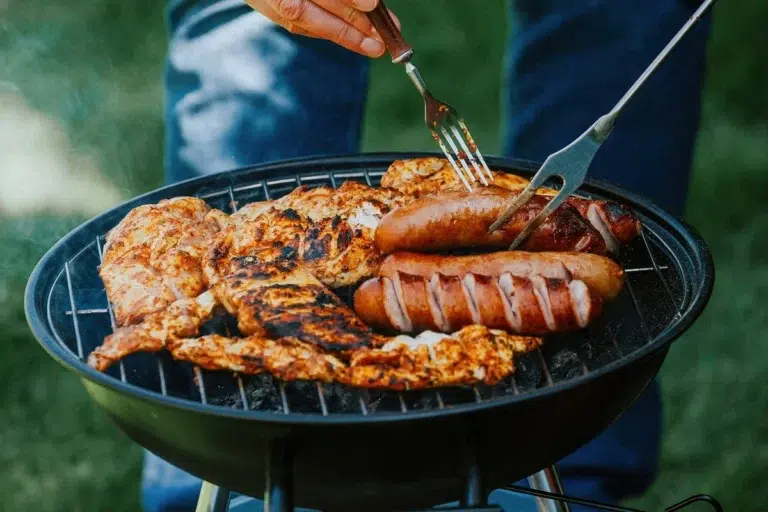
This dangerous social media trend demands you cook raw meat and vegetables using only “natural juices.” Its disciples tout it as a calorie-cutting, “clean eating” method, pushing dry-frying meat and steaming vegetables with absolutely no added fats.

But the scientific community, particularly leading dietitians and nutritionists, is raising a red flag. While calorie reduction is often a worthy goal, this extreme fat elimination is a catastrophic error. Your body needs dietary fats for critical functions, especially absorbing essential fat-soluble vitamins like A, D, E, and K.
This isn’t new territory. This “no fat” obsession eerily echoes the disastrous low-fat craze of the 1980s and 90s. Back then, fat was demonized, leading to supermarket shelves overflowing with highly processed, low-fat but sugar-laden products.
We learned from that mistake – or so we thought. The scientific consensus has long clarified that healthy fats are unequivocally essential. Yet, here we are again, watching influencers peddle this warmed-over pseudoscience, repackaged for a new generation. It’s pure, monetized masochism for the chronically online, preying on genuine health aspirations.
Dr. Lena Hansen, a prominent registered dietitian, minced no words on the matter. “Eliminating all oils and butter from your cooking might seem like a shortcut to calorie reduction, but it’s a shortcut that can lead to significant nutritional detriments,” she warned.
“Fat-soluble vitamins from your vegetables simply won’t be absorbed efficiently without some fat present. You’re essentially missing out on the very nutrients you’re trying to gain.”
Think about that. You’re eating your greens, but your body can’t properly use the good stuff in them. That’s a losing battle for your health.
Healthy fats aren’t just a culinary indulgence; they are fundamental for your very well-being. They deliver essential fatty acids your body can’t produce, support robust hormone production, and fuel critical brain health. Beyond the science, they simply make your food taste incredible and keep you feeling satiated, not starved.
Dr. Marcus Thorne, a nutritionist specializing in metabolic health, called this trend “a dangerous step backward.”
“We know better now. Healthy fats aren’t merely about taste; they’re critical for satiety, precise hormone regulation, and supporting a multitude of vital bodily functions. Advocating for their complete removal is not just misguided, it’s profoundly irresponsible.”
The online community isn’t buying it either. Social media users are tearing this trend apart, with Reddit and X threads mocking it as “starvation cosplay.” They rightly point out how ditching all fats obliterates the absorption of crucial vitamins. Some even sarcastically label it a “Big Kale psyop” designed to sell sad, flavorless salads to the unsuspecting.
Let’s be clear: this isn’t about chasing perfection. It’s about being smart, informed, and strategic with your health. With an estimated 30-40% of social media users trying diet trends seen online without professional advice, this ‘no fat’ dogma risks not only severe nutrient deficiencies but also fosters an unsatisfying, unsustainable diet that sets you up for failure.
So, if completely ditching fat is a recipe for disaster, what should you be using? The answer isn’t complicated: it’s about making smart, informed choices and embracing moderation.
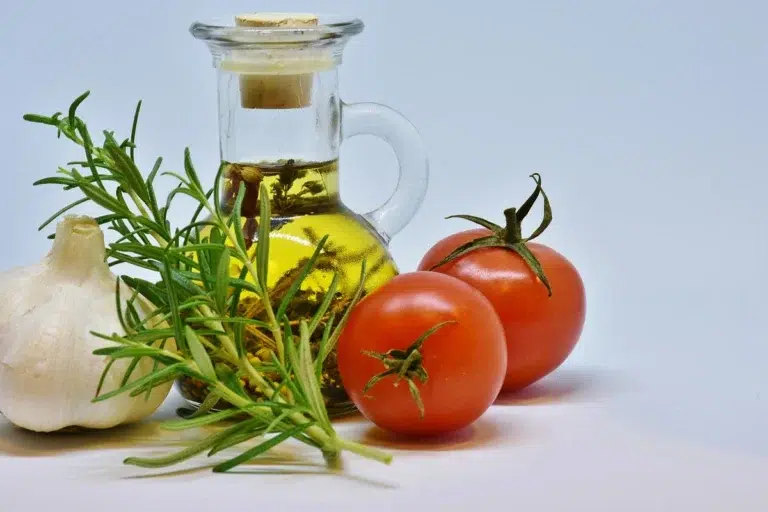
Always remember smoke point. Olive oil excels at lower-to-medium heat applications. Avocado oil, a true workhorse, handles high-heat searing like a champ. Butter, with its rich flavor, is best reserved for gentle sautéing or finishing dishes.
Even healthy fats are calorie-dense, so precision matters. Aim for a targeted 1-2 tablespoons per meal serving. This golden ratio provides ample fat for optimal nutrient absorption without piling on unnecessary excess calories.
And don’t just rely on your cooking oils. Integrate healthy fats directly from whole foods. Nuts, seeds, fatty fish like salmon, and avocados are natural powerhouses packed with these essential nutrients. Build a balanced, vibrant diet that truly nourishes your body from the inside out.
The ‘no oil’ trend isn’t just misguided; it’s a stark reminder of how easily online hype overrides fundamental nutritional science.
Don’t fall for this performative purity theater that promises health but delivers deficiency. Embrace healthy fats – the right fats, in the right amounts – for superior taste, optimal nutrient absorption, and genuinely robust health.
Cook smart. Fuel your body intelligently. Reclaim your kitchen from the clutches of online fads. Your health, and your taste buds, will thank you.
Source: Google News