Newsletter Subscribe
Enter your email address below and subscribe to our newsletter


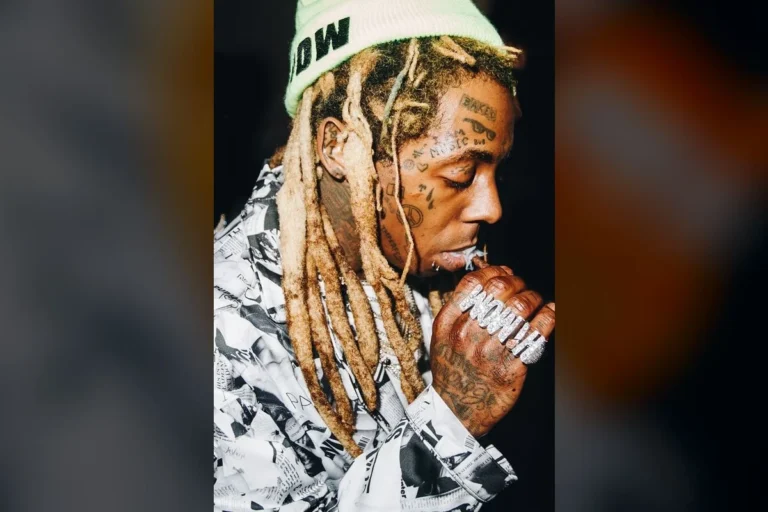
Lil Wayne's 3-hour delay in Gilford left thousands outraged. Was it a disrespectful insult, or just another example of "artist privilege"?
This past Friday, the usually pristine July air in Gilford, a promise of perfect summer nights by Lake Winnipesaukee, was choked with something far less pleasant: the palpable frustration of thousands. Lil Wayne, the much-anticipated headliner at our esteemed Bank of New Hampshire Pavilion, left an entire audience – our neighbors, our friends – waiting for nearly three agonizing hours. What was sold as a premium holiday weekend experience devolved into a test of patience, and frankly, an insult.
This wasn’t just a slight delay; it was an outright disregard for the very people who fuel the entire music industry.

The Bank of New Hampshire Pavilion is a jewel, a sophisticated venue that draws top-tier talent to our beautiful Lakes Region.
When you secure tickets, ranging from $60 lawn seats to over $200 for prime spots, you’re not just buying a ticket; you’re investing in an experience. You’re meticulously planning your evening, your childcare, your long drive, your entire holiday weekend around it.
Fans arrived expecting opening acts to kick off at 7:00 PM, leading to a timely main performance. Instead, Lil Wayne graced the stage well after 10:00 PM.
“We paid good money for these tickets, drove two hours, and he shows up three hours late? My kids were exhausted. It’s just disrespectful,” lamented Sarah Jenkins to WMUR, her frustration palpable.
Michael Chen, venting on a local Facebook group, cut straight to the core of the issue: “No apology, no explanation. Just expected us to wait. I left at 10:15. I’m not paying to stare at an empty stage.”
The venue, in a brief social media post, merely acknowledged “the frustration regarding the late start,” offering no real answers or concrete recourse for the thousands left in the lurch.
This isn’t Lil Wayne’s first rodeo with lateness. His history includes a 45-minute delay in Syracuse in 2017 and a walk-off after just four songs in 2019.
Is this simply a “rock star” quirk, or something far more insidious? This pattern isn’t a quirk; it’s a calculated behavior.
It tells us precisely what value he places on his audience’s time and money. For an artist of his stature, the financial incentive to perform is already secured.
The true cost of his tardiness falls squarely on the thousands who invested their hard-earned cash and precious time.
While concert terms often protect venues and artists from refund demands for minor delays, a multi-hour wait fundamentally alters the purchased experience.
Let’s be clear: this isn’t about artistic temperament; it’s about a blatant disregard for basic professionalism. Our New Hampshire concertgoers deserve better than to be treated as an afterthought in an artist’s schedule.
Let’s cut through the noise: this isn’t about technical difficulties or travel snags – if it were, a simple, timely communication from the artist’s camp would have sufficed.
This is about power. Lil Wayne holds the power to dictate the terms, knowing full well that thousands will wait because they’ve already invested.
His financial motive is simple: show up, get paid, regardless of the clock. The hypocrisy lies in the expectation of premium ticket prices for a fundamentally subpar, disrespectful experience.
The mainstream narrative often sidesteps this core issue of artist accountability, framing it as an unfortunate incident. The truth is, it’s a calculated gamble on fan loyalty and patience, and in Gilford, that gamble paid off for him, but at the expense of his fans.
It’s an artist prioritizing their own convenience over the very people who make their career possible – a career built on our dollars.
This incident casts a long, unwelcome shadow, not just on one artist, but on the perceived reliability and integrity of the entire live music experience.
When we choose to spend our valuable time and hard-earned resources on an evening out in New Hampshire, we don’t just expect a show; we demand respect and a tangible return on that investment.
It’s time artists and venues alike remember who truly holds the power – the fans. Let this be a wake-up call: our patience is not infinite, and our loyalty must be earned, not exploited.
Source: Google News