Newsletter Subscribe
Enter your email address below and subscribe to our newsletter


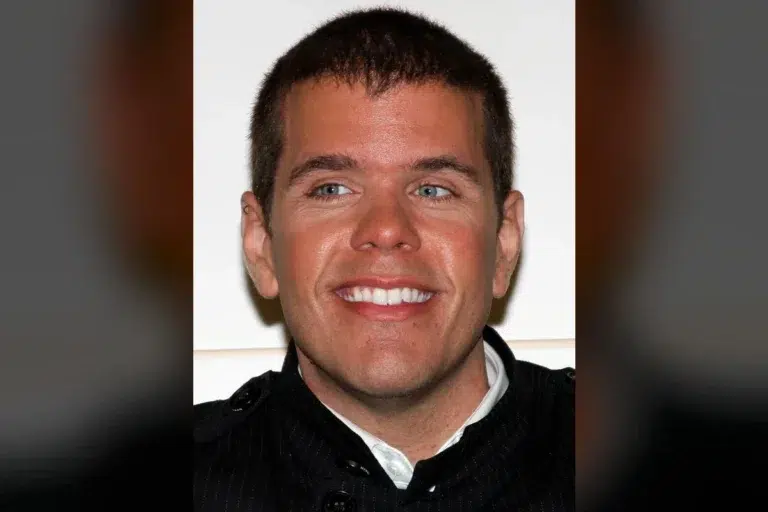
Perez Hilton's distressing knife livestream wasn't a stunt. Months after fearing death, his public unraveling is a desperate cry for help we can't ignore.
The chilling images of Perez Hilton’s recent livestream, knife in hand, aren’t just a fleeting celebrity scandal; they are a harrowing, public confirmation of a man in profound distress, echoing his own terrifying premonition from months ago: “I truly believed I was going to die.” This isn’t attention-seeking; it’s a raw, desperate cry for help that none of us can afford to ignore.
The veteran celebrity blogger, whose career has long thrived on the very public spectacle of fame, was hospitalized in the early hours of August 6, 2026. This urgent intervention followed a deeply disturbing live social media broadcast late on August 5th, where Hilton appeared visibly distressed, reportedly brandishing a knife – an image that sent immediate shockwaves through his audience and beyond.
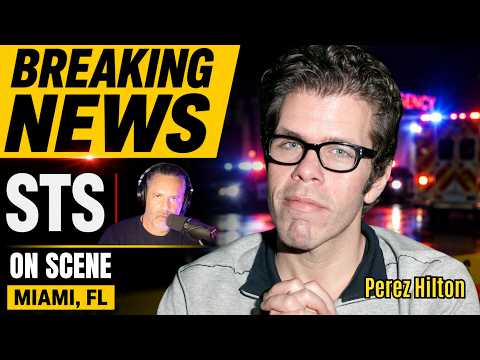
It was concerned viewers and close friends, witnessing his unraveling in real-time, who courageously alerted emergency services to his home. Now, he is receiving much-needed care at a medical facility, a move his representatives have confirmed is directly tied to his long-documented and ongoing mental health struggles. This latest crisis tragically underscores his chilling confession just months prior, in March 2026, to The Hollywood Reporter:
There were moments, months ago, where I truly believed I was going to die. Not in a suicidal way, but just that my body and mind were giving up.
For many, the first cynical thought might be, “Is this truly a cry for help, or another calculated grab for the spotlight?” Let’s be unequivocally clear: the evidence overwhelmingly points to a genuine mental health crisis. Perez Hilton, known to his family and friends as Mario Lavandeira Jr., has spent years courageously peeling back the curtain on his struggles with anxiety, depression, and the relentless, suffocating pressures of fame. This isn’t a sudden performance; it’s the heartbreaking escalation of a long, documented battle.
The very involvement of emergency services shatters any doubt. This was no self-staged spectacle for clicks; it was a desperate situation, deemed critical enough by concerned individuals to warrant immediate, professional intervention. This moves far beyond a public display; it’s a life-or-death moment.
The unfiltered, raw footage of the livestream presented undeniable evidence of his distress. Viewers weren’t just watching a feed; they were witnessing a soul in agony, in real-time. This level of raw vulnerability makes it utterly impossible to dismiss as mere theatrics. It was, quite simply, an unvarnished, agonizing glimpse into human pain.
Hilton’s public struggle lays bare the brutal paradox of social media. It offers a global stage for a desperate cry for help, yet simultaneously magnifies and exposes the most vulnerable moments to relentless public scrutiny. This isn’t just a “double-edged sword”; it’s a razor’s edge that demands our urgent, collective attention and empathy.
Mental health advocates are rightly seizing on Hilton’s story, not to exploit, but to illuminate a crucial truth: mental health challenges are insidious, touching every corner of society, and fame offers no immunity. It’s a clarion call for us to ensure resources are not just available, but accessible, and that our conversations around mental illness move beyond whispers into open, compassionate dialogue, finally dismantling the stigma.
For far too long, we’ve casually dismissed celebrity struggles as mere fodder for gossip, forgetting the profound human cost. We must actively remember that behind every sensational headline, there are real people, enduring very real, often profound, pain. Hilton’s public unraveling is not an isolated incident; it’s a powerful echo of a vital, growing movement where public figures are courageously stepping forward, shattering the silence around their mental health.
Perez Hilton’s controversial past, marked by sharp-tongued critiques and often brutal celebrity takedowns, is undeniably part of his public persona. Yet, his current situation demands more than just a passing glance; it demands a radical shift in perspective. This is not a moment for judgment, but an urgent, undeniable call for profound compassion. Can we, as a society, rise above our preconceived notions and extend the empathy he so clearly needs?
His own admissions of past hospitalizations aren’t just footnotes; they are grim markers of a long-standing, agonizing battle. His haunting comment about feeling “like he was going to die” wasn’t a casual remark or a bid for drama; it was a chilling premonition, a desperate warning signal that has tragically escalated into this very public crisis. We must listen when people tell us they are hurting.
Perez Hilton’s public struggle is more than a celebrity story; it’s a potent mirror reflecting our collective responsibility. Let it be a visceral reminder that mental health struggles are universal, silent battles fought by countless souls, famous or not.
The practical creativity here lies in our collective response: Can we commit to truly seeing the distress in ourselves and others, to reaching out, to connecting, to building communities where seeking help isn’t a weakness, but an act of profound strength? Let this be the moment we choose empathy over judgment, connection over isolation. Our humanity depends on it.
Photo: Signor Paparazzo
Source: Google News