Newsletter Subscribe
Enter your email address below and subscribe to our newsletter


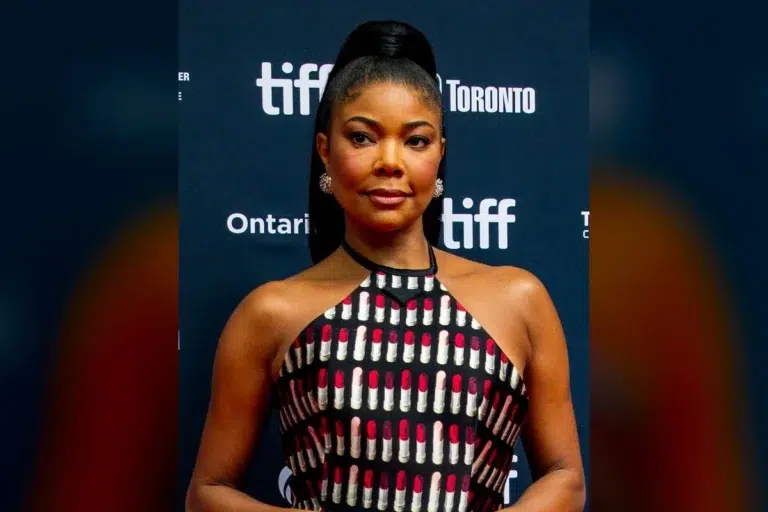
Gabrielle Union was rudely cut off at the Met Gala, revealing the ugly truth about red carpet reporting. It's time to demand respect and accountability for such blatant disregard.
When a reporter rudely shouted over the elegant Gabrielle Union at the Met Gala, it wasn’t just a cringe-worthy moment – it was a stark, uncomfortable reminder of how far we’ve let red carpet reporting fall. This wasn’t merely bad manners; it was a glaring symptom of a desperate scramble for attention that undermines genuine connection.
The scene played out on Monday, May 4, 2026, amidst the usual pre-event frenzy. Actress Gabrielle Union, ever gracious, was speaking thoughtfully when, without warning, a reporter abruptly cut her off. Their voice pierced the air, shouting past Gabrielle to musician Troye Sivan.
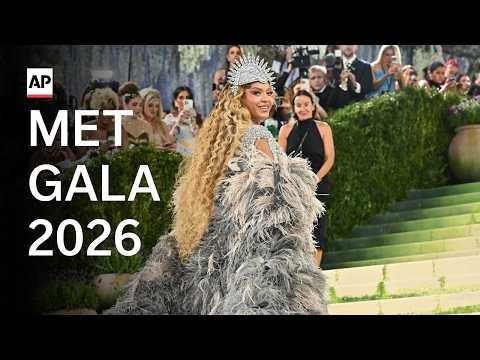
The reporter then peppered Sivan with a volley of rapid-fire questions, completely disregarding the woman they’d just interrupted. Union paused, her expression a mix of surprise and quiet dignity, before simply stepping back.
Even Sivan appeared visibly uncomfortable, casting an apologetic glance at Union as he tried to respond. This entire exchange highlighted a profound lack of respect.
Unsurprisingly, the moment exploded online. Social media erupted with criticism for the reporter’s blatant unprofessionalism, and hashtags like #MetGalaEtiquette and #RespectGab immediately began trending. It was a collective sigh of exasperation heard around the globe: haven’t we moved past this kind of behavior?
A representative for Gabrielle Union confirmed to Variety that she firmly believes in “respectful engagement.” Let’s be clear: this was a polite, yet pointed, declaration that the reporter was unequivocally out of line. The reporter’s identity is now public, and they are rightly facing widespread calls for accountability. Good.
“Gabrielle believes in the importance of respectful engagement and professional conduct in all interactions, especially on a platform as significant as the Met Gala red carpet.”
— Representative for Gabrielle Union (via Variety)
The red carpet, we know, is a pressure cooker. Reporters are constantly under immense stress to snag that elusive soundbite, to capture the viral clip that will dominate headlines. But does the pursuit of a fleeting moment justify sacrificing basic human decency?
This intense, often cutthroat, competition regrettably pushes some to increasingly aggressive tactics. They prioritize a quick, attention-grabbing moment over everything else.
In this desperate scramble for clicks and fleeting fame, basic courtesy and professional ethics aren’t just forgotten; they’re actively discarded. This represents a tragic loss.
The digital age has irrevocably changed the landscape. Incidents that once might have been quickly forgotten now instantly ignite global conversations. There’s no hiding from the collective gaze.
Social media offers an instant feedback loop, empowering audiences to immediately call out blatant disrespect and unprofessionalism. This has ushered in a new, powerful era of public accountability for reporters and their media outlets. It’s a powerful tool, when wielded thoughtfully.
“That reporter was so out of line! You don’t just shout over someone like Gabrielle Union. So rude. #MetGalaEtiquette”
— @FashionFanatic26, Social Media User
The sheer volume of online outrage undeniably proves the public’s collective power. Millions of impressions and thousands of users engaged in the discussion, turning a single misstep into a global teachable moment. This public shaming is a swift, direct consequence for bad behavior – a digital reckoning that can no longer be ignored. It’s a reminder that our voices, when united, truly matter.
However, we must also acknowledge the flip side: this instant judgment can inadvertently stoke the very drama it seeks to correct. It paradoxically incentivizes aggressive tactics, because for some, even negative attention is still attention.
It’s a tricky balance. Walking the ethical tightrope of the digital age requires discernment from all of us.
Incidents like this don’t just create a fleeting scandal; they deeply strain celebrity-media relations. We see celebrities become more guarded, less spontaneous, their publicists forced to exert even tighter control. It’s a loss for everyone involved.
And honestly, who can blame them? Why would anyone offer a genuine, heartfelt moment on a platform like the Met Gala when they risk being disrespectfully shouted over? This behavior doesn’t just erode trust; it actively makes authentic interactions a precious rarity. It’s a self-defeating cycle that leaves both the public and celebrities feeling shortchanged.
Let’s remember the grand purpose of the Met Gala itself: it’s a monumental fundraising event, generating tens of millions annually for the Metropolitan Museum of Art’s Costume Institute. Its global visibility, its very impact, relies on seamless, respectful media coverage that elevates the artistry and the cause. When the focus shifts from fashion and philanthropy to a reporter’s desperate antics, everyone loses.
When reporters behave so egregiously, it doesn’t just cheapen the experience; it actively diminishes the gravitas of the entire event. It transforms a night of curated glamour and philanthropic purpose into a chaotic, undignified battle for attention. The noise, the spectacle, tragically overshadows the true style, the art, and the intention.
This incident is far more than a minor red carpet faux pas. It’s a flashing red light, highlighting a growing, insidious problem in media ethics. The relentless, often ruthless, pursuit of a viral moment is systematically eroding the very foundation of basic respect and professional integrity.
So, what is the true cost of this race to the bottom? It’s not just the fleeting embarrassment for one reporter, or the momentary discomfort of a celebrity.
It’s a deeper, more pervasive tension that breeds cynicism in all of us – the audience, the artists, and even the journalists themselves. This chips away at trust, making genuine connection feel impossible.
We, as readers and viewers, deserve better. And the industry, if it wishes to retain any semblance of credibility, must demand better from itself. Let this moment be a catalyst for change, a call to rediscover the true art of respectful, meaningful storytelling. Because when we prioritize genuine engagement over cheap stunts, everyone wins.
Source: Google News