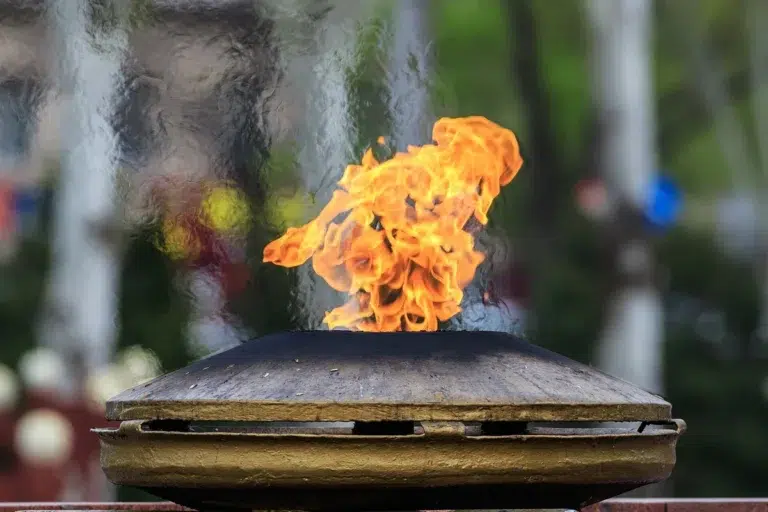
A 1,200-year 'eternal flame' in Japan, a symbol of endless devotion, was just extinguished by fire. This loss reveals the shocking fragility of our priceless heritage.
A Buddhist temple in Japan, home to a legendary ‘eternal flame’ for 1,200 years, just met a devastating end. In the late hours of May 19th or early morning of May 20th, 2026, a ferocious blaze extinguished the sacred ember. Centuries of history, housed within ancient wooden structures, were reduced to ash and memory despite valiant efforts.
The initial accounts, though still being pieced together, confirm a loss that rips at the heart of our collective heritage. While the precise name and location remain a blur in the immediate aftermath, the core truth is stark: a tangible link to a spiritual lineage, a silent witness to a millennium of human stories, is gone. For those of us who find solace in the enduring presence of ancient sites, who marvel at the sheer human will to keep a single spark alive for twelve centuries, this isn’t just news; it’s a profound ache.
The Romance of the ‘Eternal’ and the Reality of Wood
We cling to the poetry of ‘eternal flames,’ don’t we? They are living metaphors for continuity, for the unyielding spirit of human devotion, for an unbroken link to our ancestors. They beckon travelers, ignite our imaginations, and weave themselves into the very fabric of our shared heritage. Yet, the brutal truth is that these grand, symbolic gestures are often cradled within the most vulnerable of materials: wood. Exquisitely beautiful, undeniably historically significant – yes. But also, as this devastating event so cruelly reminds us, incredibly, terrifyingly flammable.
This isn’t merely a reminder; it’s a gut-wrenching lesson in the profound fragility of our most revered cultural treasures. We speak eloquently of preservation, of the priceless, irreplaceable nature of these sites. But how often do our actions truly match our rhetoric?
How much proactive, concrete investment and innovative thinking genuinely go into safeguarding them against the most basic, predictable threats? Fire is not a modern invention. Ancient wood, by its very nature, burns. This isn’t a startling revelation; it’s a fundamental, inconvenient truth we often choose to overlook.
When History Burns, What’s Left?
When a site like this vanishes, it’s far more than just a structure or a symbolic flame. It’s the erosion of a tangible, visceral link to our collective human past. For Japan, a nation whose soul is deeply interwoven with its rich, ancient cultural heritage, this is an immeasurable blow.
For the global community of seekers, travelers, and history enthusiasts, it’s another irreplaceable destination wiped from the map. We will, of course, witness the outpouring of grief, the eloquent lamentations. But then what? Does life simply move on, waiting for the next ancient wonder to succumb to neglect or inferno?
The “eternal flame” was a powerful narrative, a draw for millions. Now, the story isn’t about its endurance, but its dramatic end. The real tragedy isn’t just the fire itself, but the predictable cycle of shock and mourning that follows, rarely translating into the sustained, hard-nosed investment needed to truly protect these ‘priceless’ assets before they’re gone. We love a good eulogy far more than we love a robust preventative maintenance budget.
So, let’s move beyond the immediate sorrow and ask ourselves: What now? The ‘eternal flame’ may be gone, but the narrative it inspired — of enduring spirit, of human connection across ages — doesn’t have to die with it. This tragedy isn’t merely a moment for performative grief; it’s a blazing call to action.
It forces us to confront the practical complexities of preservation, but also to reimagine what ‘eternal’ truly means in a world of constant change. How can we, with practical creativity and unwavering commitment, safeguard the stories, the spirit, and the tangible links to our past *before* they become ashes and memories?
The spotlight now shines on the absence of the flame, but let that absence ignite a new kind of fire within us. This should be a fierce, proactive determination to protect what remains and to innovate how we cherish our shared heritage. Let this loss not be an end, but a powerful, if painful, beginning to a more vigilant, more creative era of cultural stewardship.