Newsletter Subscribe
Enter your email address below and subscribe to our newsletter


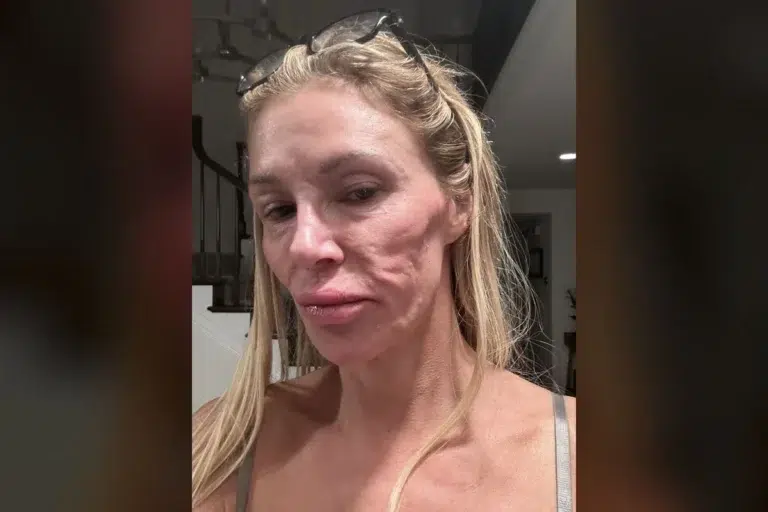
Brandi Glanville's "life-saving" surgery led to urgent care thanks to TikTok. Was it a health crisis or a desperate bid for attention?
The latest casualty of TikTok’s dangerous health advice isn’t just a clickbait headline; it’s Brandi Glanville, rushed to urgent care after reportedly following a viral “life-saving” boob job explant recommendation. This isn’t just another celebrity mishap; it’s a brutal public indictment of a reality star many are calling desperate for attention, heedless of serious health warnings.
Glanville, known for her tumultuous stint on reality TV, found herself in a medical crisis, allegedly after taking health guidance from the wildly unregulated platform, TikTok. The advice concerned her recent breast implant explant, a procedure she had already sensationalized as “life-saving.”

Social media didn’t just light up; it erupted with fury. Users across Reddit and X (formerly Twitter) swiftly labeled her actions as “performative victimhood,” a transparent, even pathetic, attempt for a “faded Real Housewives has-been” to claw her way back into the spotlight. The cynicism is palpable, and frankly, justified.
But Glanville’s latest stunt rips open a far more insidious wound in our digital landscape: the rampant, unchecked spread of health misinformation. TikTok, in particular, has become a treacherous minefield of unverified “cures” and dangerous “hacks,” especially for women navigating complex health decisions.
Medical bodies aren’t just issuing warnings; they’re screaming them from the rooftops. The American Medical Association (AMA) and the World Health Organization (WHO) are ringing alarm bells so loudly they should be deafening. They point to a chilling rise in adverse health outcomes, directly linked to individuals self-treating based on viral trends peddled by unqualified influencers.
The latest advisory, released just yesterday on April 13, 2026, is stark, unambiguous, and frankly, terrifying. It explicitly warns against seeking advice for complex conditions—everything from cosmetic procedures to chronic illnesses—from non-medical professionals on social media. Yet, the scroll continues, the likes accumulate, and the danger escalates.
We are witnessing a terrifying surge in “hacks” promising instant aesthetic enhancements and rapid weight loss. These are often promoted by influencers with absolutely no medical background, leading directly to a spike in emergency room visits. The complications are horrific, ranging from severe allergic reactions and disfigurement to life-threatening infections. Who is truly benefiting from this reckless content, and at what cost?
“Brandi’s been milking this ‘face parasite’ grift for years—now TikTok ‘doctors’ tell her to rip out 20-year-old implants, cue the ambulance selfie for sympathy likes,” one Reddit user sneered. “Her ’21 doctors’ saga is recycled drama bait.”
This public sentiment isn’t just harsh; it’s a raw reflection of a growing, collective frustration. People are beyond tired of perceived celebrity antics, especially when they involve serious health matters being exploited for engagement. It’s not just tasteless; it’s dangerous.
The public reaction to Glanville’s situation is unforgiving, and rightly so. Many believe this is “peak performative victimhood,” a desperate, transparent ploy to reclaim a spotlight that has long since dimmed. It’s a celebrity crying wolf, but the wolf is real, and it’s devouring public trust.
One X user cackled, “If mammograms lied but TikTok saves lives, I’m diagnosing my hangover as silicone poisoning—send help (and TMZ cams).” Such comments underscore the deep cynicism that now greets celebrity drama, particularly when it touches on health. The public isn’t easily fooled; they see through the manufactured outrage.
The backlash positions Glanville as a “cautionary tale of D-list decay.” Allegations of a “lost job” and “ego implosion” post-RHOBH firing paint a stark picture: a star so desperate for any attention, she’ll risk her health and public credibility. This isn’t just about Brandi; it’s about a wider, troubling trend.
Celebrities, ravenous for engagement, continually push boundaries, blurring the lines between authentic reality and calculated content creation. This isn’t harmless fun; it has real, tangible, and often dangerous consequences for their impressionable followers. Where does the responsibility lie?
The allure of quick fixes and accessible information online is undeniably strong. Many individuals, distrustful of traditional medical systems or lacking access to healthcare, seek community and answers on social media. This vulnerability is not just observed; it is brazenly exploited by those with no medical qualifications but a keen eye for viral content.
Social media platforms like TikTok claim to be fighting misinformation, citing AI detection, user reporting, and partnerships with health organizations. Yet, critics—and common sense—argue these efforts are woefully inadequate. The algorithms, designed to amplify sensational content, often inadvertently become super-spreaders of false and misleading information. These platforms are reactive, not proactive, leaving countless users perilously exposed.
The consequences are far from theoretical; they are tragically real. Severe allergic reactions, debilitating infections, and profound psychological distress are common outcomes stemming from unqualified health advice. We cannot afford to be passive consumers of content; we must think critically, question relentlessly, and verify before we act.
Fashion trends and the relentless pressure for a certain “look” also contribute to body image pressures, often pushing individuals towards cosmetic procedures. This desire for instant transformation makes people profoundly vulnerable to shortcuts and, inevitably, to dangerously bad advice. The cycle of insecurity and exploitation is vicious.
The ‘life-saving’ explant claim itself warrants intense scrutiny. While Breast Implant Illness (BII) is a recognized concern for some, it has also, disturbingly, become a trend—often promoted by influencers. This further blurs the critical line between legitimate medical reality and online narrative-driven fads, putting genuine patient care at risk.
The Brandi Glanville incident, regardless of public perception, isn’t just a headline; it’s a searing, undeniable warning. The internet is not a doctor. Viral trends are not medical diagnoses. We must demand better from our platforms and, crucially, from ourselves. Our health, our well-being, and our collective sanity depend on it.
This situation demands a serious, unflinching conversation. We must empower individuals to discern fact from fiction online, to question every “hack,” and to prioritize verified medical sources above all else. Personal anecdotes, however compelling, are not scientific evidence. Think before you click. Your life might literally depend on it.
Source: Google News