Newsletter Subscribe
Enter your email address below and subscribe to our newsletter


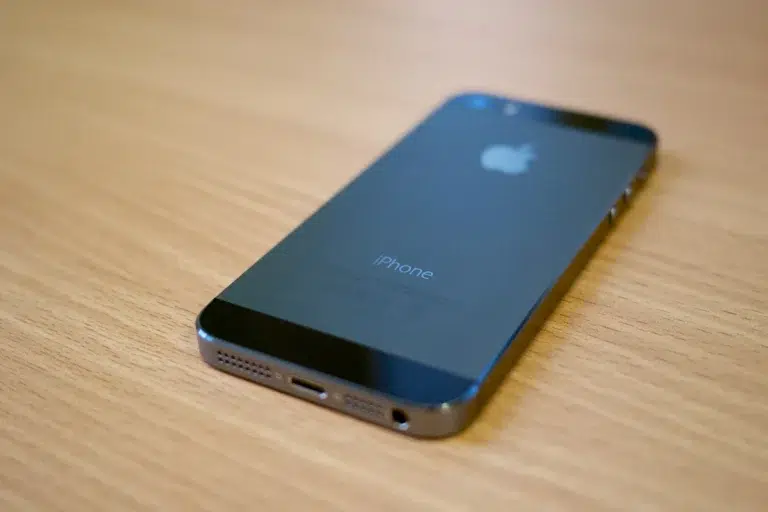
Apple blames a 'devastating supply crunch' for price hikes. But is this a genuine crisis, or just another way to squeeze more from your wallet?
Get ready to dig a little deeper into your wallet, because your next iPhone, iPad, or Mac is about to cost you more – a lot more. Apple, the tech giant famous for its sleek designs and even sleeker profit margins, is quietly, but surely, hiking prices across its entire device lineup. Blaming a “devastating supply crunch” for this “unavoidable” price jump, Cupertino hasn’t exactly shouted it from the rooftops with a grand press release. Yet, the whispers from the supply chain and confirmations from major retailers and tech analysts are loud and clear: your next Apple upgrade is going to hit your bank account harder than ever.
For months, we’ve been hearing the industry chatter about persistent chip shortages and global logistics nightmares. Now, it seems Apple is finally making its loyal customers foot the bill. Reports from financial news outlets like Reuters and CNBC over the past 48-72 hours indicate that these price adjustments are already trickling down, meaning the price tags you see today might be significantly higher than what you saw last week. This isn’t some minor tweak; it’s a substantial shift from a company known for its premium, yet largely consistent, pricing strategy.

Apple’s official line is that the supply crunch has made these increases “unavoidable.” And sure, global supply chains are a mess. Components are harder to get, and shipping costs are through the roof. Every company is feeling the pinch, from car manufacturers to appliance makers. But let’s be real: this is Apple. A company that routinely posts record profits, sits on mountains of cash, and has more market leverage than most small nations. Are we really supposed to believe that Apple, with its astronomical profits and legendary cash reserves, is truly “forced” into this?
It’s easy to take Apple’s word at face value. A “devastating supply crunch” sounds dramatic, doesn’t it? It implies a company backed into a corner, forced to make tough decisions to keep the lights on. But consider Apple’s unique position. They command fierce customer loyalty and operate in a premium segment where price sensitivity, while present, isn’t as acute as in other markets. When Apple raises prices, people often grumble, then open their wallets anyway. This highlights their strong brand power, or perhaps, shows how deeply ingrained their ecosystem has become in our daily lives.
The deafening silence from Apple regarding specific percentage increases for all regions isn’t just an oversight; it’s a deliberate strategy. This allows for a more subdued news cycle, letting the market absorb the changes quietly, without a single headline screaming about a 10% hike. This isn’t about transparency; it’s a carefully orchestrated move to manage the narrative while keeping their profit margins fat.
This isn’t just about covering costs; it’s about maintaining those enviable profit margins Apple is famous for, even in a challenging economic climate.
Let’s strip away the corporate speak and get to the heart of the matter. Apple raising prices isn’t merely about the “unavoidable” costs of a supply crunch. It’s about Apple leveraging its unparalleled brand power and market dominance to ensure its profit margins remain robust, no matter what economic headwinds blow. They know you’ll pay it. They know their devices are aspirational for millions, a status symbol as much as a tool. This isn’t a plea for survival; it’s a strategic move by a company that understands its immense value and isn’t afraid to demand it.
The cost of manufacturing might be up, but Apple isn’t about to let that eat into their golden goose. They’re simply passing the buck directly to you, the consumer, because they can. So, as you eye that shiny new Apple device, ask yourself: are you just upgrading, or are you also bankrolling Apple’s unwavering confidence that you’ll always pay their price, no matter how high?
Photo: Andreas F. Borchert
Source: Google News