Newsletter Subscribe
Enter your email address below and subscribe to our newsletter


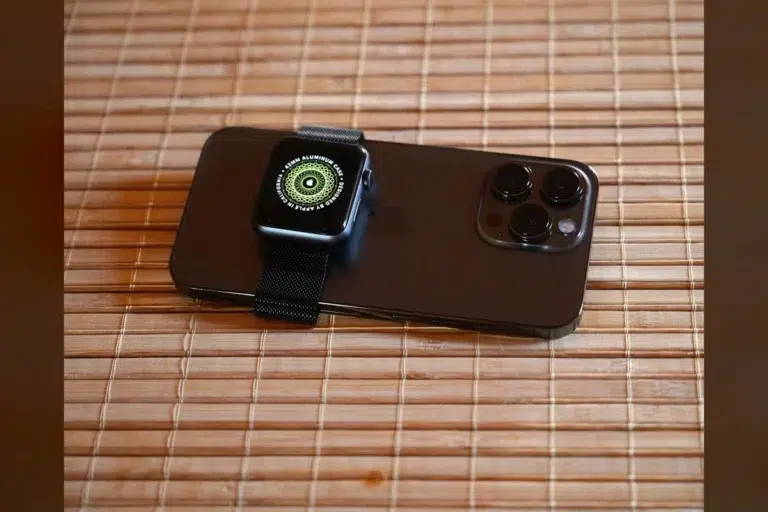
Apple just quietly cut support for popular devices, forcing millions to upgrade. Is your iPhone XS, iPad Pro, or Apple Watch Series 4 now obsolete?
Don’t look now, but Apple just pulled its most cynical trick yet, silently gutting support for millions of perfectly functional devices. If you’ve been clinging to your trusty iPhone XS, sleek 2018 iPad Pro, or indispensable Apple Watch Series 4, congratulations – your prized tech just hit the digital scrap heap, courtesy of Cupertino.
The tech behemoth has officially, and without a shred of public acknowledgment, relegated these once-premium products to “obsolete” status. This isn’t some whispered rumor from an online forum; it’s a cold, hard fact, confirmed by Apple’s own internal documentation and the sudden, brutal cutoff of service.

Let’s be crystal clear about what “obsolete” truly means in Apple’s lexicon: a death sentence. Apple and its authorized repair centers will now actively refuse to fix these devices.
Forget the possibility of new parts, forget official service, forget any lingering hope of extending their already respectable lifespan. This isn’t a regional hiccup; it’s a global policy, enforced with chilling uniformity and absolutely no exceptions.
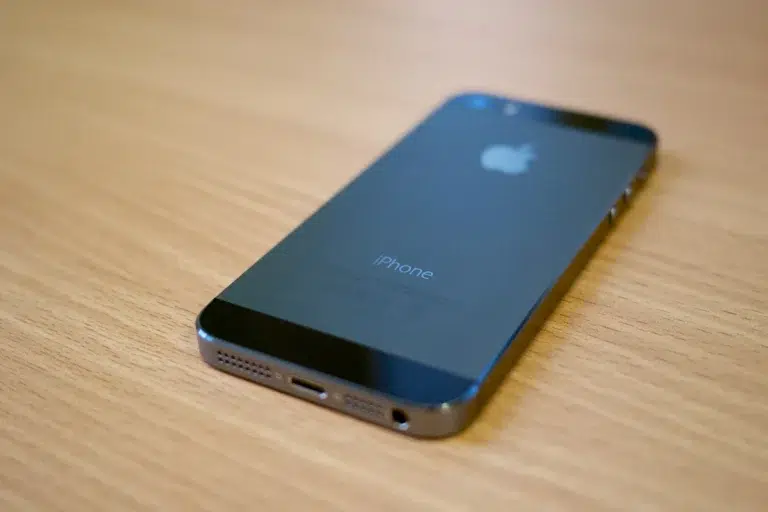
So, who’s in the crosshairs? The magnificent iPhone XS and its larger sibling, the XS Max; the powerful iPad Pro (3rd generation, 2018 models), which redefined tablet computing; and the sophisticated Apple Watch Series 4, a pioneer in health tracking. All are now squarely on the chopping block.
Savvy tech watchers, not Apple’s PR team, spotted this cynical shift in policy over the last 48-72 hours. Of course, Apple never bothers with a press release for this kind of thing. Why on earth would they publicize their own predatory practices?
Make no mistake: this isn’t about technological limitations or a sudden inability to source components. This is about forcing your hand.
They don’t just want you to buy new; they’re actively engineering a situation where you have to. That shiny new iPhone 16, or whatever incremental upgrade they’re pushing this year, isn’t going to sell itself, is it?
Millions of loyal, trusting users, that’s who. We’re talking about individuals who invested hundreds, even thousands, in what they genuinely believed were premium, long-lasting products designed to stand the test of time.
Apple marketed these devices as the pinnacle of top-tier, cutting-edge technology. Now, a mere handful of years later, they’re being systematically downgraded to expensive, soon-to-be-useless paperweights.
Let’s put this into stark financial perspective. An iPhone XS Max didn’t just ‘start around’ a grand; it commanded a premium price tag of approximately $1,099 at launch. The iPad Pro models, especially the larger configurations, routinely soared north of $799.
And the Apple Watch Series 4? That was a substantial investment for a wearable, positioning itself as a serious health and lifestyle tool, not a disposable gadget. These weren’t impulse buys or cheap toys; for countless individuals, they represented significant, carefully considered purchases.
So, what happens when the inevitable occurs? When your screen inevitably cracks, or your battery, designed to degrade, finally gives up the ghost? You’re completely out of luck with official support.
While third-party repair shops might valiantly attempt a fix, they’re often hobbled by Apple’s notoriously proprietary parts and the lack of official schematics.
Your device’s functional lifespan, regardless of its actual physical condition, just got drastically, artificially shortened. And Apple, of course, couldn’t care less whether you like it or not.
Let’s strip away the corporate PR veneer. Don’t, for a second, fall for any of Apple’s sanctimonious ecological talk or their convenient claims about security updates necessitating this move. This isn’t about saving the planet or protecting your data.
This is about one thing, and one thing only: Apple’s insatiable bottom line. Their entire empire is built on the relentless churn of new hardware sales.
It’s a simple, brutal equation: the longer you stubbornly hold onto an older, perfectly capable device, the less likely you are to fork over cash for their latest, barely-improved model.
This “quiet” obsolescence isn’t an accident; it’s a meticulously calculated move. You won’t find any fanfare, no press conferences, no polite announcements – just a silent, insidious shift in policy.
Their strategy is painfully transparent: they hope the vast majority of their customer base won’t even notice until their device inevitably falters. Then, cornered and faced with zero legitimate repair options, what’s the path of least resistance for most consumers? They sigh, they grumble, and they reluctantly open their wallets to buy yet another Apple product, perpetuating the cycle.
From a purely Machiavellian business perspective, it’s a brilliant model – if you have absolutely no qualms about systematically screwing over your most loyal customers. Yes, Apple crafts undeniably incredible devices, often setting industry benchmarks for design and performance.
But their entire support lifecycle is nothing short of a cynical, predatory game. They preach sustainability with one breath, then, with the next, deliberately render perfectly functional,
Source: Google News