Newsletter Subscribe
Enter your email address below and subscribe to our newsletter


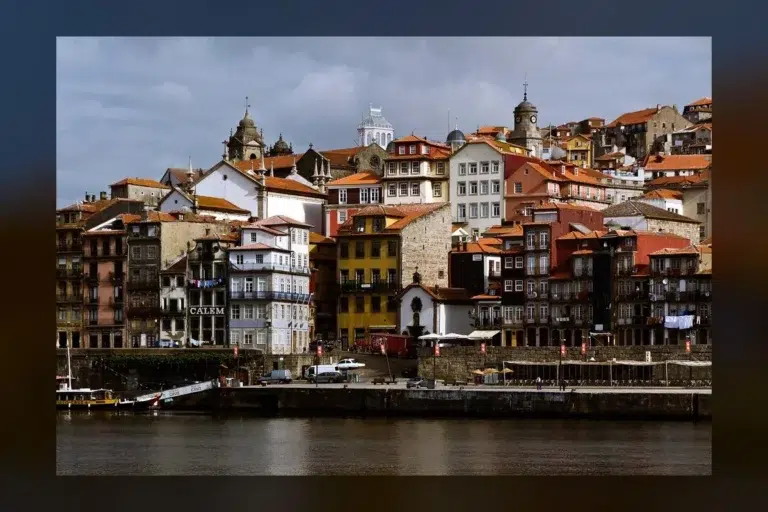
Porto's cheap wine and quiet life lure Americans, but their influx is creating a seismic shift. Are they unknowingly plucking the golden goose?
Imagine trading the relentless American rat race for a sun-drenched balcony overlooking the Douro River, a glass of exquisite local wine in hand that cost less than your morning latte. Sounds like a dream, right? Porto is calling, promising a slower, richer life. But let’s be honest, this “flocking” of Americans isn’t just a charming travel trend; it’s a seismic shift for Portugal’s captivating second city, and not everyone is toasting to it.
Americans are indeed packing their bags in droves. They crave a slower pace, a culturally rich existence, and a lifestyle that doesn’t demand every waking moment be devoted to work. They’re finding it in Porto, Portugal, according to recent reports, including one from The Portugal News on April 18, 2024.

This historic city offers an irresistible blend of old-world charm, vibrant energy, and a cost of living that dramatically undercuts major U.S. cities. For many, it’s an escape, a fresh start, a chance to breathe.
That €4 bottle of vinho tinto isn’t just a perk; it’s a powerful siren song, luring dreamers from across the Atlantic. Porto’s allure is undeniable: its labyrinthine streets whispering tales of old, the majestic Douro River views, and a world-class food scene that could make any foodie swoon. But as any seasoned traveler knows, the most beautiful dreams often come with an unseen price tag, and Porto is no exception.
Americans aren’t just visiting Porto for a fleeting holiday; they’re settling down. They’re buying up properties, renovating historic buildings, and, in doing so, fundamentally changing the local landscape. The “quiet life” they so desperately seek often inadvertently disrupts the quiet life locals have cherished for generations. It’s a delicate balance, and right now, it feels like the scales are tipping.
What draws them in?
But when a city transforms into an international hotspot, prices inevitably follow suit. That affordable wine? Savor it, because its days of being a steal might be numbered. Property values inevitably spike, driven by foreign purchasing power, while local wages struggle to keep pace. This creates a challenging situation for the Portuguese families who have called Porto home for centuries, threatening to price them out of their own neighborhoods.
This isn’t merely about individuals finding a new place to call home; it’s a microcosm of a larger global economic shift. Property developers are reaping immense profits, turning historic buildings into luxury apartments. Real estate agents are enjoying a boom, facilitating transactions with foreign buyers. And the government, of course, benefits from the increased tax revenue these new residents bring.
But what about the heart and soul of Porto – the local Portuguese? The dedicated chefs crafting traditional dishes, the shopkeepers whose families have run businesses for decades, the vineyard workers whose hands tend the grapes for that very wine? As rents climb and the cost of living soars, the very charm that attracts outsiders risks becoming unattainable for the natives. Can a city truly thrive if its own people can no longer afford to live within its vibrant core?
“Portugal’s appeal continues to grow,” reported The Portugal News. “The northern city of Porto remains a top contender for those seeking affordability and culture.”
This “affordability,” however, is a relative term. It’s a godsend for someone earning a U.S. salary, but it’s an entirely different, often crushing, story for a Portuguese family earning local wages.
The cultural richness that draws so many might inadvertently become a meticulously curated experience, designed more for tourist consumption than authentic local life. It risks losing its raw, genuine edge, transforming into a postcard version of itself.
For a food lover like me, Porto’s culinary culture is nothing short of legendary. The freshest seafood hauled straight from the Atlantic, hearty stews that warm you to the bones, those impossibly flaky pastéis de nata, and, of course, the unparalleled wine. These culinary treasures aren’t just food; they’re a vital part of the city’s soul, its history, its daily rhythm.
But a massive influx of foreign tastes and expectations invariably changes things. Will the beloved local tascas, those unassuming gems serving generations-old recipes, slowly morph into trendy, overpriced brunch spots? Will traditional dishes be “elevated” and adapted for a different palate, losing their rustic authenticity in the process?
The very reason foodies, myself included, flock to Porto could be diluted, replaced by more expensive, more generic options that cater to a globalized palate rather than a local one.
So, go ahead, flock to Porto. Indulge in the glorious architecture, the breathtaking views, and yes, that incredibly affordable wine. But let’s not pretend this pursuit of happiness is without consequences.
Every “quiet life” sought by an outsider can mean a louder, more expensive, and potentially less authentic one for the people who have always called Porto home. The true cost of that cheap wine isn’t just the euros you spend; it’s the subtle, profound shifts in a city’s soul, a cost rarely measured in a glass.
Photo: Photo by Francisco (PortoPortugal) on Openverse (flickr) (https://www.flickr.com/photos/61863636@N00/28228399543)
Source: Google News