Newsletter Subscribe
Enter your email address below and subscribe to our newsletter


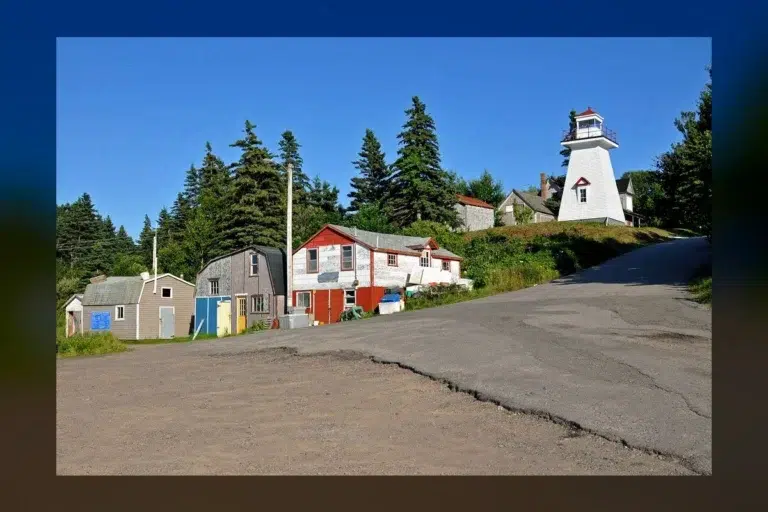
The Outer Banks is poised to dethrone the Hamptons as America's "quiet luxury" retreat. This isn't hype—it's a calculated, urgent shift you must know.
The whispers are growing louder: the Outer Banks, America’s newest “quiet luxury” wellness getaway, is poised to dethrone the Hamptons. But before you pack your bags and credit card, let’s cut through the marketing hype. This isn’t a democratization of luxury; it’s a masterclass in re-segmentation, a calculated move to capture a specific, affluent demographic.
The Outer Banks (OBX), a 200-mile string of barrier islands in North Carolina, isn’t just “suddenly hot.” Prestigious travel and wellness publications are aggressively pushing it as America’s new sanctuary, touting untouched beauty and luxury wellness without the Hamptons’ overt price tag. While the concept of a high-end coastal escape isn’t new, the “wellness” angle here is freshly polished and strategically deployed.

The data isn’t just suggesting a shift; it’s screaming a full-blown pivot. Over the past year, boutique wellness resorts have mushroomed, and eco-lodges alongside specialized fitness programs are thriving. These aren’t accidental developments; they’re tailored directly to the discerning, health-conscious traveler who demands substance over superficiality.
This “quiet luxury” isn’t merely about avoiding flashy displays; it’s about signaling a deeper, more refined pursuit of well-being. Think organic farm-to-table dining prepared by private chefs focused on nutritional wellness. Imagine bespoke fitness coaching delivered in serene, secluded natural spots.
It sounds like the ultimate escape, a place where genuine results meet unparalleled tranquility. This is a powerful draw for those who want to invest in their health without the pretension.
“We’re seeing a fundamental shift. People aren’t just looking for a place to stay; they’re looking for a place to be—to reconnect with nature, with themselves, and to integrate health into their vacation,” stated Dr. Lena Hansen, a respected wellness tourism consultant. “The Outer Banks offers that in spades, without the pretension.”
Here’s the rub, and it’s a critical one. The core question is whether this “half-price Hamptons” is genuinely affordable for the average American. Or is it simply “less expensive luxury” for the already well-off, a slight discount on an experience still far out of reach for most?
Let’s be brutally honest about the numbers. A week-long luxury wellness retreat in OBX costs between $2,500 and $5,000. Comparable Hamptons experiences, by contrast, start at a breathtaking $8,000 to $15,000. Yes, the OBX is cheaper. But for the average American household, that $2,500+ isn’t just a casual vacation expense; it’s a significant financial commitment, often requiring months of saving.
Property values in OBX aren’t just rising; they’re soaring. Luxury rental rates for wellness properties have seen a dramatic 15-20% increase year-over-year.
While the median home price in OBX, around $600,000, still pales in comparison to the Hamptons’ $2 million+, it clearly indicates the direction of travel. This isn’t about making luxury accessible to the masses.
It’s about establishing a new, slightly more “value-driven” tier of luxury for those who can afford it. This crucial distinction is often lost in the marketing spin.
The “half-price” claim primarily applies to luxury-to-luxury comparisons. Basic accommodations still exist, of course; standard hotel rooms can be found for around $150-$250/night in the off-season. Beach walks, hiking trails, and public yoga classes remain free or low-cost. So, while the lifestyle can be accessible, the full-package retreat—the one driving the “quiet luxury” narrative—is unequivocally not.
Make no mistake, wellness entrepreneurs are making a killing. Local businesses offering yoga and surf lessons are thriving, boutique accommodations are booming, and the local economy is seeing more tourism revenue and jobs. This isn’t charity; it’s a well-oiled economic engine for a select few.
“Our bookings for guided sunrise yoga and surf lessons have exploded,” says Sarah Jenkins, owner of ‘Coastal Flow Wellness’ in Nags Head. “Guests want to feel active and rejuvenated, not just relaxed. They appreciate the natural setting and the focus on genuine well-being.”
But let’s be clear: every boom creates its own bust, or at least its own marginalized. Traditional Hamptons businesses might see some clients divert. More importantly, smaller, traditional local businesses in OBX could struggle.
They might not adapt to the “quiet luxury” aesthetic or compete with the influx of new, upscale offerings. This isn’t just market evolution; this is how gentrification starts, pushing out the very local charm that initially attracted visitors.
Environmental impact is also a grave concern. Increased tourism puts immense pressure on fragile barrier island ecosystems. While sustainability is often touted, more people always means more strain—an undeniable ecological consequence that demands proactive management, not just lip service.
This trend signifies a strategic re-segmentation of the luxury market. It is not, and never was, a democratization of luxury wellness for everyone. It’s a new, meticulously crafted option for the affluent and upper-middle class who seek perceived value, authenticity, and health optimization without the Hamptons’ overt glitz.
The Outer Banks is undeniably beautiful, and its wellness offerings are genuinely impactful. But calling it “half-price Hamptons” for the average person is a disingenuous stretch.
It’s a smart play for a different kind of high-end client, a new playground for those who can still effortlessly drop several grand on a week away.
So, next time you see the Outer Banks touted as the accessible wellness paradise, remember this: “affordable luxury” is often just a clever rebranding for the already privileged. Don’t fall for the illusion. Demand genuine value, and understand exactly who is profiting from this carefully constructed narrative.
Photo: Photo by archer10 (Dennis) on Openverse (flickr) (https://www.flickr.com/photos/22490717@N02/6114044769)
Source: Google News