Newsletter Subscribe
Enter your email address below and subscribe to our newsletter


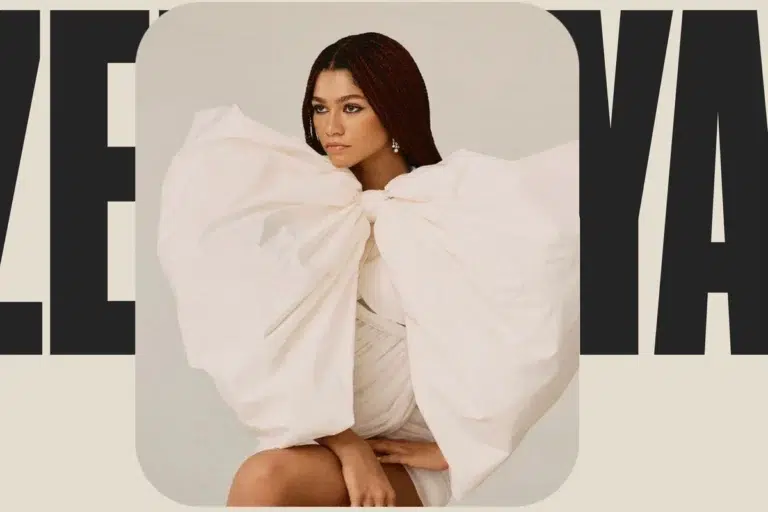
Zendaya, Hathaway, and Nyong'o didn't just walk a red carpet; they staged a masterclass in curated power. Uncover the strategic statements behind their dazzling looks.
Forget ancient epics; the real ‘Odyssey’ unfolded this week on a New York red carpet. It starred a trinity more formidable than any goddess: Zendaya, Anne Hathaway, and Lupita Nyong’o.
The premiere wasn’t just a movie event; it was a masterclass in curated power. This wasn’t merely a fashion moment, but a calculated cultural statement demanding critical examination.

Zendaya, predictably, arrived as a vision. Let’s be clear: this wasn’t mere fashion.
The “angelic” white gown and ethereal wings were a meticulously engineered statement. It was a deliberate ascension to a celestial plane, positioning her as a modern icon, seemingly untouchable.
Is it genuine transcendence or brilliant branding? It’s both, and that’s the genius.
Every thread, every feather, is a strategic component of a meticulously managed empire. Her presence is a masterclass in visual storytelling, reinforcing her role as the cultural touchstone for a generation hungry for aspirational, yet carefully controlled, figures.
Beside her, Anne Hathaway, radiant and visibly pregnant, presented a starkly different, yet equally potent, facet of female power.
In an industry notoriously unforgiving of women’s bodies, Hathaway’s public embrace of motherhood while headlining a major film isn’t just a narrative; it’s a calculated intervention.
It squarely addresses the “can women have it all?” debate, offering a visual ‘yes’. This ‘yes,’ however, profoundly glosses over the immense privilege, wealth, and support systems absolutely required to maintain such a demanding career alongside family life.
Her appearance is a deliberate, powerful challenge to old Hollywood norms. Yet, it’s a challenge she’s uniquely positioned to make, backed by decades of industry capital and a carefully cultivated persona.
And then there’s Lupita Nyong’o, whose sheer elegance and undeniable gravitas don’t just command attention; they demand reverence.
She brings a different kind of strength to the trio: quiet authority, intellectual depth, and undeniable talent that transcends fleeting trends.
Her inclusion completes a powerful visual triumvirate. Each woman represents a distinct yet complementary pillar of contemporary female success.
They are not merely actresses; they are meticulously crafted brands. Each is carefully cultivated, with a specific, loyal audience, coming together to amplify the buzz around “The Odyssey” with a force no single star could muster alone.
This isn’t just a premiere; it’s a carefully orchestrated cultural moment. These aren’t just outfits; they are armor and iconography in the ongoing battle for influence and narrative control.
We’ve undeniably moved past the quaint era where a premiere was simply about a film.
Now, it’s a meticulously engineered, multi-platform content event. It’s designed not just to generate countless headlines and social shares, but to dictate cultural conversations.
These women, whether they fully realize it or not, become powerful vessels for messages far beyond their personal choices. They are walking, breathing billboards for aspiration, for evolving beauty standards, for what “success” must look like.
And make no mistake, the industry capitalizes on every single angle: every carefully posed smile, every whispered rumor.
The “women’s empowerment” narrative, a convenient and often hollow slogan, is invariably draped over these events like another designer gown.
We are relentlessly told to celebrate their strength, their beauty, their defiance. And yes, seeing powerful women succeed on their own terms can be genuinely inspiring.
But we, as discerning observers, must ask: whose terms are they, really? How much of this “empowerment” is authentic agency, a true rebellion against the system?
How much is a performance meticulously choreographed by publicists, stylists, and studio executives, designed to sell tickets and luxury goods? The lines don’t just blur; they are deliberately smudged, making it increasingly difficult to discern genuine autonomy from strategic positioning.
Let’s strip away the glitter, the angelic wings, and the manufactured awe for a moment.
This “Odyssey” premiere, with its trinity of highly marketable stars, isn’t just about celebrating a film. It is fundamentally about consolidating power and relentlessly expanding brand equity.
Zendaya’s ethereal look solidifies her as *the* transcendent fashion and cultural force of her generation. It drives unparalleled engagement and reinforces her colossal value to luxury brands.
Anne Hathaway’s pregnant glow is a meticulously managed narrative. It affirms the illusion that women can indeed “have it all” in Hollywood – but only if they possess immense resources and leverage to bend the industry to their will.
Lupita Nyong’o’s presence lends undeniable gravitas. It balances youthful exuberance and conventional motherhood with sophisticated, unyielding strength, grounding the entire spectacle.
The real takeaway isn’t just the surface-level beauty or the convenient “empowerment” messaging being broadcast.
It’s the stark, undeniable reminder that in the upper echelons of Hollywood, every single public appearance is a calculated, strategic investment.
These women are not merely attending a movie premiere. They are meticulously curating, deploying, and *monetizing* their public personas to maintain and aggressively grow their immense influence and market value.
Their “Odyssey” is less a heroic journey and more a masterclass in market manipulation. Perception is the ultimate currency, and they are its undisputed, cutthroat masters.
So, when we cheer for their fashion choices, let’s be clear: we are also cheering for their expertly managed, ruthlessly efficient personal economies.
Photo: Wikimedia Commons (query: Anne Hathaway)
Source: Google News