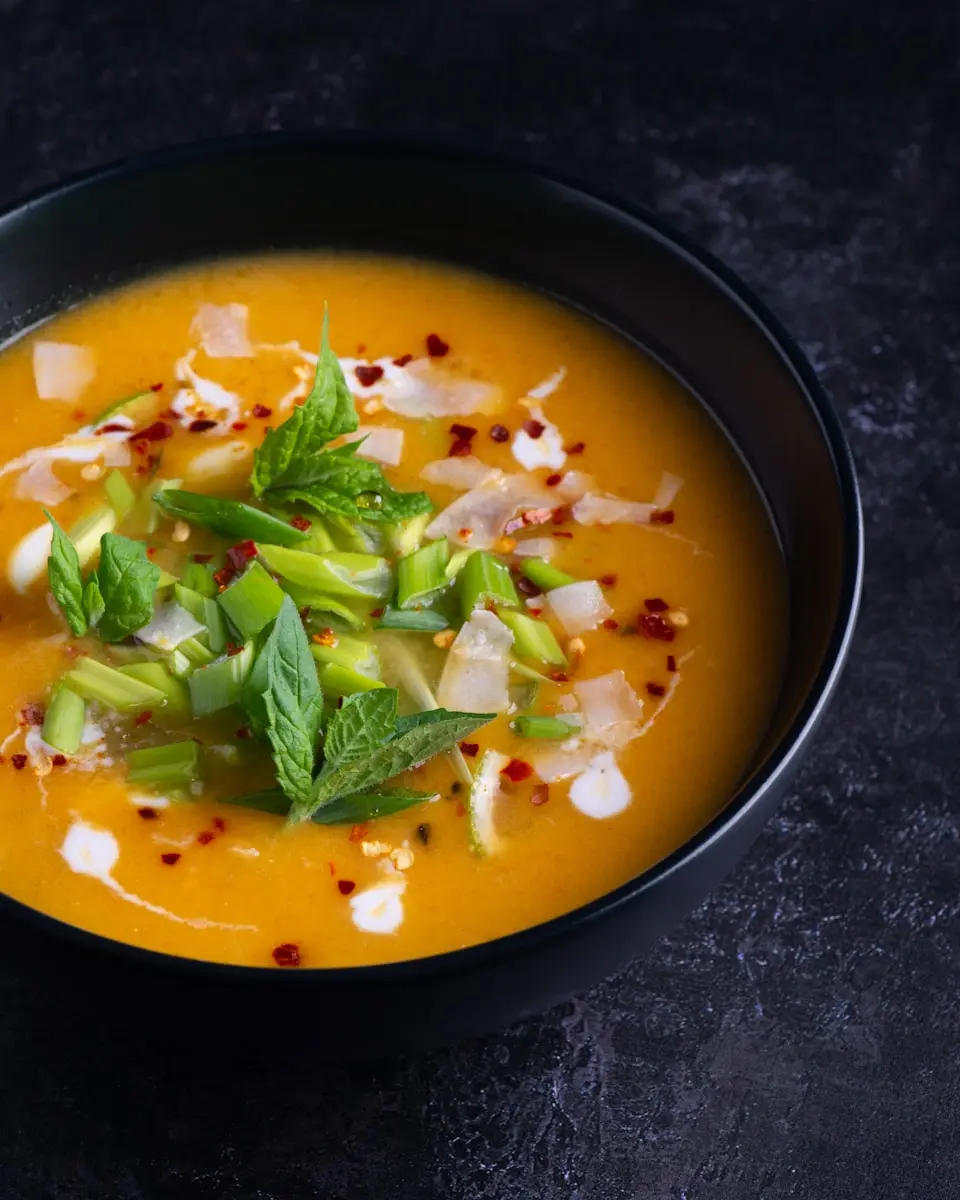
This post details a recipe for stuffed cabbage rolls, featuring a filling made of rice or quinoa, vegetables, and spices, accompanied by a tomato sauce. It also explores the dish's origins across cultures, highlighting variations like Jewish holishkes and Mediterranean versions, emphasizing the blend of tradition and modern adaptations for vegetarian diets.
Prepare the Cabbage:
Bring a large pot of water to a boil. Carefully blanch the cabbage leaves for 2-3 minutes until soft and pliable. Drain and pat dry with a kitchen towel.
Cook the Filling:
Heat olive oil in a skillet over medium heat. Sauté onions, garlic, carrot, zucchini, and bell pepper until softened, about 5-7 minutes.
Stir in cooked rice or quinoa, thyme, paprika, salt, and pepper. Cook for 2 more minutes, then set aside to cool slightly.
Roll the Cabbage Leaves:
Lay a cabbage leaf flat and place 2-3 tablespoons of the vegetable filling in the center. Fold the sides over the filling, then roll tightly. Repeat with all leaves.
Prepare the Sauce:
Heat olive oil in a saucepan over medium heat. Sauté onions and garlic until fragrant. Add crushed tomatoes, oregano, sugar (if using), salt, and pepper. Simmer for 10-15 minutes.
Cook the Rolls:
Preheat the oven to 350°F (175°C). Spread a thin layer of tomato sauce on the bottom of a baking dish. Arrange cabbage rolls seam-side down, then pour the remaining tomato sauce over them.
Cover with foil and bake for 30-35 minutes until heated through.
Serve:
Garnish with fresh parsley and serve hot with crusty bread or mashed potatoes.
1 large green cabbage (about 10-12 leaves, separated)
1 cup cooked rice or quinoa
1 medium onion, finely chopped
1 carrot, grated
1 zucchini, diced
1 bell pepper, diced
2 garlic cloves, minced
2 tbsp olive oil
1 tsp dried thyme
1 tsp smoked paprika
Salt and pepper to taste
For the Tomato Sauce:
2 cups crushed tomatoes (canned or fresh)
1 small onion, finely chopped
2 garlic cloves, minced
1 tbsp olive oil
1 tsp dried oregano
1 tsp sugar (optional)
Salt and pepper to taste
Instructions
Prepare the Cabbage:
Bring a large pot of water to a boil. Carefully blanch the cabbage leaves for 2-3 minutes until soft and pliable. Drain and pat dry with a kitchen towel.
Heat olive oil in a skillet over medium heat. Sauté onions, garlic, carrot, zucchini, and bell pepper until softened, about 5-7 minutes.
Stir in cooked rice or quinoa, thyme, paprika, salt, and pepper. Cook for 2 more minutes, then set aside to cool slightly.
Roll the Cabbage Leaves:
Lay a cabbage leaf flat and place 2-3 tablespoons of the vegetable filling in the center. Fold the sides over the filling, then roll tightly. Repeat with all leaves.
Prepare the Sauce:
Heat olive oil in a saucepan over medium heat. Sauté onions and garlic until fragrant. Add crushed tomatoes, oregano, sugar (if using), salt, and pepper. Simmer for 10-15 minutes.
Cook the Rolls:
Preheat the oven to 350°F (175°C). Spread a thin layer of tomato sauce on the bottom of a baking dish. Arrange cabbage rolls seam-side down, then pour the remaining tomato sauce over them.
Cover with foil and bake for 30-35 minutes until heated through.
Serve:
Garnish with fresh parsley and serve hot with crusty bread or mashed potatoes.
Pairing Suggestions
Side Dish: Serve with roasted potatoes, steamed green beans, or a fresh garden salad.
Drinks: Pair with a light red wine like Pinot Noir or a refreshing herbal tea.
Nutritional Information (Per Serving – Approx. 2 Rolls)
Calories: ~220 kcal
Protein: ~6g
Carbohydrates: ~30g
Fat: ~8g
Saturated Fat: ~1g
Fiber: ~6g
Sodium: ~400mg
The Origins and Evolution of Stuffed Cabbage Rolls
Stuffed cabbage rolls are a global culinary treasure, with variations found in many cultures.
The dish likely originated in Eastern Europe, where cabbage was abundant and used as a base for preserving or stuffing.
Early versions included simple fillings like grains and vegetables, later incorporating meat when available.
In Jewish cuisine, “holishkes” are a traditional stuffed cabbage dish, often served during Sukkot, symbolizing abundance and protection.
Eastern European versions, such as Polish “gołąbki” and Hungarian “töltött káposzta,” commonly include ground pork or beef mixed with rice.
As cabbage rolls traveled westward and southward, Mediterranean variations like Greek “lahanodolmades” emerged, featuring lemony sauces and olive oil.
Middle Eastern countries embraced stuffed cabbage leaves as well, using spiced rice and pine nuts in their recipes.
Vegetarian stuffed cabbage gained popularity in the modern era, driven by a desire for plant-based meals.
With its hearty, flavorful filling, it appeals to those seeking comfort food without the heaviness of meat. Chefs worldwide have embraced the dish’s versatility.
They experiment with grains like quinoa or farro. They also try sauces ranging from tomato-based to creamy mushroom.
Today, stuffed cabbage rolls represent a union of tradition and creativity. They offer endless ways to adapt to personal tastes and dietary preferences.
While offering these adaptations, they celebrate their rich history.
"The game is rigged; I’m just the one circling the wires.” - The General - The woman who stopped playing nice. Tamara spent years in the high-stakes worlds of fashion and tech, seeing the gears of the "Influence Machine" from the inside. Now, she’s the one holding the Red Marker. She doesn't want your likes; she wants you to wake up. -
Tamara Fellner is the CEO of WomanEdit.com, DailyNewsEdit.com, USLive.com, all by Real SuperWoman LLC. And Founder of VelvetHeart.org, a charity devoted to women and children who leave abusive homes and rebuild from zero.