Newsletter Subscribe
Enter your email address below and subscribe to our newsletter

Enter your email address below and subscribe to our newsletter
Forget "least visited countries" and "exclusive getaways." This article exposes the dark side of poverty tourism, using Tuvalu's plight as a stark example.
Hold up, fellow globetrotters! If you’ve seen those dreamy social media posts about escaping the crowds to some far-flung, “least visited country,” stop right there. The travel industry is trying to sell you on this hot new trend, but it’s a scam wrapped in a pretty, ethically questionable bow.
That alluring pitch of “no crowds, incredible coral reefs, £500 flights” isn’t just too good to be true; it’s poverty tourism, plain and simple. They’re not just trying to get your money; they’re trying to make you feel like a conscious traveler while you’re actually exploiting nations that are already struggling. We deserve better than that.

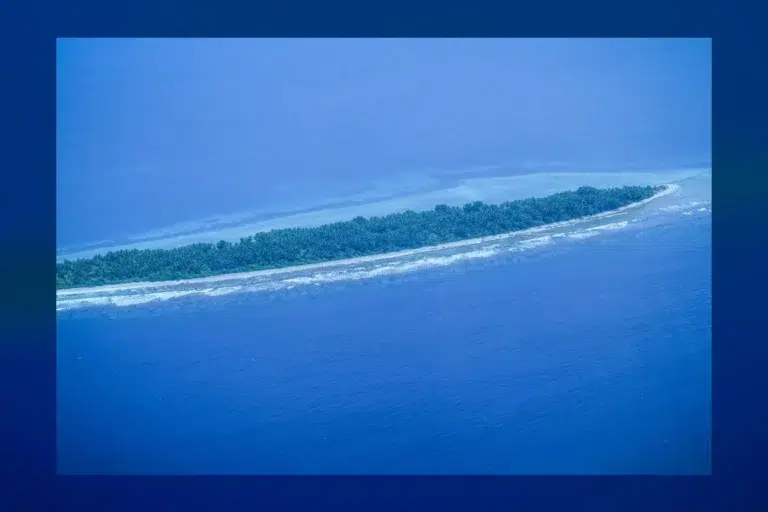
Let’s talk about Tuvalu. This tiny island nation is constantly hyped as the “least visited country,” and for good reason. It’s remote, it’s small, and here’s the kicker: it’s literally sinking. The travel blogs paint a picture of a hidden paradise with pristine beaches and untouched culture, but they gloss over the devastating reality.
This isn’t your next “exclusive getaway.” This is a nation fighting for its very existence. Influencers are flocking there, turning a genuine climate catastrophe into a backdrop for their next Instagram photo op. Is that what “conscious travel” looks like these days? Because I’m not buying it.
Remember when celebrities jetted off to Africa for “charity” events that felt more like PR stunts? This “least visited” trend is the travel industry’s version of that. It’s all about feeling morally superior, getting to brag that you “discovered” a place before everyone else. But what are you really discovering?
You’re discovering poverty. You’re discovering communities grappling with the devastating effects of climate change. You’re discovering nations with almost non-existent infrastructure, trying to survive on a shoestring. Those “£500 flights” might sound like a steal, but have you considered the true cost? What about the burden on local people, the environmental impact of long-haul flights, and the strain on already limited resources?
Let’s be real: these countries don’t need your selfies. They need genuine, impactful help. They need urgent climate action. They need sustainable development that empowers their communities, not a new trend for your perfectly curated Instagram feed. It’s time we asked ourselves: are we travelers, or are we just consumers of other people’s struggles?
Oh, the celebrities! They’re all over this, aren’t they? Desperate to be seen as “conscious travelers,” they’re pushing their own versions of exclusivity. Gwyneth Paltrow is hawking her Goop retreats, while Leonardo DiCaprio is building eco-resorts in Belize. But let’s peel back the layers of that glossy veneer, shall we?
It’s all about creating private havens for the ultra-rich, not genuinely helping local economies. These aren’t about sustainable tourism; they’re vanity projects disguised as philanthropy.
Paltrow’s Goop summits? They’re often in places like Aspen. Aspen isn’t exactly “least visited.” It’s just rich people paying a fortune to avoid other rich people. And DiCaprio’s Blackadore Caye in Belize? It’s a private island, designed exclusively for the ultra-wealthy. It’s “least visited” not because it’s remote, but because normal humans can’t afford a single night there. This isn’t a solution for mass tourism; it’s just another luxury playground, perpetuating the very exclusivity they claim to be against.
“The ‘least visited’ trend is a direct result of overtourism,” stated travel analyst Dr. Anya Sharma of the Global Tourism Institute. “But exploiting vulnerable nations for photo opportunities is not the answer. It’s a dangerous path that prioritizes ego over genuine impact.”
This isn’t about genuine cultural exchange or broadening your horizons. It’s about bragging rights, looking good online, and finding the next “undiscovered gem” before everyone else does. And frankly, that’s just not good enough.
Think about it: why are these places “least visited” in the first place? It’s usually not because they’re ugly or uninteresting. More often than not, it’s because they lack fundamental resources and infrastructure. They simply aren’t equipped to handle a sudden influx of tourists.
That dreamy “no crowds” idea sounds appealing, but it willfully ignores the actual conditions on the ground. It ignores the immense burden you place on a small, vulnerable nation. You’re not a trailblazing pioneer; you’re becoming part of the problem. This entire trend is a cynical, profit-driven play, using the vulnerability of small nations to make a quick buck and allow the privileged to feel special. Don’t fall for the hype. Instead, demand real solutions and sustainable practices that genuinely support these countries, rather than turning them into your next vacation backdrop.
Photo: Photo by United Nations Development Programme on Openverse (flickr) (https://www.flickr.com/photos/37913760@N03/17019486107)
Source: Google News