Newsletter Subscribe
Enter your email address below and subscribe to our newsletter

Enter your email address below and subscribe to our newsletter

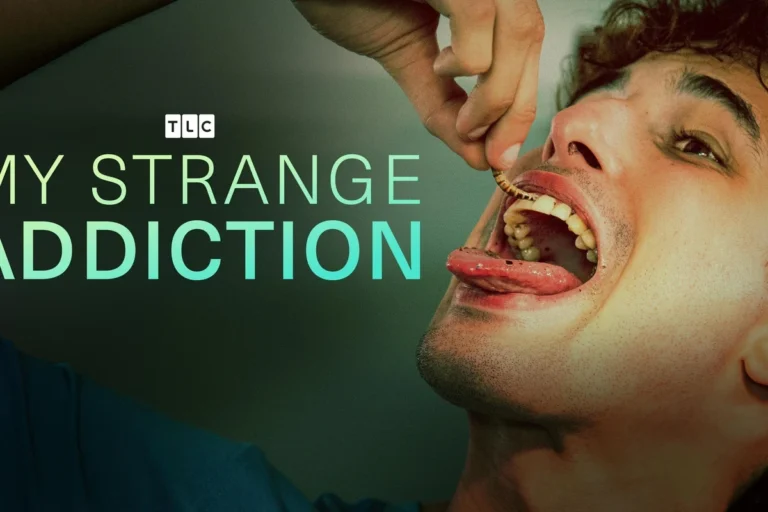
TLC's "My Strange Addiction" exploited vulnerable individuals for ratings. This article explores the show's dark legacy and the ethics of reality TV.
Alright, let’s talk about the absolute bottom of the barrel when it comes to reality TV’s exploitation of human vulnerability. I’m looking squarely at TLC, the network that has made an art form out of parading people’s deepest, most bizarre compulsions for our viewing pleasure. And while “My Strange Addiction” might be off the air (thankfully, for the sake of its subjects’ dignity), its haunting legacy of individuals snorting talcum powder, eating cat hair, or, yes, even snorting food still lingers like a bad smell, a lingering whiff of desperation and exploitation.
You remember it, don’t you? The woman who couldn’t get enough of inhaling powdered detergent. The guy who was literally in love with his car, treating it like a sentient being. And then there was the woman who found satisfaction not in eating her food, but in snorting it—a truly baffling, and frankly, dangerous, habit. Not only did these poor souls find themselves in the grip of baffling, often self-destructive behaviors, but TLC then shoved a camera in their faces, slapped a dramatic soundtrack on it, and called it “entertainment.” It wasn’t entertainment; it was a public spectacle of private torment, masquerading as a glimpse into “unusual human behaviors.” It was a car crash you couldn’t look away from, and TLC was selling tickets.

Let’s be clear: there’s a fine line between exploring the complexities of human psychology and outright exploitation. “My Strange Addiction” didn’t just cross that line; it tap-danced all over it in sparkly spandex, leaving a trail of ethical violations in its wake. While the show claimed to shed light on mental health and obsessive-compulsive behaviors, what it actually did was commodify suffering.
These weren’t celebrities with PR teams carefully crafting their narratives; these were often vulnerable individuals, likely desperate for help or attention, who became pawns in TLC’s ratings game. Think about it: how much genuine psychological support do you think these participants received compared to the hours of footage TLC wrung out of their struggles?
And what about the platforms that enable this? While Netflix and Disney+ are busy raising their subscription prices while simultaneously canceling fan-favorite shows (I’m still not over Warrior Nun, by the way, Netflix, you soulless bean counters!), networks like TLC continue to churn out content that prioritizes shock value over genuine insight. It’s a race to the bottom, where the most bizarre habit gets the most airtime, and the actual human being behind the “addiction” becomes secondary to the spectacle. It’s a grotesque carnival, and we, the viewers, are complicit in buying the tickets.
“It wasn’t entertainment; it was a public spectacle of private torment, masquerading as a glimpse into ‘unusual human behaviors.'” – Sue Mannert, WomanEdit
Now, you might think, “Sue, what does a woman snorting food have to do with Hollywood’s elite?” More than you’d imagine, darling. While our A-listers aren’t (usually, we hope!) huffing dust bunnies, the underlying fascination with extreme, often obsessive, behavior is alive and well in celebrity culture.
Think about the relentless pursuit of perfection through cosmetic surgery, the often-problematic “wellness” trends that border on orthorexia, or even the sheer scale of celebrity hoarding (yes, it happens, and it’s often far more extreme than you’d imagine). These aren’t clinical “addictions” in the same vein, but they tap into that same human tendency towards repetitive, sometimes self-destructive, patterns driven by external pressures or internal struggles. It’s the same psychological itch, just with a much shinier, more expensive scratching post.
Every time a celebrity reveals a “secret” struggle, whether it’s with body image, anxiety, or even a bizarre dietary habit, it becomes fodder for the endless content machine. The difference? Celebrities have the resources and the agency to control their narrative, to some extent. They have publicists, therapists, and often, the financial means to seek genuine help.
The subjects of “My Strange Addiction”? Not so much. They were often thrown to the wolves of public opinion, their vulnerabilities laid bare for judgment and ridicule, with little to no support system in place once the cameras stopped rolling. It was a one-way street to public humiliation.
So, as we scroll through our feeds, consuming endless “comfort content” of niche interests and peculiar routines, let’s remember the dark underbelly of our fascination with the “strange.” Is our endless appetite for the unusual a genuine curiosity, or are we just enabling the next wave of exploitation, albeit in a more palatable, social-media-friendly format? Are we truly learning, or are we just rubbernecking at someone else’s pain, disguised as a quirky TikTok trend? We need to ask ourselves: at what point does our curiosity cross into complicity?
What truly drives our insatiable desire to peek into the most peculiar corners of human behavior, and more importantly, what responsibility do we bear as consumers of such content?
Source: Google News