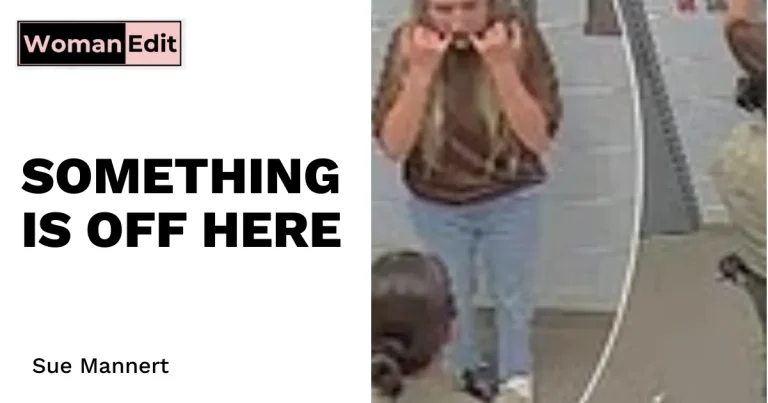
TLC ‘My Strange Addiction’ has delivered plenty of jaw-dropping moments, but the 2026 episode with Kaylyn, an 18-year-old from Oklahoma who eats grass, really stands out. I mean, when I first heard about someone grazing in their backyard, I honestly thought it was a prank.
But this reality TV gem proves that truth really can out-weird fiction, and TLC has a knack for finding the most bizarre stories.
The show doesn’t say outright that Kaylyn gets sick from her grass-eating habit, but she did admit to choking a few times when she started out. These days, she says she eats smaller pieces and drinks lots of water.
The real question is whether this strange diet has serious health consequences beyond the obvious choking hazard. There’s a lot going on here, from the science of digesting lawn trimmings to the hidden dangers that might be lurking in every blade.
I fell down a rabbit hole after seeing a clip of Kaylyn on my social feed. I wanted to know: Is this dangerous? Is it even real? And why does TLC keep finding people with such wild fixations?
Inside TLC’s ‘My Strange Addiction’: The Grass-Eating Girl

Kaylyn, 18, from Broken Arrow, Oklahoma, turned heads on TLC when she revealed her unique diet: grass. She tried everything from raw foraging to baking grass into cookies, though her journey’s had its share of risks.
Meet the Grass Gourmet: Who Is She and Why Is She Chewing Sod?
Kaylyn’s story aired when “My Strange Addiction” returned after a decade-long break in January 2026. She kept her grass-eating secret from most of her family, except her younger sister, who definitely doesn’t approve.
She stores her grass in a treasure box in the living room and a messenger bag. When people confront her about her habit, she doesn’t back down: “I’m not going to stop eating grass. People who don’t want me to eat it, too bad.”
Her defiance really captures the spirit of the TLC series, which focuses on people struggling with obsessive behaviors that can take over their lives.
The Art of Foraging: Grass, Ranch, and Wild Culinary Creations
Honestly, Kaylyn’s grass recipes are surprisingly creative for someone with such an odd craving. She pulls grass straight from the dirt, but that’s just her starting point.
Her menu includes:
- Frozen grass popsicles
- Grass mixed into trail mix
- Grass salads
- Grass-baked cookies
- Grass-topped burgers (with grass-fed beef for “double the grass”)
She’s found ways to work her obsession into all kinds of meals. Each recipe is her way of making grass seem like a normal part of eating, even if the rest of us are just baffled.
From Choking to Mastery: Evolving Her Leafy Routine
Kaylyn’s grass-eating journey has had its rough patches. When she first started, she admitted, “I was just shoving it in my mouth.”
The results? Not great. “I actually choked like three or four times,” she said on the show.
After those scares, she changed her approach. Now she eats smaller pieces and always has water nearby to keep things moving. It’s not exactly safe, but she’s definitely more careful than when she started.
This adjustment makes me wonder about the health risks of eating grass. Human bodies aren’t built for digesting it, and there’s always the risk of pesticides, bacteria, or even parasites from the soil.
What Happens When You Eat Grass? The Science and the Sick
Our digestive systems just can’t handle grass. People who try usually end up feeling sick, and there’s really no nutritional payoff for gnawing on your lawn.
Grass Isn’t Lettuce: Health Risks and Potential Dangers
If you’re thinking about turning your yard into a salad bar, think again. Grass and lettuce aren’t even in the same league. We can’t make cellulase, the enzyme needed to break down the cellulose in grass, so it just sits in our stomachs, heavy and undigested.
The biggest risk is choking, especially if you eat it straight from the ground. The texture makes it easy for clumps to get stuck in your throat. Plus, grass doesn’t have the nutrients our bodies need, like protein and essential vitamins.
If you kept eating grass, you’d probably get stomach pain, bloating, and nausea. The fibers can irritate your gut, and there’s always the chance of ingesting pesticides or whatever the neighbor’s dog left behind. Not exactly appetizing.
Can You Really Get Sick? Medical Insights on Grass Consumption
Yes, eating grass can make you sick, though how sick depends on how much you eat. Small amounts probably won’t land you in the ER, but they’re still not pleasant.
The fibrous texture upsets your digestive system. Eat enough, and you’ll probably end up vomiting as your body tries to get rid of it. That’s your stomach’s way of saying, “Nope, not today.”
Common symptoms include:
- Nausea and vomiting
- Stomach cramps
- Bloating
- Diarrhea
- Potential intestinal blockages if you eat a lot
Unlike cows, we don’t have multi-chambered stomachs to ferment and break down grass. We’re just not equipped for it, and our bodies protest loudly.
Pica and Unusual Eating: Why Some Crave the Lawn Buffet
Pica is a compulsive eating disorder where someone craves non-food items like grass, dirt, or chalk. It’s not about curiosity—it’s a persistent urge that sticks around even when it’s clearly a bad idea.
Usually, these behaviors hint at underlying issues. Sometimes it’s a nutritional deficiency, like low iron or zinc. Other times, it’s linked to mental health struggles like OCD or anxiety. For people like Kaylyn, the habit becomes almost impossible to shake, even when it causes problems.
Pica is tough to treat because the brain’s reward system gets involved, creating a loop that’s hard to break. Treatment usually means fixing any deficiencies, therapy for the compulsive part, and sometimes medication.
Raw Meat, Vabbing, and Other Outlandish Fixations
Season 7 of “My Strange Addiction” really goes all in, featuring people with some jaw-dropping habits. We’re talking eating pounds of raw meat or using bodily fluids as perfume—stuff that makes you pause and wonder what you’re watching.
The Raw Truth: Meet the Meat-Eating Cast Members
Honestly, when I heard about Wendy Marshall from Florida eating raw meat, I thought it had to be a joke. But no, this tattoo shop owner eats about two pounds of raw beef and pork every single day. That’s a lot of uncooked meat.
Wendy showed off her diet on Season 7’s premiere, and it led to some odd health issues—no surprise there. Raw meat is a playground for bacteria like E. coli and salmonella, which cooking would normally kill.
What really gets me is how casual some of these folks are about their habits. Wendy talks about eating raw meat the way most of us talk about our morning coffee. That disconnect between the extreme and the everyday is weirdly fascinating (and a little gross).
Vabbing, Toenails, and More: When Addiction Gets Wacky
Then there’s Cassy, who takes “natural” perfume to a new level with something called “vabbing.” In Episode 3, she applies a certain bodily fluid to herself up to 50 times a day, hoping it’ll help her find love. Can’t say I get the appeal.
That same episode introduces Socratis, who keeps over 100 snakes at home, even though his mom is terrified of them. That’s less an addiction and more a way to drive your parent up the wall, but hey, TLC loves drama.
The show has also featured people eating toenails and doing all sorts of other bizarre things. There’s no shortage of strange habits on display.
Are Some Addictions Real… or Really for Reality TV?
I have to wonder if some of these stories get dialed up for the cameras. Reality TV thrives on shock value, and “My Strange Addiction” is no exception. While some compulsive behaviors are very real, the way they’re shown sometimes feels a little too made-for-TV.
Take vabbing, for example—it blew up on social media, so it’s hard not to question whether Cassy truly believes in it or just wanted her 15 minutes of fame. The line between real struggle and entertainment gets fuzzy.
Still, eating raw meat is dangerous, and keeping 100 snakes is definitely a lifestyle choice. Some of these habits have real consequences, even if the show hypes them up. It’s tough as a viewer to know what’s genuine and what’s just good TV.
From Fame to Flameouts: Cast, Controversy, and Pop Culture
My Strange Addiction turned into TLC’s guilty pleasure jackpot, making unlikely celebrities and sparking debates about exploitation. The show turned odd compulsions into entertainment, creating viral moments that stuck with cast members long after the cameras stopped rolling.
Life After the Weirdness: Where Are They Now?
I’ve noticed some cast members turned their fifteen minutes into legitimate careers. Trisha Paytas took her tanning addiction episode and ran with it, building a YouTube channel with over 5 million subscribers.
She’s been open about her diagnoses—schizophrenia and Borderline Personality Disorder. In 2021, she married Moses Hacmon, and the next year they welcomed their daughter, Malibu Barbie.
Divya Anantharaman leaned into her taxidermy obsession and started Gotham Taxidermy, which has found real success in New York City. Lauren Powers kept up with bodybuilding until 2014 and now runs Powers Fitness, her own competition brand out in Brooklyn.
The outcomes weren’t always so rosy. Sheyla Hershey’s breast implant addiction led to a car accident that ruptured her implants. She needed emergency surgery, and reportedly, the ordeal triggered two suicide attempts in 2011.
Toby Sheldon, known for his Justin Bieber obsession, died from an accidental drug overdose in August 2015 at a motel in San Fernando Valley. It’s a tough reminder that not every story ends well.
| Cast Member | Addiction | Current Status |
|---|---|---|
| Trisha Paytas | Tanning | YouTuber, mother |
| Divya Anantharaman | Taxidermy | Business owner |
| Toby Sheldon | Bieber obsession | Deceased (2015) |
Mental Health or TV Spectacle? Understanding the Show’s Impact
I can’t ignore the elephant in the room: My Strange Addiction got a lot of heat for exploiting people with real mental health issues. The show ran from 2010 to 2015, spotlighting folks with odd compulsions—from eating weird stuff to obsessing over strange habits.
Critics said TLC basically turned psychiatric struggles into entertainment. Plenty of participants showed signs of things like OCD, body dysmorphia, and other conditions that probably needed actual treatment, not a TV audience.
Some cast members later admitted they played up or even faked their “addictions” just for the cameras. Producers apparently nudged people to act more dramatic, so the line between real and staged got pretty blurry.
When Internet Fame and Compulsion Collide
I’ve watched social media blow up the show’s reach far beyond TLC’s original broadcasts. Cast members turned into memes, and their wildest moments just kept popping up everywhere online.
This digital immortality? It meant participants couldn’t really leave their televised compulsions behind, even if they’d gotten better.
Trisha Paytas is a perfect example. She jumped from reality TV to internet celebrity, using her show appearance as a launchpad.
Her YouTube career took off with all that attention. Still, she’s often tangled up in controversies and scandals, which only seems to keep people talking.
The show aired its pilot on May 5, 2010. The full series kicked off December 29, 2010.
TLC later rolled out “My Strange Addiction: Still Addicted?” to check in on unforgettable participants. Honestly, it’s wild how much people still want to know what happened to them, even years later.