Newsletter Subscribe
Enter your email address below and subscribe to our newsletter

Enter your email address below and subscribe to our newsletter

Taylor Swift’s 2022 induction into the Songwriters Hall of Fame at age 32 set off a wave of debate about whether her achievements truly deserved the honor. Critics often claim her success leans too much on songs about past relationships rather than any real songwriting range.
But come on—this take oversimplifies both Taylor Swift’s catalog and what “great songwriting” even means. For decades, personal relationship stories have sat at the heart of music history and have fueled the artistry of legends like Bob Dylan and Joni Mitchell.
So, is writing about exes really a songwriting crime? Or is it about how an artist turns raw experience into music that millions feel in their bones?
Let’s dig into what led to Taylor Swift’s historic induction and see if the criticism stands up to any real scrutiny. There’s a bigger question here—what really makes songwriting worthy of recognition?
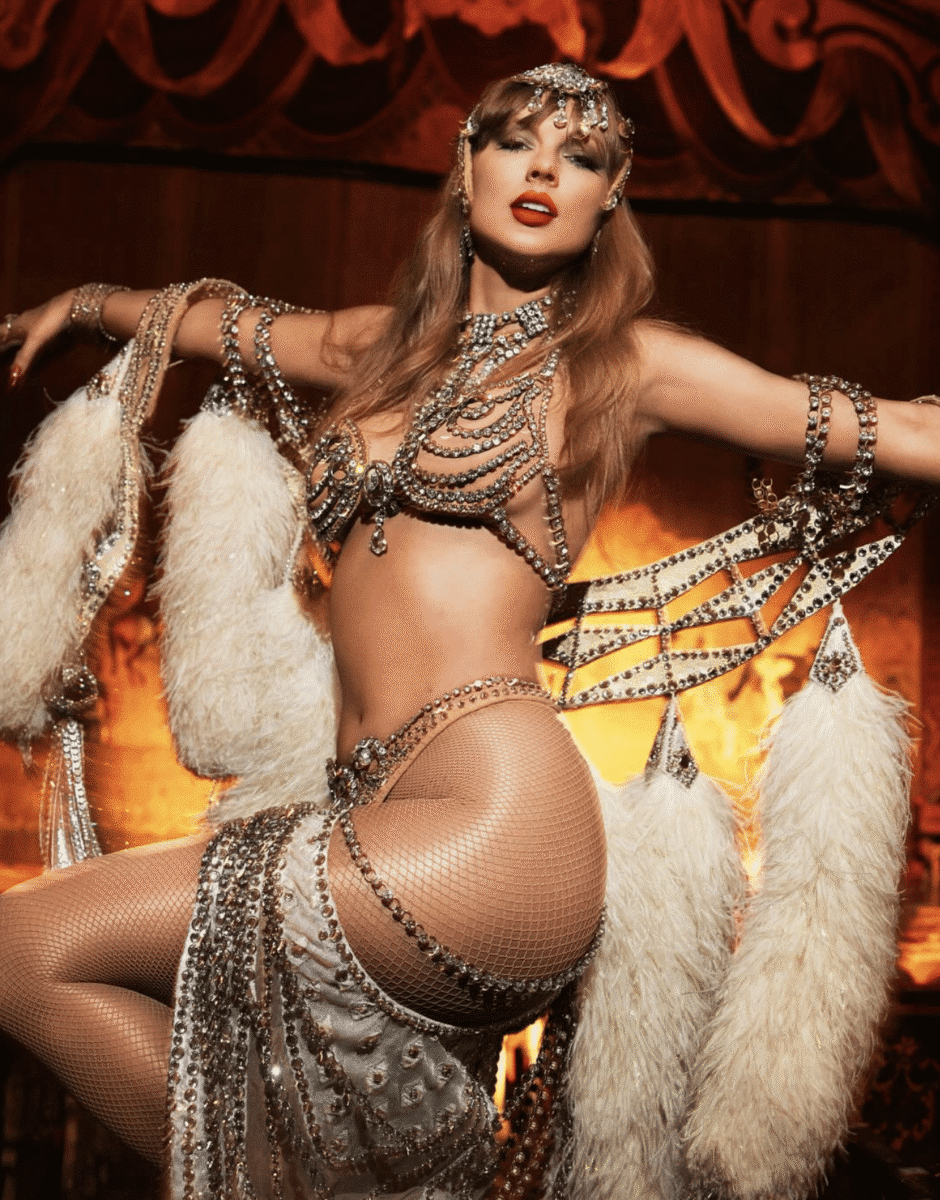
Taylor Swift’s 2026 induction into the Songwriters Hall of Fame at 36 makes her the youngest female inductee ever and second-youngest overall. This comes after a two-decade career that started with her 2006 debut, “Tim McGraw,” and has zigzagged through genres and songwriting styles.
The Songwriters Hall of Fame says your first commercially released song needs to be at least 20 years old before you can even be considered. Taylor Swift’s “Tim McGraw” from June 2006 just squeaked in for the 2026 class.
Nominees have to approve their nomination, pick five songs that represent them, and send in a photo before ballots go out to about 1,850 industry voters. These voters, all music pros, pick six inductees a year through electronic ballots.
Taylor Swift chose “All Too Well (10 Minute Version),” “Blank Space,” “Anti-Hero,” “Love Story,” and “The Last Great American Dynasty” as her five. Inductees have to show up at the ceremony to make it official; otherwise, they wait for another year.
Back in 2010, Taylor Swift snagged the Hal David Starlight Award for young songwriters with serious promise. Now, she’s the first artist to win that and later get inducted.
At 36, Taylor Swift joins the Hall as the second-youngest inductee ever—only Stevie Wonder beat her, getting in at 32. She also becomes the youngest woman in Hall of Fame history to earn this spot.
The 2026 class features Gene Simmons and Paul Stanley (KISS), Alanis Morissette, Kenny Loggins, Christopher “Tricky” Stewart, Terry Britten and Graham Lyle, plus Walter Afanasieff. The ceremony lands on June 11, 2026, in New York City. Linda Moran, president and CEO, even said Swift is “the youngest artist to ever appear on our ballot.”
Taylor Swift’s songwriting covers 12 studio albums and jumps from country to pop, alternative, and folk. She leans into detailed storytelling, autobiographical lyrics, and that confessional vibe critics love to talk about.
Breakup songs? Sure, they’re there, but she’s also written about fame, social issues, history, and even pure fiction. The five songs she picked for the Hall show this variety—”The Last Great American Dynasty” spins a tale about Rebekah Harkness, while “Blank Space” lampoons her own media image.
“All Too Well (10 Minute Version)” is basically a masterclass in narrative. “Anti-Hero” is all about self-reflection and grappling with personal flaws. Swift writes or co-writes every song, keeping a tight grip on her creative vision, which is rare in today’s pop world where everyone seems to have a committee behind them.
Getting inducted at 36 is pretty unusual—most Hall of Fame members are way older. Alanis Morissette, inducted the same year, is 51. Plenty of inductees don’t get the nod until their 50s, 60s, or even later.
The 20-year rule gives artists who start young a real edge. Swift dropped her first single at 16, so she hit eligibility early. Still, just being eligible doesn’t mean you’re in; the voters have to see real impact and influence.
Other big names like Ed Sheeran, Adele, and Bruno Mars haven’t even hit the 20-year mark yet. Among active pop stars, almost nobody else has both the years and the votes to get inducted this young.
The debate over breakup songs and “real” songwriting comes down to craft, how the public reacts, and the context around the music. So, let’s look at what actually goes into these songs, how people respond, and whether personal stories really matter when judging artistry.
Breakup songs aren’t just about venting—there’s serious technique behind them. Swift’s tracks often show a strong narrative structure, clever metaphors, and melodies that stick with you.
She packs her breakup songs with vivid stories and real imagery, moving through sadness, anger, nostalgia, and sometimes even hope—all in one track. That kind of emotional range doesn’t just happen; it takes planning and sharp lyrics.
The music itself backs up these emotions, with chord changes that mirror the lyrics, bridges that shift the story, and production touches that drive the theme home. It’s not just about who dumped whom—it’s about building a whole world in a song.
Back to December flips the usual breakup script. Instead of pointing fingers, the narrator admits fault and feels real regret. That kind of honesty isn’t easy to pull off in a pop song.
Swift uses seasonal images and specific moments to ground the feelings, and the bridge shakes up the melody while pushing the story forward. It’s almost cinematic.
We Are Never Getting Back Together goes the other way—it’s catchy, sassy, and uses repetition like a weapon. The chorus is an earworm, and the humor cuts through any sadness. That repetitive hook isn’t lazy writing; it’s a deliberate move to make the message stick.
Both songs tackle breakups, but they do it in totally different ways. That’s some serious versatility.
The media loves to focus on Swift’s personal life, often skipping over the actual songwriting craft. It’s easier to gossip about who inspired a song than to dig into melody or structure, right?
But fans connect with these breakup tracks because they tap into something everyone goes through. Psychologists say songs like these help people feel less alone after a split—David Sbarra from the University of Arizona even points out that they normalize heartbreak.
Sure, commercial success doesn’t always mean a song is well-written, but when someone consistently churns out hits that resonate, it’s hard to argue there’s no talent there. Critics might roll their eyes at relationship songs, but the craft and emotional punch are hard to deny.
Joe Alwyn was part of a six-year relationship that reportedly inspired material on “The Tortured Poets Department.”
Some tracks referencing this relationship dive deep into extended metaphors and really detailed emotional landscapes.
The album came together around the same time as the relationship’s end.
That timing gives the album a certain focus, or maybe even a sharp edge, depending on how you hear it.
Matty Healy pops up as the muse for several tracks that document a much briefer romance.
It’s wild how those songs manage to capture a whole story arc from such a short fling, squeezing all that feeling into just a few verses and choruses.
Sabrina Carpenter enters the picture as a newer figure in the ongoing relationship saga.
Her role in the actual songwriting seems pretty peripheral, at least for now.
All these tangled personal stories make you wonder—does knowing the gossip add to the music, or just muddy the waters when we’re trying to judge the songwriting chops?
Honestly, the way these names float around in public conversation shows how personal context can totally color how people hear and judge the songs.