Newsletter Subscribe
Enter your email address below and subscribe to our newsletter

Enter your email address below and subscribe to our newsletter
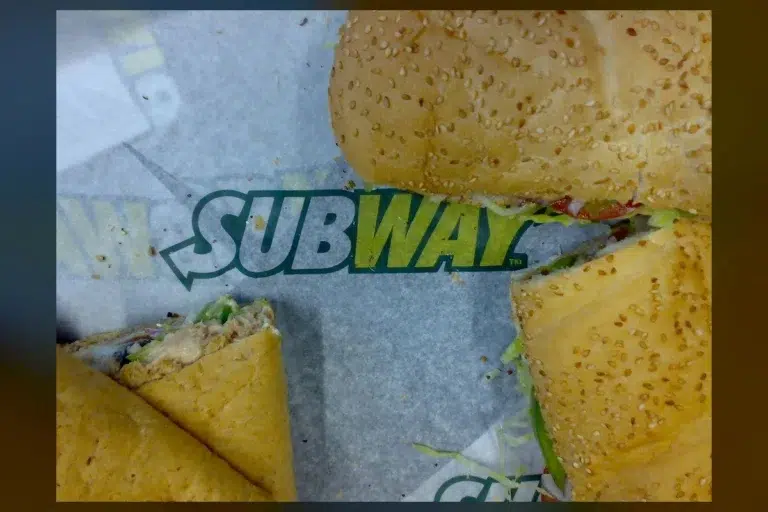
Subway's "new" Tuna Sub is a desperate PR stunt, not a genuine improvement. Don't fall for their corporate spin.
Subway claims it “heard customers loud and clear” about its Tuna Sub. Don’t be fooled. This “overhaul” smells fishier than their old recipe ever did. It’s a blatant PR stunt to mask years of corporate neglect, and frankly, it’s insulting to anyone who has ever paid good money for their steadily declining fare.
The fast-food giant recently announced a “new and improved” Tuna Sub, promising a different tuna blend and “fresher” ingredients. This comes after widespread complaints that the sandwich had “gone downhill,” a polite understatement for what many customers experienced as a culinary betrayal.

Subway’s Tuna Sub is getting a makeover. The company says it’s changing the tuna blend, tweaking the mayo-to-tuna ratio, and even promising “sustainably sourced ingredients.” This sounds nice on paper, doesn’t it? A sudden, virtuous pivot to quality and environmental consciousness.
But let’s get real. This isn’t about sudden enlightenment; it’s about damage control. For years, customers have slammed Subway, lamenting that the Tuna Sub quality had plummeted. Sales followed suit. Now, Subway acts surprised, as if the decline in quality and customer satisfaction was some unforeseen act of God, rather than a direct result of their own choices.
“We heard our customers loud and clear,” stated a Subway spokesperson. “The new Tuna Sub is a commitment to our commitment to quality and listening to the feedback that matters most.”
This quote is classic corporate speak – a carefully crafted message designed to sound humble while conveniently ignoring years of actively ignoring customer complaints. It’s an attempt to rewrite history, and frankly, we’re not buying it.
Why is Subway suddenly listening? Because they have to. Their market share is shrinking, foot traffic is down, and they’re losing ground to every competitor with a shred of integrity. Fast-food giants don’t change for fun; they change when their wallets bleed. It’s not a revelation; it’s a reaction to financial pain.
Remember Burger King’s Whopper overhaul? Same story. Customers complained for ages, then BK “listened.” It was pure damage control, a desperate attempt to staunch the bleeding. Reddit and X users called it a “desperate PR stunt,” seeing right through the thinly veiled corporate maneuvering. One user on r/fastfood summed it up perfectly: “They’re admitting they f***ed up after years of microwaved slop, but this is just lipstick on a turd.” This isn’t cynicism; it’s an accurate assessment, and it’s the same skepticism Subway faces now.
Subway has a history of problems that extend beyond mere taste. There was even a lawsuit about their tuna’s authenticity, claiming it wasn’t even tuna. While it was eventually dismissed, the questions lingered, casting a long shadow over their claims of quality. Now they want us to believe they genuinely care about quality? It’s a tough sell when their track record speaks volumes.
This saga shows the undeniable power of the people. Social media amplifies every complaint, every disappointment, forcing even the most monolithic corporations to react. Subway simply couldn’t ignore the deafening chorus of “it’s gone downhill” any longer. The noise was too loud, the financial impact too significant.
But is this a genuine improvement? Or just a new marketing slogan plastered over the same old problems? Will the new tuna actually taste better, or will it just be “new” packaging for the same old disappointment? This isn’t just about a sandwich; it’s about trust, a commodity Subway has squandered for years.
Fast food brands walk a tightrope. They need to innovate, but they also need to respect their classics. Messing with an iconic item is incredibly risky; just ask anyone who remembers Coca-Cola’s “New Coke” disaster. It alienated loyal fans and became a cautionary tale in brand management. Subway needs to deliver, not just talk. Not just marketing. Real, tangible quality. If this “new” Tuna Sub still falls flat, it will hurt them even more, perhaps irrevocably. Trust, once broken, is an arduous thing to rebuild.
Subway claims “fresher, more sustainably sourced ingredients.” This is a huge claim, a feel-good phrase designed to elicit nods of approval. But what does it actually mean? Who are these new suppliers? What certifications do they hold? We need specifics, not vague corporate platitudes.
“Sustainable seafood” is a powerful buzzword, often misused and abused by companies looking to greenwash their image. Is this a real, verifiable commitment to ethical sourcing and environmental stewardship? Or is it merely a PR tactic, a shiny new label to distract from past failings? Are they truly helping the environment, or just trying to look good while continuing business as usual?
These are the questions a good journalist asks, not just a spokesperson regurgitating a press release. Transparency is paramount, especially when a company has a documented history of quality issues and legal challenges regarding its core ingredients. We demand more than just marketing; we demand accountability.
I’m skeptical, and frankly, you should be too. Call me cynical, but I’ve seen this play before, countless times. Companies let quality slide, they cut corners, they prioritize profit over product. Then, when sales tank and their reputation is in tatters, they launch a “new and improved” campaign, hoping a fresh coat of paint will distract from the rot beneath. It’s a predictable, infuriating cycle.
This isn’t about a single sandwich. It’s about corporate accountability. It’s about respecting your customers enough to deliver on promises, not just make them when the bottom line is threatened. It’s about earning back the trust you so carelessly discarded.
Subway, you want us to believe you’ve changed? Then prove it. Don’t just tell us with carefully crafted press releases and empty slogans. Let the taste do the talking, consistently and undeniably. Until then, my money is staying firmly in my wallet, and I suspect many others will follow suit. #TruthEdit
Photo: Photo by Timo Heuer on Openverse (flickr) (https://www.flickr.com/photos/73804241@N00/3029830010)
Source: Google News