Newsletter Subscribe
Enter your email address below and subscribe to our newsletter

Enter your email address below and subscribe to our newsletter
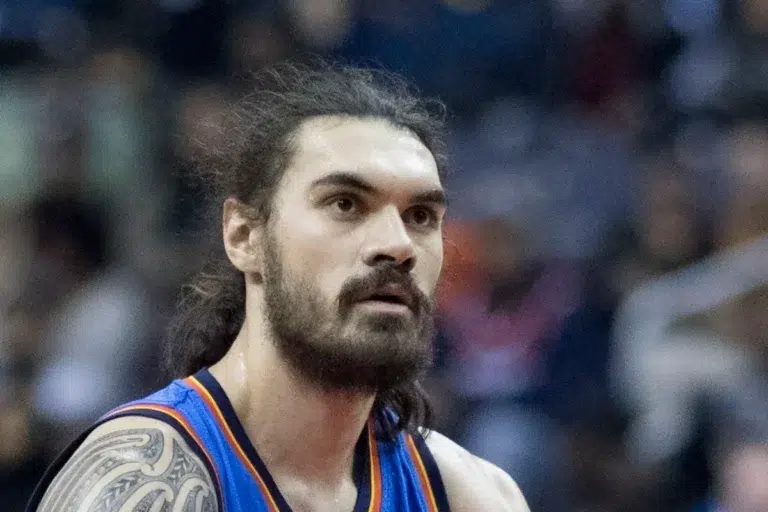
Steve McMichael’s CTE diagnosis reveals the NFL’s deadly neglect of its legends, exposing the brutal mental toll behind the game’s glory and profit.
Steve McMichael’s postmortem diagnosis of chronic traumatic encephalopathy (CTE) exposes a harsh truth: the NFL profits from players’ shattered minds while offering little real support. One year after his death at 67, the devastating impact of brain trauma in football demands urgent attention.
Steve McMichael, Bears legend and Super Bowl XX champion, died in March 2025. Boston University later confirmed he suffered from CTE, a progressive brain disease caused by repeated head trauma. Over 13 seasons, McMichael’s brain endured relentless hits, leaving him with memory loss, mood swings, and depression—symptoms ignored until after his death.

Dr. Ann McKee, Director of the Boston University CTE Center, says: “Steve McMichael’s diagnosis is a stark reminder of the invisible toll repeated head trauma takes on mental wellness.”
The NFL’s response feels performative. Players are mourned after death, when CTE is confirmed, but while alive and suffering, they’re often abandoned. Social media honors “Mongo” and his battle with ALS since 2021, yet few acknowledge the relentless mental health struggles he faced in silence.
Concussion protocols are a Band-Aid on a bullet wound. They ignore the emotional devastation after retirement—depression, anxiety, fractured relationships, isolation. The NFL’s “solutions” barely scratch the surface. This is neglect, not care.
CTE can only be diagnosed after death, leaving players like McMichael to suffer alone without early intervention. The NFL’s $1 billion concussion settlement is a start but falls far short of addressing lifelong emotional damage.
Chris Nowinski, former NFL player and mental health advocate, bluntly states: “CTE isn’t just a physical disease—it shatters lives mentally and emotionally.”
Mental health resources must be part of players’ lives—on the field and after retirement. Therapy, mindfulness training, and life coaching aren’t luxuries; they’re lifelines. The NFL has the money and influence to lead but chooses PR spin over real action.
Misty McMichael, Steve’s wife, said it plainly: “Too many NFL players develop ALS while alive and CTE after death.” Families watch loved ones vanish behind brain damage, enduring emotional chaos with little support. The NFL’s silence on mental health leaves families isolated and overwhelmed.
The NFL’s failure is clear—not just in protecting players’ bodies but their minds. Mental wellness is foundational for surviving and thriving after football.
Steve McMichael’s story is not unique. Men with brain injuries struggle to maintain marriages and family bonds. The NFL’s macho silence deepens this tragedy. If you love a former player, you know the emotional hell beneath the helmet. CTE is a devastating mental health crisis that destroys lives and relationships.
How many have hidden the emotional scars their husband or boyfriend carries because “he’s a tough guy”? How many have buried their own pain trying to hold together a fractured mind? It’s okay to speak your truth. Your voice can spark real change.
Share your stories below. Let’s break the silence on mental health in football marriages—and beyond.
Source: Google News