Newsletter Subscribe
Enter your email address below and subscribe to our newsletter

Enter your email address below and subscribe to our newsletter

Learn the trending reverse sear method for a perfect filet mignon at home. Get restaurant-quality steak without the hefty price tag.
Alright, ladies! Who here loves a fancy steakhouse meal? The kind where the steak just melts in your mouth? Yeah, me too! But let’s be real. Those prices can make your wallet weep. A good filet mignon at a restaurant? That’s a mortgage payment right there! But what if I told you there’s a secret? A kitchen hack that delivers that same restaurant-quality goodness right in your own home? And it won’t cost you an arm and a leg. Get ready to learn the magic of the reverse sear. Your tastebuds – and your bank account – will thank you.
The reverse sear method is a major shift. It’s all about cooking your steak low and slow first. Think of it as a gentle warm-up. Then, you hit it with intense heat at the end. This gives you that perfect, crusty exterior. No more gray, overcooked edges. Just a beautiful, even pink from edge to edge. This is how you get a perfect reverse sear filet mignon every single time. It’s genius, truly.
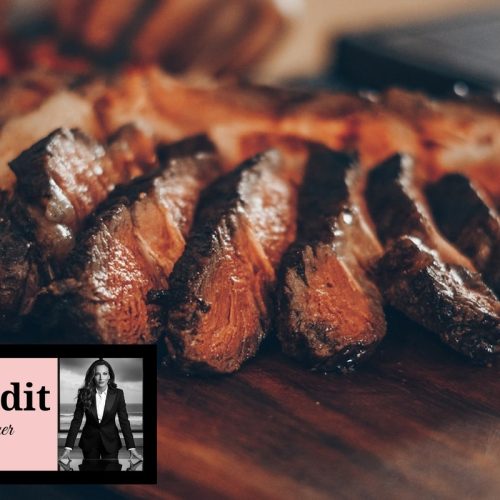
Forget everything you thought you knew about searing. The old way? Sear first, then bake. That often leads to a tough, dry steak. Not what we want for our precious filet mignon! The reverse sear method flips that script. We’re aiming for maximum tenderness. Plus, it’s super forgiving. Less stress in the kitchen is always a win in my book!
Filet mignon sounds fancy, right? It is! It’s a super tender cut. But you don’t need the most expensive, prime-grade steak. Look for good quality choice grade. Sometimes your local butcher has fantastic deals. Don’t be afraid to ask for their recommendations. They’re usually full of good, money-saving tips.
You don’t need a fancy kitchen to do this. Just a few basics. A good cast-iron skillet is a must-have. It holds heat like a champ. An oven-safe rack and baking sheet are also key. These let air circulate around your steak. And the most important tool? A reliable meat thermometer. This is non-negotiable, folks. It’s your secret weapon for perfect doneness. No more guessing games!
First things first, take your filet out of the fridge. Let it sit on the counter for at least 30 minutes. This brings it closer to room temperature. A cold steak cooks unevenly. Pat it super dry with paper towels. Moisture is the enemy of a good sear! Season generously with salt and pepper. Don’t be shy here! This builds flavor from the outside in.
Preheat your oven to a low temperature. We’re talking 225-275°F. Place your seasoned filet mignon on that wire rack. Make sure it’s on a baking sheet. Pop it in the oven. Now, here’s where your meat thermometer comes in. Insert it into the thickest part of the steak. You’re aiming for about 10-15 degrees below your desired final doneness. For medium-rare, pull it around 115-120°F. This could take 30-60 minutes, depending on thickness.
This gentle heat cooks the steak evenly. It breaks down tough fibers. This means a super tender interior. The magic happens here, girls! It’s the foundation for that melt-in-your-mouth texture. For more cooking tips that save you money, check out Daily News Edit. They often have great kitchen hacks!
Once your filet hits that target oven temperature, take it out. Get your cast-iron skillet screaming hot. Place it over high heat. Add a tablespoon of high smoke point oil. Think avocado or grapeseed oil. When you see a wisp of smoke, it’s ready! Carefully place your filet mignon in the hot skillet. Sear for 60-90 seconds per side. You want a deep, golden-brown crust. Don’t forget the edges! Use tongs to sear all sides.
In the last 30 seconds of searing, add a pat of butter. Throw in some fresh garlic cloves and a sprig of rosemary or thyme. Tilt the pan slightly. Use a spoon to baste that glorious melted butter over your steak. This adds incredible flavor. It takes your reverse sear filet mignon to the next level!
This is crucial! Transfer your seared filet mignon to a cutting board. Cover it loosely with foil. Let it rest for at least 5-10 minutes. This allows the juices to redistribute throughout the steak. Cutting it too soon means all those delicious juices will run out. And nobody wants a dry steak! Patience is a virtue here.
After resting, slice your filet against the grain. This makes it even more tender. Serve immediately with your favorite sides. A simple green salad or some roasted veggies are perfect. You just cooked a restaurant-quality meal at home. Pat yourself on the back, superstar!
Don’t overcrowd the pan. Cook one or two filets at a time. Too many steaks cool down the skillet. This means no good sear. Don’t eyeball the temperature. Use that thermometer! Pulling it too early or too late can ruin your perfect doneness. And remember to pat it dry. Seriously, it makes a huge difference. A little extra effort makes all the difference for a fantastic reverse sear filet mignon.
See? You don’t need to break the bank for an amazing meal. The reverse sear method for filet mignon is a culinary superpower. It’s easy, it’s effective, and it delivers incredible results. So go ahead, treat yourself and your loved ones. You’ve earned it. Now go make some magic in that kitchen!
Source: Editorial Use | Image: Editorial Use