Newsletter Subscribe
Enter your email address below and subscribe to our newsletter


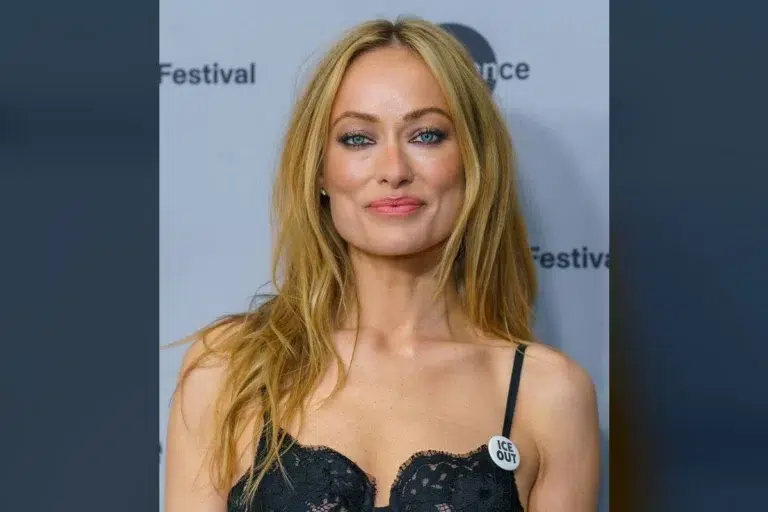
Olivia Wilde, 42, is fed up. She's calling out Hollywood's gendered obsession with her personal life over her acclaimed work, demanding change now.
Our favorite fearless director, Olivia Wilde, just hit 42 – a major milestone for anyone, but especially for a woman in Hollywood who’s spent more time under a microscope than a lab specimen. And trust us, her recent comments scream one thing: she is done with the same old headlines. Olivia Wilde is screaming it from the rooftops about what she sees as a very specific, very gendered problem: the media’s relentless obsession with her personal life, completely shoving her actual work as a director to the side.
She’s been on a full-blown media tour lately, not pushing a blockbuster, but pushing a point. From industry panels to candid social media posts, Olivia Wilde is spilling the tea. Her frustration? The endless cycle of boiling down her incredible directing and acting chops to footnotes under sensationalized tales of who she’s dated or, ugh, her co-parenting drama, a tale as old as time for female stars, but one Wilde is calling out with renewed vigor.

Let’s be real, this isn’t exactly breaking news for Olivia. Remember the Don’t Worry Darling press tour, a wild ride where the film’s artistic merit got swallowed by gossip, feuds, and the infamous “who-spit-on-whom” rumors? While that circus felt like an outlier, Wilde’s current mood tells us it left a mark, and she’s now actively flipping the bird to the old script instead of passively accepting the narrative.
During a virtual roundtable called “Women Behind the Lens: Reclaiming the Narrative,” Wilde nailed this feeling of “erasure” perfectly. She was quoted saying:
“It’s a peculiar kind of erasure when you pour years into developing a script, assembling a cast, and wrestling with the chaos of production, only for the conversation to inevitably swerve back to who you might have dated five years ago. It’s exhausting, and frankly, it feels totally gendered in a way we just don’t see with the fellas.”
You can almost feel her eye-roll through the screen, right? It’s a sentiment many women in power, especially in the entertainment industry, know all too well. How many times have we seen a brilliant female artist’s achievements overshadowed by a fleeting romance or a manufactured feud?
Word on the street is Wilde’s on a mission. She’s reportedly got a historical drama and a contemporary thriller cooking, and she wants these projects to stand on their own two feet, no shadow of past tabloid drama allowed.
“There’s a constant battle to reclaim the narrative,” a source close to her spilled, “to remind people that there’s a serious artist at work, not just a character in a never-ending celebrity serial.”
Even her publicist, usually tighter-lipped than a clam at high tide about specific “complaints,” doubled down on Wilde’s dedication to her craft and championing women in film. Can you blame her for wanting the focus to be on her directorial vision, not her dating history?
And honestly, she’s not wrong. How many times do we talk about Christopher Nolan’s exes when discussing his films, or Quentin Tarantino’s dating history instead of his latest blockbuster? It just doesn’t happen with the same intensity or prevalence.
Wilde’s not just airing grievances; she’s plugging into a bigger, louder conversation in Hollywood about deep-seated biases and the unfair microscope female celebs live under.
Let’s cut through the noise for a second. Olivia Wilde’s frustration is understandable, and her point about gendered scrutiny in Hollywood is absolutely valid. But let’s also acknowledge the elephant in the room: this isn’t just about a director lamenting “erasure.”
This is about a very savvy, very smart woman actively taking control of her own brand and narrative. After the PR rollercoaster of Don’t Worry Darling, which arguably overshadowed the film itself, Wilde is strategically repositioning herself.
She’s not just a director who happens to be a public figure; she’s a public figure who wants to be known primarily as a serious director. Calling out the system, especially when you’re a high-profile woman doing it, is a powerful move.
It’s less a complaint and more a calculated, self-serving re-branding effort to ensure her future projects are judged on her terms. It’s the ultimate power play: using the very media she criticizes to dictate how she wants to be perceived.
And honestly, who can blame her? In Hollywood, perception is everything, and if you don’t control your story, someone else will.
Photo: colleen sturtevant
Source: Google News