Newsletter Subscribe
Enter your email address below and subscribe to our newsletter

Enter your email address below and subscribe to our newsletter
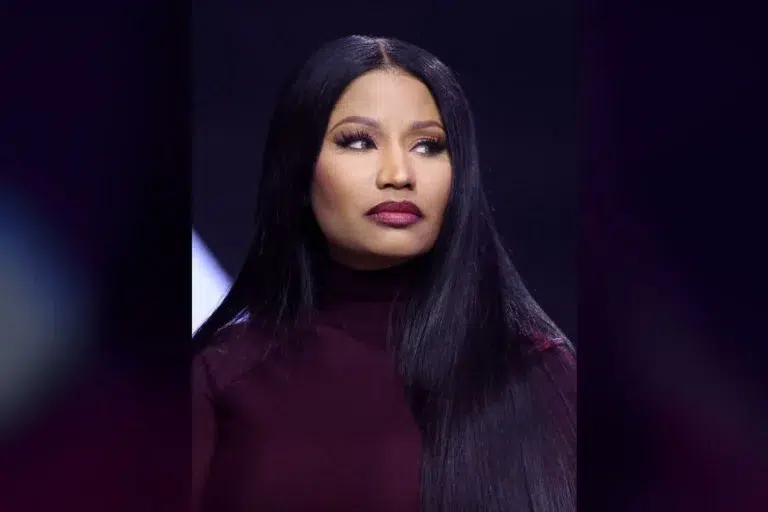
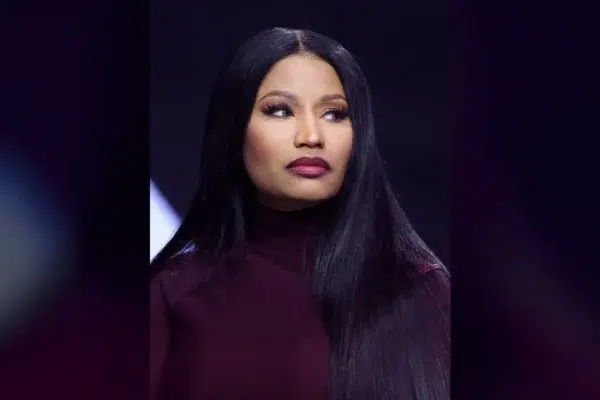
Nicki Minaj's home invasion reveals the absurd lengths celebrities go for security. But what are they really protecting, and from whom?
Oh, the glamour! Another day, another headline about a celebrity home invasion, and this time it’s none other than Nicki Minaj’s Beverly Hills pad. While the internet is buzzing with “thoughts and prayers” for the superstar, let’s peel back the gilded curtain for a moment, shall we? Because what this incident really exposes isn’t just the vulnerability of the rich and famous; it’s a stark, uncomfortable truth about the absurd lengths celebrities go to maintain their curated existence, and the platforms that profit from every single crumb of their lives.
In the early hours of April 1st – and no, this wasn’t some elaborate April Fool’s joke, much to the chagrin of her security team – two enterprising individuals decided to try their luck at Nicki Minaj’s mansion. They didn’t get in, thanks to alarms and a swift retreat, but the incident is already being framed as a terrifying brush with danger. And look, nobody wants their home invaded. But when your average celebrity is dropping upwards of millions annually on security, armed guards, and surveillance systems that would make the Pentagon blush, you have to wonder: what exactly are they protecting, and from whom?

Minaj’s reps have already issued a boilerplate statement, thanking law enforcement and praising her “vigilant security team.” Good for them. But let’s be real: this isn’t just about protecting diamond-encrusted trinkets. This is about the psychological prison of celebrity, where the constant fear of being targeted becomes as much a part of the daily routine as their green juice and pilates. And who feeds this beast? The very same social media platforms that allow fans to track their every move, the paparazzi who stake out their driveways, and the outlets (yes, even ours, sometimes) that breathlessly report on every detail of their extravagant lives. It’s a vicious, self-perpetuating cycle.
Remember the “Bling Ring”? Those enterprising teenagers who famously ransacked the homes of Paris Hilton, Lindsay Lohan, and Orlando Bloom? That was over a decade ago, and yet, here we are. The playbook hasn’t changed; only the stakes have gotten higher. Celebrities flaunt their wealth on Instagram, giving a virtual tour of their closets filled with designer goods, their sprawling estates, and their enviable lifestyles. Then they act surprised when someone actually wants a piece of that pie. It’s not just about “bad guys”; it’s about the siren call of extreme wealth being broadcast 24/7.
The Beverly Hills Police Department (BHPD) is “actively investigating,” of course. They’ll review footage, canvass the neighborhood, and probably come up empty-handed, like so many times before. No arrests have been made, and frankly, I’m not holding my breath. This incident isn’t going to be the catalyst for some grand Hollywood security overhaul. It’ll be a blip, another anecdote in the long, storied history of celebrity vulnerability. Minaj will likely just beef up her already fortress-like defenses, adding another layer of expense to her already astronomical overhead.
Here’s the thing: while platforms like Netflix and Disney+ are busy jacking up subscription prices and canceling beloved shows, citing “economic realities,” the reality for these stars remains one of unimaginable excess and paranoia. We’re being squeezed dry for content, while the talent lives in gilded cages, constantly looking over their shoulders. It’s a stark contrast that’s getting harder and harder to ignore.
According to a recent report by The Guardian, high-profile celebrity homes in Los Angeles experienced a 15% increase in attempted break-ins last year alone. This isn’t just a random occurrence; it’s a trend fueled by the very public nature of their lives. As one security expert told CNN, “When you put your entire life on social media, you’re essentially providing a blueprint for those looking to exploit it.”
Every time an incident like this happens, the chatter around “celebrity safety” ramps up. Fans express concern, media outlets get clicks, and security companies probably see a spike in inquiries. But does it truly change anything fundamental? Does it make celebrities re-evaluate their public personas or the constant broadcasting of their lives? Unlikely. Does it make the platforms that enable this constant surveillance and exposure take responsibility? Even less likely.
This incident is a stark reminder that the “price of fame” isn’t just emotional or financial; it’s a social contract that benefits a very select few, often at the psychological expense of the very people we claim to adore. So, while we send our well-wishes to Nicki Minaj, perhaps we should also ask ourselves: are we, the consumers of celebrity culture, part of the problem? Is our insatiable appetite for their lives inadvertently fueling this dangerous cycle? The answer, I fear, is a resounding yes. It’s time we all took a long, hard look in the mirror.
Source: Google News