Newsletter Subscribe
Enter your email address below and subscribe to our newsletter

Enter your email address below and subscribe to our newsletter

Natasha Lyonne’s cold silence during her Delta flight removal ignited fierce debate—sobriety struggle or Hollywood stunt? Explore the viral drama and its deeper impact.
Recently, Natasha Lyonne was seen in public for the first time following reports that she had been removed from a plane, an incident that quickly captured media attention. Photographed with a stone-faced expression, Lyonne’s appearance has sparked a flurry of speculation and discussion, primarily within entertainment news circles. Yet, beyond the immediate intrigue and vivid tabloid narratives, this episode exposes a deeper, more nuanced challenge: how the media and the public interpret and respond to moments of vulnerability involving public figures, particularly concerning mental wellness and self-care.
In the whirlwind of celebrity news, incidents like Lyonne’s removal from a flight are often stripped of context and rushed into sensational headlines. The framing tends to focus on drama rather than understanding, portraying celebrities as characters in a story rather than human beings navigating complex experiences. This approach can foster misunderstanding and stigma around what might be moments of personal difficulty — or even health-related crises — that deserve empathy and thoughtful consideration.
Notably, in the case of Natasha Lyonne, there has been a conspicuous absence of commentary that situates the event within broader conversations about mental health, mindfulness, or self-care—even though these topics are highly relevant when individuals display signs of distress or unusual behavior in public spaces. This gap highlights a missed opportunity, both for journalism and public discourse, to foster awareness and compassion by using high-profile incidents as entry points for education and dialogue.
When celebrities face public challenges, whether related to mental health or other personal struggles, their experiences have the potential to resonate widely. These moments can humanize issues that often remain stigmatized or misunderstood. For audiences, seeing a well-known figure navigate difficulties can spark reflection on their own wellness, encouraging self-care, mindfulness, and seeking support without shame.
However, this positive potential hinges on how these narratives are crafted and shared. Without thoughtful framing—one that respects privacy, avoids rumor, and centers dignity—media coverage risks reinforcing harmful stereotypes or trivializing the real struggles behind the headlines. Of equal concern is the tendency to conflate visibility with vulnerability, where public figures are expected to serve as spokespeople for broader issues, sometimes at the expense of their own healing and boundaries.
“The stories we tell about others—especially those in the public eye—reflect our values as a society. When we prioritize empathy and context over sensationalism, we open space for authentic conversations about mental wellness and self-care.” — Nora Thompson
The incident involving Natasha Lyonne, regardless of its specific circumstances, is a timely reminder for journalists, media outlets, and audiences alike to examine how we engage with stories of public distress. Rather than rushing to judgment or speculation, there is a pressing need for conversations that honor the complexity of human experience and the importance of wellness.
It is essential to underscore that no definitive information currently links Lyonne’s plane removal to mental health issues. Speculation without evidence can contribute to misunderstanding. Instead, the focus should be on advocating for media responsibility, reducing stigma, and encouraging open, informed dialogues around mental wellness and self-care—both in celebrity spheres and beyond.
Natasha Lyonne’s recent public appearance post-incident has illuminated broader challenges in how society processes and discusses moments of vulnerability among public figures. As consumers of media and as a society, we must move beyond sensationalism to foster compassionate, nuanced understanding—recognizing that behind every headline is a human being deserving of respect and empathy. In doing so, we can contribute to a culture that not only supports celebrities but also enhances collective awareness around mental wellness and self-care for all.
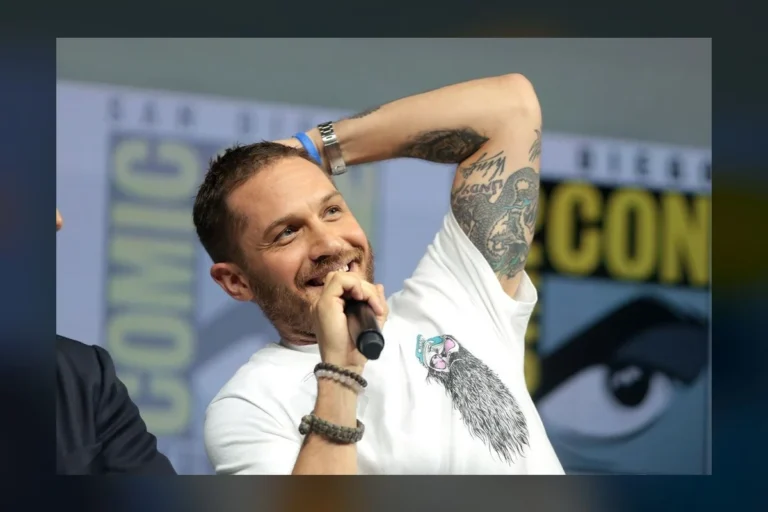
Photo: Gage Skidmore
Source: Google News