Newsletter Subscribe
Enter your email address below and subscribe to our newsletter


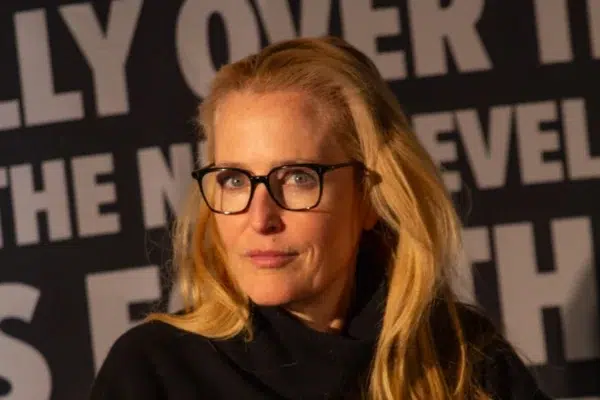
Maureen Callahan declared the Met Gala dead, exposing its "ugly Ozempic Z-listers" and an unforgivable insult to Princess Diana's memory.
Let’s be blunt: The Met Gala, once fashion’s pinnacle, is now a hollow shell. Veteran New York Post columnist Maureen Callahan didn’t just declare it dead; she exposed the rotting core of a spectacle that has devolved into a painful parade of “ugly Ozempic Z-listers.” And frankly, she’s not wrong.
Callahan’s brutal take, published on May 2, 2026, didn’t pull punches. She lambasted the annual event as an “unforgivable insult to Princess Diana’s memory,” a stinging indictment that resonated deeply. Her specific targeting of Lauren Sanchez, whom she called a “bimbo,” highlighted the profound disconnect between this year’s theme, “Ephemeral Elegance: Echoes of the Past,” and the chaotic reality on the red carpet.

The Met Gala is supposed to be fashion’s biggest night, a glamorous fundraiser that generates millions for the Metropolitan Museum of Art’s Costume Institute. With tickets costing an eye-watering $75,000 each, you’d expect a certain standard, a reverence for art and creativity. Instead, what we witnessed was a cheapening of the entire enterprise.
Callahan’s column didn’t just criticize bad outfits; it tapped into a simmering frustration with celebrity culture itself. People are exhausted by the relentless superficiality, the desperate, transparent grab for attention.
This isn’t art; it’s a social media circus designed for clicks, not contemplation. The internet, predictably, exploded after her piece, turning social media into a collective “hate-watch orgy.” The consensus was clear: the event was “deader than Diana’s ghost.”
Viewers didn’t just blast the “theme-murdering circus”; they saw an undeniable elite disconnect. This year’s “Ephemeral Elegance” theme, intended to evoke timeless beauty, felt particularly mocked by the reality on display.
Remember Kylie Jenner’s Off-White look, derided as a “crime against Virgil Abloh”? Or Kendall Jenner’s bleached brows that simply missed the mark?
This isn’t merely about questionable fashion choices; it’s about a profound lack of authenticity and a jarring disregard for the very spirit of the event. It reflects the relentless, often unhealthy, pressure on women in the public eye to chase fleeting trends over genuine style.
Callahan’s phrase, “Ozempic Z-listers,” struck a raw nerve for a reason. The prevalence of weight-loss drugs in Hollywood isn’t just an open secret; it’s a public display of an industry obsessed with an unattainable, often unhealthy, thinness.
This relentless pursuit of an idealized image is crushing, setting dangerous beauty standards that ripple far beyond the red carpet.
Women, especially, are under constant, unforgiving scrutiny, their bodies dissected and judged by an unforgiving public and an even more unforgiving industry. This isn’t just a Met Gala problem; it’s a stark reflection of a pervasive societal issue that demands our attention and our resistance.
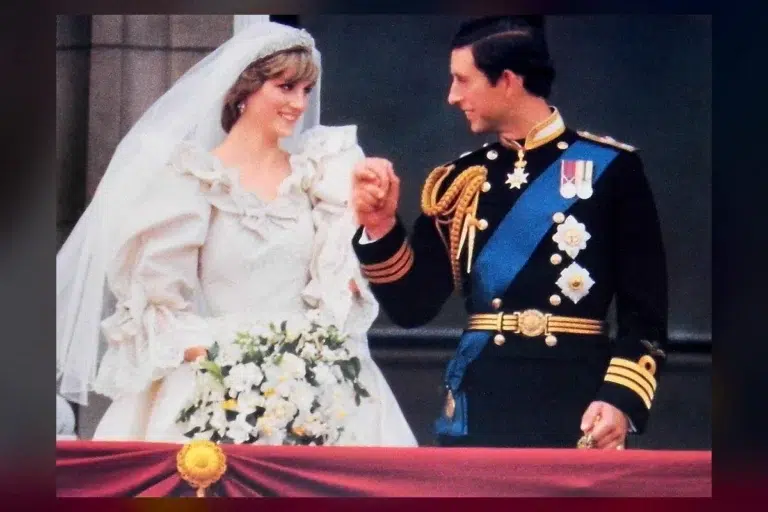
In stark contrast, consider Princess Diana. When she attended the Met Gala in 1996, she wore a simple, navy Dior slip dress. It was understated, powerful, and spoke volumes without needing to shout.
It wasn’t about shock value or chasing trends; it was about grace, quiet defiance, and an inherent elegance that transcended the moment.
Diana’s legacy isn’t just a benchmark; it’s a painful reminder of what we’ve lost. The current Gala prioritizes flash over substance, spectacle over genuine artistic expression. It’s become a cheap show, not a celebration of art.
“The Met Gala is a celebration of creativity, art, and the incredible talent of designers,” said Anna Wintour in 2025. “It’s also our biggest fundraiser.”
But is it still? Or has it morphed into something far less noble? Many now argue it’s merely a platform for personal branding, a glorified advertising opportunity rather than an artistic endeavor.
The public is seeing through the facade, recognizing that the event has lost its way, prioritizing ego and exposure over its stated purpose.
Callahan isn’t alone in her assessment. Even Megyn Kelly, another formidable voice, slammed the event, declaring it “Officially over. Dead, done.” She specifically criticized the “obscene nudity” and “vagina flashes” that have become disturbingly common, pushing the boundaries of taste and class far past any reasonable limit.
These critiques are not just noise; they are a vital wake-up call. They demand authenticity and accountability from public figures and the institutions that elevate them.
They force us to confront uncomfortable questions: What do we truly value in our culture? Is it genuine style, artistic integrity, and respectful homage? Or is it merely fleeting fame, manufactured outrage, and the desperate scramble for attention?
Callahan’s column is a necessary reality check, a refreshing dose of grounded truth in a world saturated with toxic positivity and superficial endorsements.
We shouldn’t just accept this decline. We deserve more than “ugly Ozempic Z-listers” parading in outfits that mock the theme. We deserve real elegance, genuine artistry, and a profound respect for legacies like Diana’s.
The Met Gala needs a radical overhaul, a deep introspection into its very purpose. It must rediscover its soul, its commitment to art, and its respect for true elegance.
Otherwise, its death won’t just be declared; it will be permanent, a casualty of its own excess and superficiality. The question isn’t if it’s dead, but if it has the courage to be reborn.
Source: Google News