Newsletter Subscribe
Enter your email address below and subscribe to our newsletter


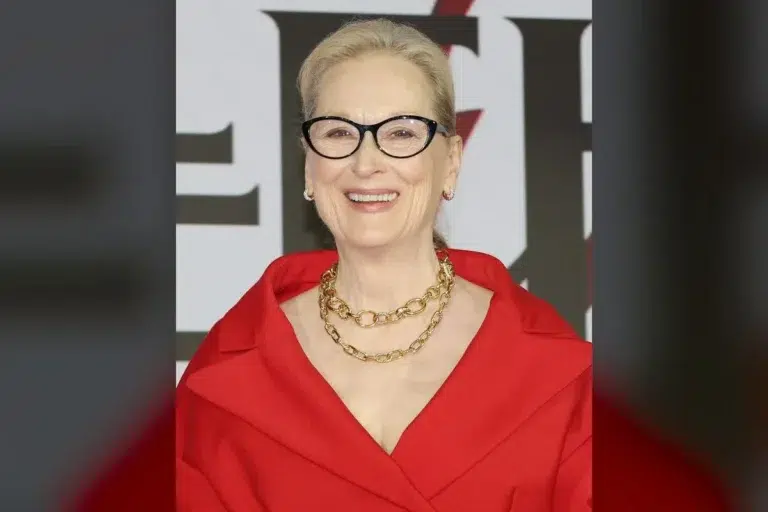
Meryl Streep's *Prada* pay battle wasn't just about money; it's a vital blueprint for knowing your worth and demanding fair pay in a shifting industry.
Let’s be real, there’s Miranda Priestly, and then there’s everyone else. *The Devil Wears Prada* didn’t just give us iconic fashion moments and quotable lines; it gave us Meryl Streep at her most terrifyingly brilliant. And now, the true story behind her getting paid what she was worth for that role is back in the spotlight, reminding us all that even legends have to fight for their slice of the pie.
Streep’s legendary salary negotiation is bubbling up again across entertainment feeds, getting a fresh look as Hollywood circles back to pay equity. Streep herself revealed in 2016 that the studio’s initial offer for Miranda Priestly was “slightly, if not insultingly, low.” Crucially, she was ready to walk.

Streep knew exactly what she brought to the table. She wasn’t just an actress; she was Meryl Streep, a bona fide cinematic titan. She understood the unspoken truth: “They needed me.”
It wasn’t just about filling a role; it was about elevating a good script into a cultural phenomenon. That kind of indispensable value doesn’t come cheap.
A recent Vulture piece, dated April 29, 2026, highlighted Streep’s *Prada* power play as a masterclass in leverage. The studio, 20th Century Fox (now under the Disney umbrella), quickly realized their miscalculation.
Faced with losing the one person who could truly embody Miranda, they doubled her initial offer. It paid off; the film was a critical and commercial smash, with Streep’s performance often cited as the backbone of its enduring appeal.
This isn’t just a fun anecdote about a star getting paid. This is a blueprint. Streep’s firm stance sent a clear message, not just to Fox, but to the entire industry.
It proved that when you have undeniable talent and the guts to stand your ground, you can shift the power dynamics. For years, Hollywood has been a boys’ club, notorious for its opaque salary structures and glaring pay gaps, especially for women. Streep’s move wasn’t a whisper; it was a roar.
“The offer was, to my mind, slightly, if not insultingly, low,” Streep stated, emphasizing her readiness to walk away. Her conviction that “They needed me” proved to be her ultimate bargaining chip.
Now, as discussions about transparency and equitable compensation continue to gain momentum, Streep’s negotiation resurfaces as a beacon. It’s a reminder that change often starts with individual acts of defiance against the status quo. It’s about demanding that your contribution be valued, not just tolerated.
Let’s strip away the Hollywood-friendly narrative for a second. While the industry loves to look back and pat itself on the back for “progress” in pay equity, Streep’s *Prada* negotiation wasn’t some grand gesture of studio enlightenment. It was pure, unadulterated market force.
Fox didn’t suddenly have an epiphany about gender parity. They realized they were about to lose the linchpin of a potentially massive hit. They paid Streep because they *had* to, not because they wanted to be “fair.”
The hypocrisy here is that the same studios that initially low-ball women are now celebrating stories like Streep’s as evidence of their evolving conscience. Don’t be fooled.
The real lesson for every actress, every woman in any industry, is this: Leverage is your currency. If they need you more than you need them, you hold the power.
Streep didn’t get paid because they suddenly saw the light; she got paid because she forced them into the dark. That’s the real story, and it’s a brutal, beautiful one.
WordPress Categories: Entertainment | Stars Gossip | Movies
Source: Google News