Newsletter Subscribe
Enter your email address below and subscribe to our newsletter

Enter your email address below and subscribe to our newsletter
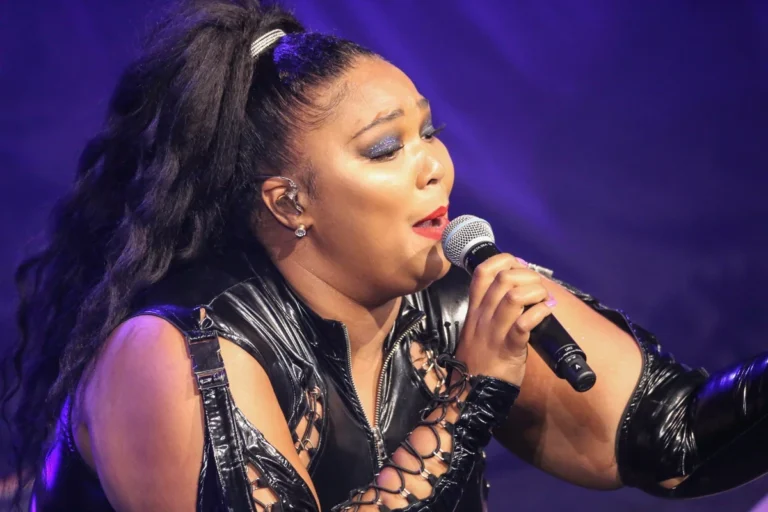
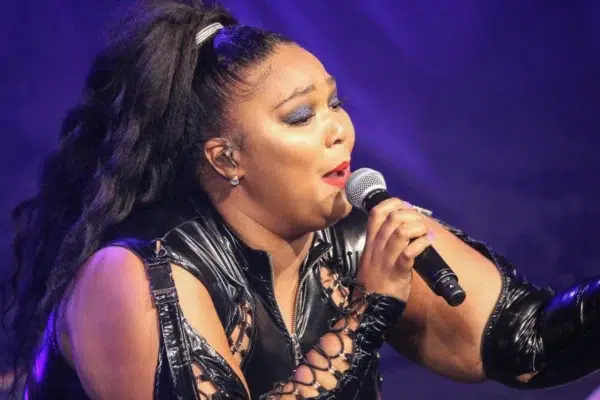
Lizzo's virginity reveal after her Grammy win? We're calling BS. This perfectly timed "confession" reeks of a PR strategy to distract from serious lawsuits.
Lizzo claims she waited until her Grammy win to lose her virginity. The timing is so impeccably convenient, it practically screams “PR strategy.” This isn’t just a casual confession; it’s a story so perfectly sculpted, so dramatically timed, that it makes you wonder if it came straight from a crisis management playbook.
The pop sensation dropped this bombshell on her podcast, revealing she lost her virginity at 31 years old, right after scooping up three Grammys in 2020. Her explanation? A promise she made to herself as a teen, fueled by a religious upbringing and a dash of insecurity. Sounds sweet, right? Almost too sweet, like a perfectly baked, slightly suspicious, celebrity-endorsed pie.
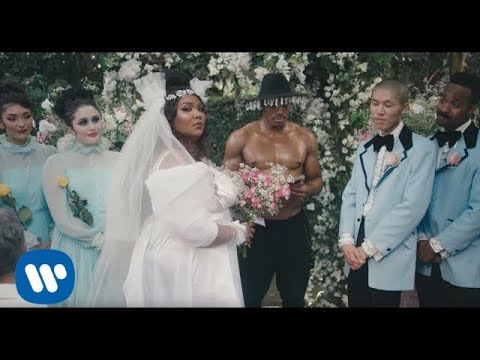
Naturally, the internet went wild. Media outlets, from The View to every gossip blog under the sun, devoured it. But the internet is far savvier than it used to be. We’ve all been burned by too many carefully curated celebrity narratives to just blindly swallow this one whole. It feels less like a heartfelt revelation and more like a calculated diversion.
This isn’t just a candid, “oops, I shared too much” moment. This is a meticulously crafted narrative designed to reframe public perception. Lizzo is currently embroiled in some pretty nasty legal battles. Former dancers have slapped her with lawsuits alleging sexual harassment and a truly hostile work environment. These aren’t minor squabbles; these are serious, career-threatening accusations that could shatter her carefully constructed “body positivity” brand.
This virginity reveal conveniently paints her as a pure, innocent, almost virginal figure. It’s a stark, almost jarring contrast to the accusations of a toxic workplace. It’s a move straight out of the Hollywood playbook: when you’re in hot water, create a sympathetic backstory, and watch public opinion slowly, subtly shift. Is it cynical? Absolutely. Is it effective? Often, yes.
Lizzo’s body has always been intrinsically linked to her brand, a powerful symbol of self-acceptance. But now, another narrative is swirling: the Ozempic rumors. Her recent, undeniable weight loss has set tongues wagging. She looks dramatically different, and fans are definitely noticing.
The virginity story feeds into a very specific, almost “new and improved” image. It’s about personal triumph, overcoming obstacles, and the virtue of delayed gratification. This narrative subtly supports a “new” Lizzo – perhaps a more refined, a more “acceptable” Lizzo in the eyes of an industry obsessed with conventional beauty. Is this just a happy coincidence? I’m calling a resounding “doubtful.”
Celebrities absolutely love to share their “vulnerable” moments, don’t they? They want us to believe they’re just like us, spilling their deepest secrets over a cup of coffee. But every confession is vetted, every story is polished, and every “candid” moment is carefully curated. Lizzo admitting she “lied about her virginity for years”? That’s just a sprinkle of “relatability” on top of a very strategic cake.
“Hollywood is a machine. Every story is a product,” an anonymous publicist told WomanEdit. “There are no accidents. Especially when a star is in hot water.”
This isn’t about being genuinely open. It’s about damage control. It’s about a strategic rebranding effort. Her Grammy win was a monumental peak in her career. Attaching a deeply personal, “innocent” milestone like losing her virginity to that moment is nothing short of genius. It links her success to her virtue, creating a powerful, albeit potentially manipulative, emotional connection with her audience. It’s a masterstroke in narrative control.
So, why do we, the discerning public, keep falling for these perfectly packaged stories? We crave authenticity from our idols. We desperately want to believe their struggles are real, and their triumphs are earned. But we need to be more critical, more cynical, and frankly, a lot smarter.
This entire episode highlights a deeper, more unsettling truth: celebrity culture is less about reality and more about perception. It’s a carefully constructed narrative. Lizzo’s virginity story isn’t just her personal tale; it’s a glaring reflection of how celebrities manage their image and attempt to sway public opinion, especially when their backs are firmly against the wall. This isn’t a brave, vulnerable confession. This is a strategic play, a calculated distraction. And it’s high time we recognize it for exactly what it is.
Photo: Photo by Andy Witchger on Openverse (wikimedia) (https://commons.wikimedia.org/w/index.php?curid=73390963)
Source: Google News