Newsletter Subscribe
Enter your email address below and subscribe to our newsletter

Enter your email address below and subscribe to our newsletter
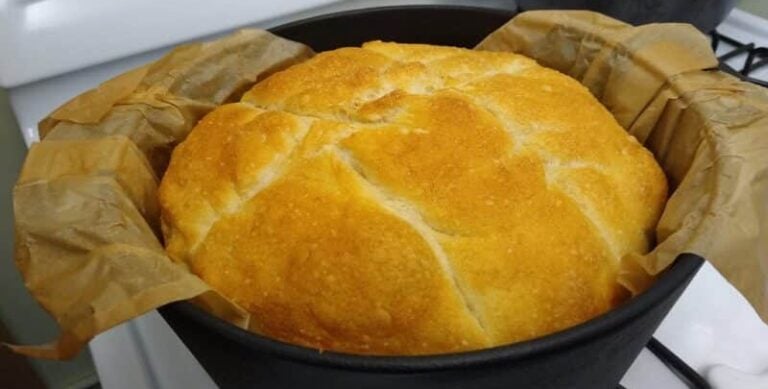
I always thought parchment paper was a no-brainer until I almost set my kitchen on fire. I used it at 500 degrees while broiling chicken, and, wow, that was a smoky disaster.
Turns out, this humble kitchen staple has real limits that most people just don’t think about. Like a lot of home cooks, I assumed parchment paper could handle any oven temperature, but that’s just not true.
Most parchment paper burns at temperatures above 425 to 450 degrees Fahrenheit, but people often use it for high-heat cooking without even glancing at the box. That one mistake leads to smoking ovens, burnt food, and sometimes even fires.
I’ve also mixed up wax paper with parchment, let curled sheets touch heating elements, and tossed out pieces that could’ve been reused.
Parchment paper seems easy, but I’ve found a few big mistakes can lead to kitchen fires or ruined food. Understanding temperature limits and picking the right product for each job really matters.
Most brands handle up to about 420 degrees Fahrenheit. I’ve seen plenty of bakers just assume all parchment paper is the same, but it’s not.
Some recipes call for heat up to 500 degrees. If you use standard parchment paper at those temps, you risk burning, smoke, or even chemical exposure. The paper can darken, get brittle, or catch fire.
I always read the packaging before baking. Higher-temp parchment paper has special coatings and clear markings on the box.
Even with the heat-resistant stuff, I trim any extra paper that might touch a heating element. I put my pan on the middle rack to keep the paper away from direct heat. I never let parchment paper touch the oven sides or coils, no matter what.
I used to think parchment, wax paper, and aluminum foil were basically the same. They’re really not.
Wax paper has a paraffin wax coating that melts in the oven just like a candle. If you bake with it, you’ll get a mess and maybe a fire. I only use wax paper for things like wrapping sandwiches or lining pans for no-bake treats.
Aluminum foil doesn’t have the non-stick perks of parchment’s silicone layer. Without extra grease, food just sticks to foil. Baking paper with silicone never lets me down for non-stick jobs.
I keep all three in my kitchen but use each for its own thing. Wax paper stays out of the oven, foil covers dishes or lines pans, and parchment is for baking.
I learned the hard way—don’t use parchment under the broiler. The direct flames or heating elements can ignite it in seconds.
Broiling blasts food with heat from above, and it’s way more intense than baking. Even high-temp parchment can’t handle open flames or broiler settings. I’ve switched to foil for broiling since it doesn’t burn up.
Grills are the same story. I never use parchment on a grill where flames can reach it. It’s just not worth the risk.
Some parchment paper has two sides, though not all do. I put the shinier or more textured side toward my food for the best non-stick results.
The silicone coating might be heavier on one side. Using the wrong side can make food stick, which defeats the whole point. I check before I put it in the pan. If both sides look the same, it’s probably coated evenly.
Using parchment paper right means knowing when to grab it, when to reuse it, and how to toss it. I’ve found that switching to unbleached parchment and trying out reusable options saves money and cuts down on kitchen waste.
I reach for parchment when I’m making cookies or roasting veggies because it never sticks and I don’t have to grease the pan. But honestly, I don’t always use it.
Silicone mats are awesome for big baking days since I can reuse them hundreds of times. They’re my go-to for cookies and sheet pan dinners. I skip them only if I need to toss the liner for something super messy.
Aluminum foil is handy when I want extra heat or I’m roasting at really high temps. I grease it so food doesn’t stick. I avoid it with acidic stuff like tomatoes because it can taste metallic.
For storing food, I use plastic wrap instead of parchment since it actually seals. Each liner has its job, and I match them to what I’m making instead of treating parchment as the answer for everything.
I reuse parchment when it’s still clean and not falling apart. If I baked cookies and there’s no heavy grease or burnt bits, I get another 2-3 uses out of it.
I double-check for these before reusing:
I wipe it off with a dry cloth and store it flat. I never reuse parchment that touched raw meat or fish, or anything sticky. For oily veggies, I usually toss it after one use since the grease ruins the coating.
I switched to unbleached parchment because it’s better for composting, but not all types break down easily. Most parchment has a silicone layer that doesn’t compost well.
When I shop for compostable parchment, I look for:
I tear up truly compostable parchment before tossing it in the compost bin. The brown color doesn’t guarantee it’s compostable, so I always check the label. If composting isn’t an option, I just throw it in the trash—recycling centers don’t take it.
I always cut parchment to fit my pan exactly. No extra bits hang over the edges—those can burn or, honestly, even catch fire if you’re not careful.
To keep the parchment from curling, I press it flat against the pan. Sometimes I’ll use a quick mist of water or a touch of oil to help it stick.
For roasting veggies, I stick with parchment up to about 420°F. Any hotter, and I’ll just grab a silicone mat or grease the pan instead.
When I’m making cookies, I lay the dough on cool parchment between batches. Hot parchment sometimes starts cooking the dough before it even hits the oven.
I never put parchment right on the oven floor or under the broiler. Direct flames and parchment? Not a good combo—it can catch fire fast.